
El libro Four Corners 2 - Unidad 5 Lección D
Aquí encontrarás el vocabulario de la Unidad 5 Lección D del libro de curso Four Corners 2, como "comunicar", "estresado", "diario", etc.
Repasar
Tarjetas de memoria
Ortografía
Cuestionario
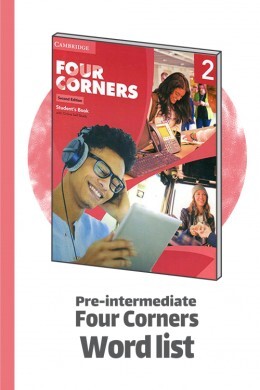
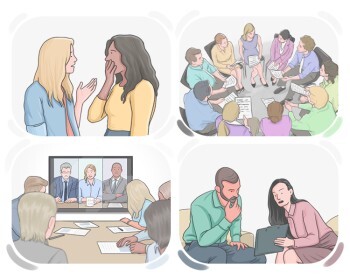
to exchange information, ideas, or feelings with another person or group

comunicarse
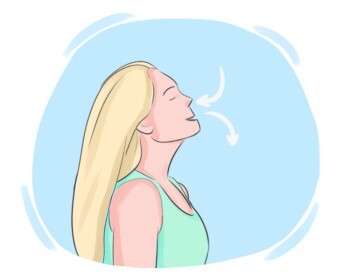
to take air into one's lungs and let it out again
respirar
El atleta respira rítmicamente durante los ejercicios de calentamiento.
not anything or any single thing
nada

the sound produced when someone is laughing
risa,carcajada
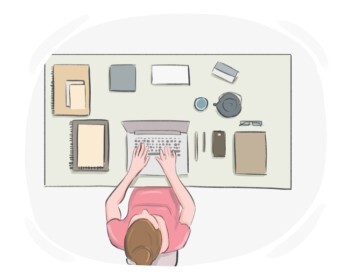
(of a person) able to plan and manage tasks, time, and activities efficiently
organizado
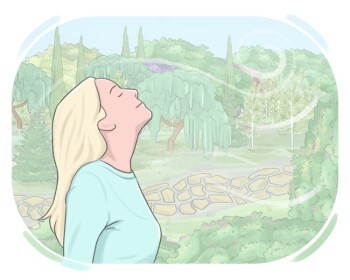
to experience a particular emotion
sentir
Ella se sintió avergonzada cuando se dio cuenta de su error.
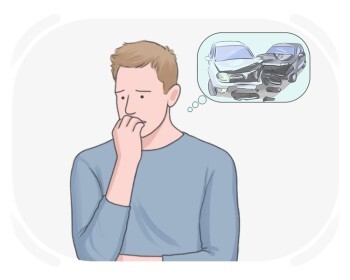
feeling so anxious that makes one unable to relax
estresado, agobiado
Los plazos constantes la hacían sentirse estresada y abrumada.
the physical and mental strength required for activity, work, etc.
energía
Necesito una taza de café para aumentar mi energía.
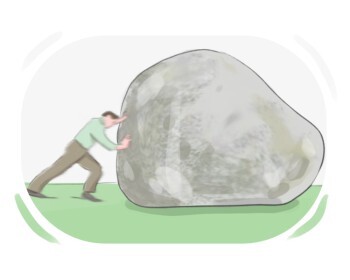
to use your hands, arms, body, etc. in order to make something or someone move forward or away from you
empujar
El profesor les dijo a los estudiantes que empujaran sus sillas debajo de la mesa.
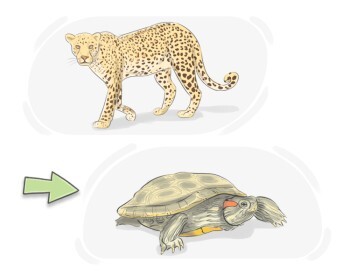
at a pace that is not fast
lentamente
Ella habló despacio para que todos pudieran entender.
used to express strong emotions, concerns, or intensity of feeling
profundamente
Se sintió profundamente avergonzado de sus acciones.
to do or experience the first part of something
empezar, comenzar
Comenzó explicando las reglas del juego al grupo.
something that you regularly do almost without thinking about it, particularly one that is hard to give up or stop doing
hábito
Su hábito de revisar constantemente su teléfono puede ser distractor.
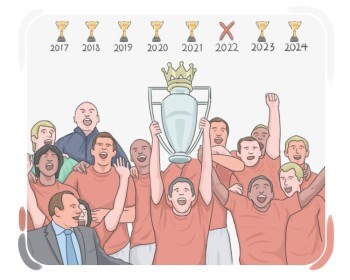
on numerous occasions or at frequent intervals
a menudo
to not move anymore
parar
El tren no para en esta ruta después de las 6 PM.
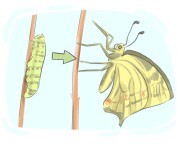
to begin to be something or develop into a particular state, condition, or role
convertirse en, volverse, hacerse, llegar a ser
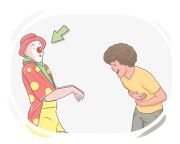
able to make people laugh
gracioso
Leí una tira cómica divertida en el periódico esta mañana.
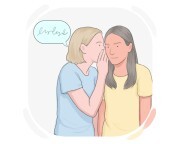
to use words and give someone information
contar
Ella le contó a su amiga sobre el nuevo restaurante en la ciudad.
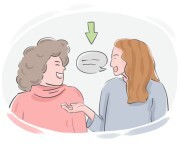
something a person says that is intended to make others laugh
broma
El chiste del comediante sobre la comida de avión tuvo al público desternillándose de risa.

behaving in a foolish, playful, or unserious way
tonto, bobo
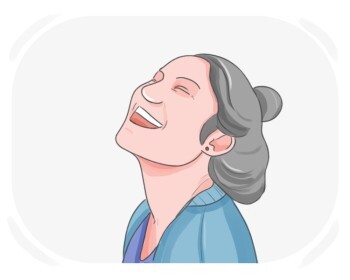
the act of laughing or the sounds produced when people laugh
risa

superior to everything else that is in the same category
el mejor
Sus habilidades notables y dedicación le valieron el premio al mejor empleado del mes.

a substance that treats injuries or illnesses
medicina, medicamento
El farmacéutico explicó cómo usar el medicamento correctamente.

a series of written or printed names or items, typically one below the other
lista
La biblioteca tenía una lista de libros recomendados para la lectura de verano.
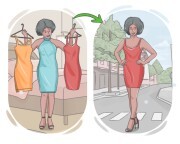
to make a choice or reach a conclusion after considering different possibilities
decidir
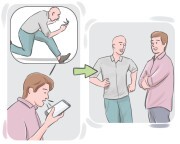

to not leave until a person or thing is ready or present or something happens
esperar
Si llegas temprano, es posible que tengas que esperar hasta que el restaurante abra.
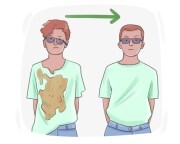
to make oneself neat or clean
asearse, arreglarse
Los activistas ambientales instan a los residentes a ayudar a limpiar los parques y espacios verdes locales.
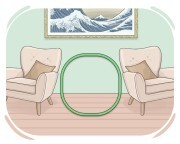
an area that is empty or unoccupied and therefore available for use
espacio
Reservamos un espacio en el estacionamiento para nuestros invitados que llegarán más tarde.
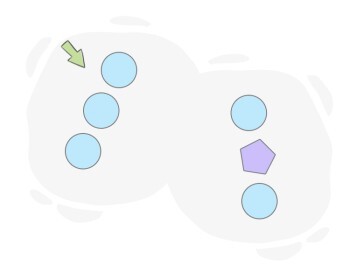
like another thing or person in every way
mismo
Ambos tienen el mismo gusto por la música.
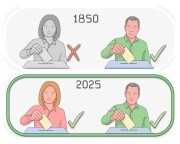
a thing that someone is legally, officially, or morally allowed to do or have
legítimo
Ella luchó por su derecho a recibir igual salario por igual trabajo.
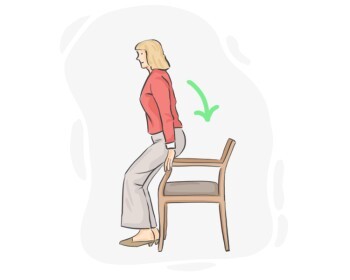
to move from a standing position to a sitting position
pasar de estar de pie a estar sentado, sentarse en una silla o superficie
El profesor les pidió a los estudiantes que se sentaran para que la lección pudiera comenzar.
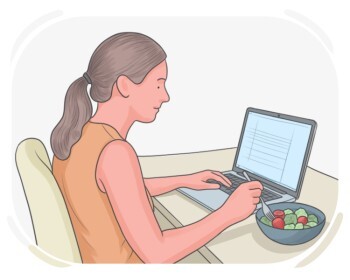
a rest from the work or activity we usually do
descanso, vacaciones
Mi momento favorito del día es el descanso de la tarde en el balcón.
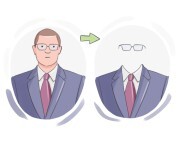
to become impossible to see, especially by moving away or being hidden from view
desaparecer
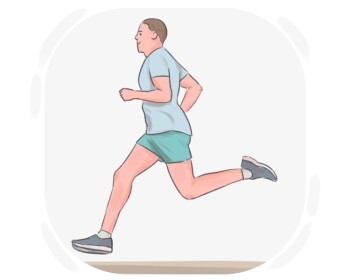
to move using our legs, faster than we usually walk, in a way that both feet are never on the ground at the same time
correr
Emocionada de vernos, vino corriendo por el parque.
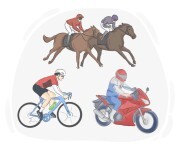
to sit on open-spaced vehicles like motorcycles or bicycles and be in control of their movements
montar,conducir
Los participantes del rally todoterreno se preparaban con entusiasmo para montar sus motos de cross por senderos desafiantes en el desierto.
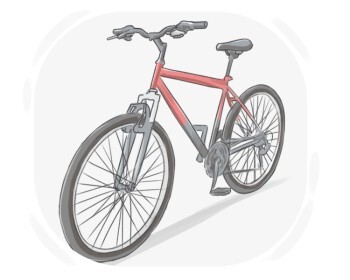
a vehicle with two wheels that we ride by pushing its pedals with our feet
bicicleta
Me encanta la sensación del viento en mi cabello cuando monto en mi bicicleta.
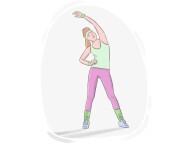
a type of exercise that is designed to make one's lungs and heart stronger, often performed with music
aeróbic, aeróbicos, aerobic
Después de unas semanas de aeróbicos regulares, notó un aumento en la resistencia y los niveles de energía.
to pull or raise something upward, often suddenly or with effort
subir,levantar
El atleta hizo una pausa para subirse los calcetines antes de correr de nuevo.
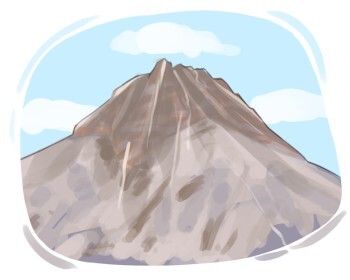
a very tall and large natural structure that looks like a huge hill with a pointed top that is often covered in snow
montaña
La montaña proporcionaba una barrera natural entre los dos valles.
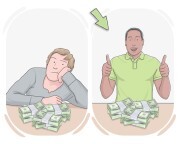
to be important or have a great effect on someone or something
importar
Los detalles de la negociación del contrato importarán durante el proceso final de toma de decisiones.
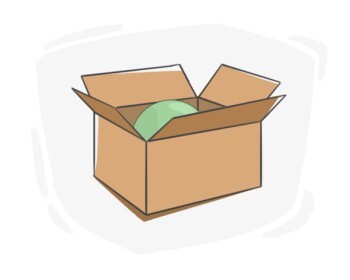
in or into a room, building, etc.
dentro
El calor dentro de la cabina fue un alivio bienvenido del frío.
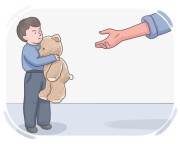
to have or continue to have something
tener
Asegúrate de tener un juego de llaves de repuesto por si te quedas encerrado.
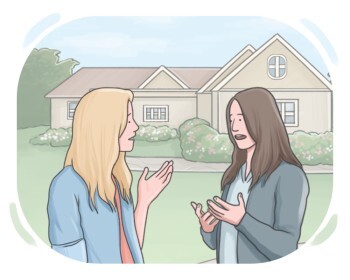
to tell someone about the feelings or ideas that we have
hablar
Hablemos de tus ideas sobre el próximo proyecto.
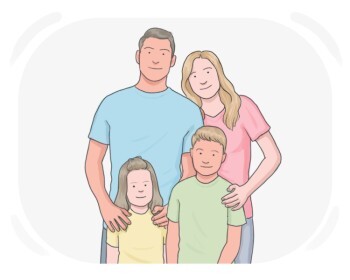
someone who is related to us by blood, marriage, or adoption, such as a parent, sibling, grandparent, or cousin
miembro de la familia,familiar
Llamó a un miembro de la familia para pedir consejo sobre su trabajo.
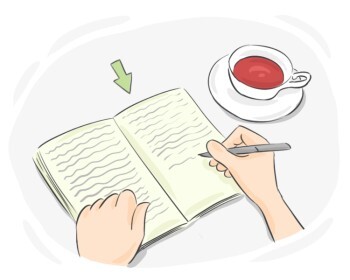
a written record of daily events, experiences, etc. that is kept for personal use
diario
Encontró un viejo diario de sus días de escuela.
for a period of time, usually suggesting that the duration of the time is temporary or not permanent
