
Habilidades de Palabras SAT 3 - Lección 28
Revisión
Tarjetas de memoria
Ortografía
Cuestionario
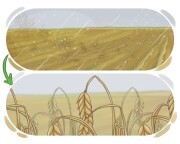
not expected, normally inconvenient or unpleasant

desafortunado
Un descubrimiento inesperado en los archivos llevó a una investigación seria.

uncommon or not customary
insólito
El profesor notó el entusiasmo inusual del estudiante por una asignatura en la que antes había mostrado poco interés.
a light, usually in the shape of a circle, around the body or head of a sacred person
aureola
Los artistas medievales usaban el aura para distinguir las figuras divinas.

a natural light display in the Earth's polar regions, caused by the collision of charged particles from the sun with atoms in the Earth's atmosphere
aurora
Muchos mitos y leyendas están inspirados por la naturaleza mística y etérea de las luces auroras.
radiant, soft, or tinged with the colors of early morning
auroral
El poema comenzó con una imagen auroral de una luz de despertar.
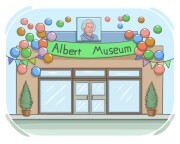
to give a name to something
denominar
Como historiador, buscó denominar los períodos históricos con nombres descriptivos y significativos.

a specific name for someone or something that belongs only to them
denominación
(mathematics) the bottom number of a fraction, which shows the total number of equal parts the whole is divided into
denominador
the act of claiming to own a set of qualities or beliefs which one does not really have
hipocresía
someone who pretends to have virtues or beliefs they do not practice, often contradicting their own stated values or engaging in deceptive behavior
hipócrita
Los críticos llamaron hipócrita al político por evitar las reformas fiscales que apoyaba.
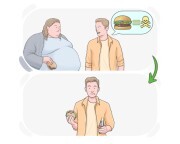
acting in a way that is different from what one claims to believe or value
hipócrita
Es hipócrita por su parte abogar por la protección del medio ambiente mientras conduce un SUV que consume mucha gasolina.
true in a way that leaves no room for denial or disagreement
incontrovertible, indiscutible, indisputable
El testimonio del testigo fue incontrovertible, lo que hizo el caso irrefutable.
resistant to reform despite repeated efforts to change behavior
incorregible
A pesar de años en detención juvenil, el niño permaneció incorregible.
unwilling or unable to believe something
incrédulo
El científico permaneció incrédulo a pesar de la evidencia convincente.

to interpret or understand something incorrectly
malinterpretar
A menudo malinterpretan el sarcasmo, tomándolo en serio en lugar de como una broma.
someone who behaves badly or immorally
bellaco
Los aldeanos se quejaron de los malhechores en su vecindario.
