
Cambridge IELTS 16 - Académico - Prueba 3 - Lectura - Pasaje 1 (1)
Aprende vocabulario de la primera parte del Cambridge IELTS 16 Academic, Test 3 Reading Passage 1, con palabras y expresiones útiles del texto.
Revisión
Tarjetas de memoria
formas
Ortografía
Cuestionario

the process or activity of planning and controlling the movement of a vehicle or vessel from one place to another

navegación
La navegación efectiva del dron se logró utilizando coordenadas GPS para trazar su ruta de vuelo.
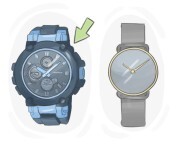
(of a system, device, or technique) intricately developed to a high level of complexity
sofisticado, avanzado
El sistema de seguridad del edificio es altamente sofisticado, con escáneres biométricos y códigos de acceso encriptados.
a judgment of or an opinion about the value or qualities of something
estimación

present in a person or passed down from family members, usually through genetic or hereditary means
heredado, innato
Los ojos azules eran un rasgo heredado en su familia.

a person who is a member of a ship's crew
marinero
Ella se inscribió para ser marinero en un crucero durante el verano.
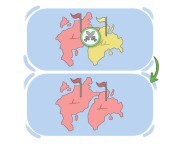
to gain control of a place or people using armed forces
conquistar
El objetivo del general era conquistar a las fuerzas opuestas y reclamar la victoria.
a creation that is a visual or tangible rendering of someone or something
representación

a large sheet of fabric, typically canvas, designed to catch the wind and propel a sailing vessel forward
vela, vela mayor
the ropes, chains, and other equipment used to support a ship's masts and sails
jarcia, aparejo
to uncover or expose by digging, especially to reveal buried artifacts, structures, or remains
excavar
Los mineros excavaron una veta de carbón, removiendo capas de tierra para extraer el valioso recurso.
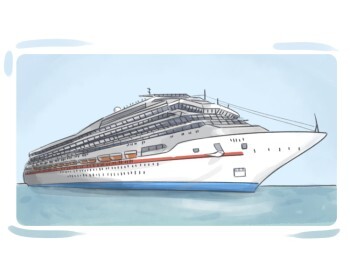
a ship or large boat used for traveling or carrying people or goods on water
buque, barco
the main body or frame of a ship or boat
casco, casco de barco
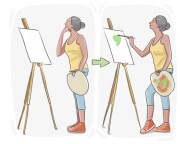
to begin a process or course of action
proceder, avanzar
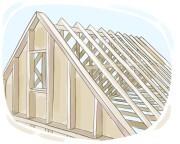
the structure of a building, piece of furniture, vehicle, etc. that supports and shapes it
armazón
a long, flat, and rectangular piece of wood or other materials, typically used in construction, flooring, or as a structural element in various applications
tablón, plancha
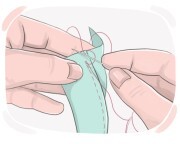
to join two or more pieces of fabric or other materials together, often by using a needle and thread
coser, unir
Los niños en la clase de arte estaban emocionados por aprender a coser botones en sus proyectos.
a secular designation used to represent dates in the Gregorian calendar before the traditional reference point of the birth of Jesus Christ
AEC

to cause to be firmly fastened or secured
fijar, asegurar
a woodworking joint where a rectangular hole (mortise) is cut into one piece of wood and a corresponding protrusion (tenon) is formed on another piece, allowing them to interlock and create a strong, durable connection
to join or fit together in a way that creates a secure and interconnected relationship
trabar, encajar
the lines of thread made by sewing cloth, leather, or other material together
costura, puntada
Admiró el costura detallada en la tela.
a period of history characterized by particular events, developments, or features
era, época
to substitute or replace one thing with another
cambiar, sustituir
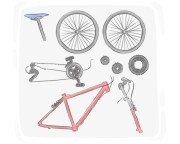
to be formed from particular parts or things
consistir en
La novela consiste en tres tramas principales que se entrelazan a lo largo de la narrativa.
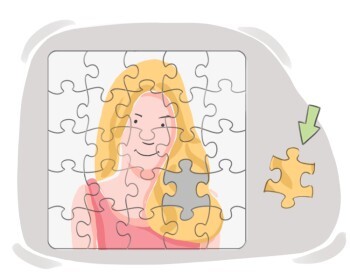
a part that combines with others to form a larger whole, often separable and functional within a system
componente
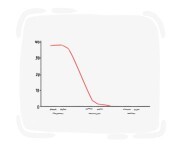
to a significantly large extent or by a considerable amount
radicalmente
El cronograma del proyecto se acortó drásticamente con mayor eficiencia.
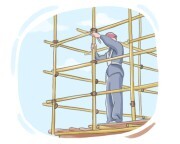
the process of building or creating something, such as structures, machines, or infrastructure
construcción
a vessel designed for transporting goods and merchandise as part of commercial trade
barco mercante, buque de carga
Los piratas a menudo buscaban barcos mercantes por sus valiosas cargas de bienes.

a ship that is made for war and has weapons
buque de guerra, barco de guerra
Las tripulaciones a bordo del buque de guerra (warship) entrenaron para varias situaciones de emergencia.

used with a date to refer to things happened or existed after the birth of Christ
EC
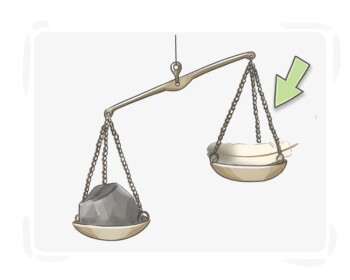
having little weight or mass, making it easy to carry or move
ligero
El material de construcción utilizado para la casa era ligero pero duradero.
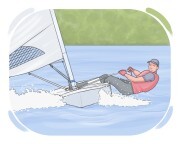
to travel on water using the power of wind or an engine
navegar
a heavy substance placed in a ship's hull or an airship's tanks to lower its center of gravity and counteract unwanted tilting, rolling, or drifting
lastre, zaborda
El ferry de pasajeros ajustó su agua de lastre antes de atracar para mantener una quilla nivelada.
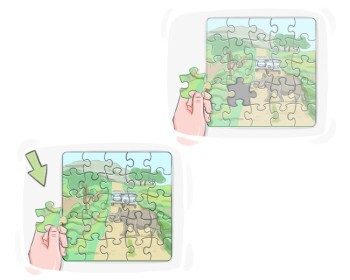
much more than the desirable or required amount
exceso
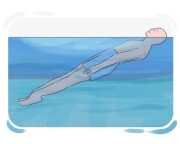
to go under below the surface of a particular substance such as water, sand, tar, mud, etc.
hundirse
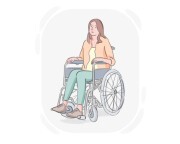
having a significant physical impairment or disability that affects one's ability to move or function normally
discapacitado, lisiado
El veterano llevaba el peso de su brazo lisiado con dignidad, mostrando fuerza en la adversidad.
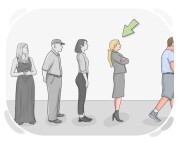
coming immediately after a person or thing in time, place, or rank
siguiente
relating to the armed forces that operate at seas or waters in general
naval, marítimo
La base naval sirve como puerto base para buques de guerra y submarinos.
a ram used to break down doors of fortified buildings
ariete, carnero de asalto
to forcefully pass through barriers or obstacles
atravesar, perforar
El coche atravesó la barricada, estrellándose contra la multitud.
a substantial piece of wood used upright as a post, support, or structural member
a tool used by rowers to propel and steer a boat through the water
remo, paleta
Los remeros sincronizaron los movimientos de su remo para mantener la velocidad.
a person who moves a boat forward using a long pole with a flat blade
remero, bogador
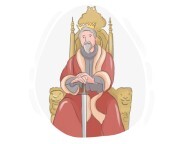
having superiority in power, influence, or importance
dominante
a person who participates in the sport of rowing, propelling a boat through water using oars
remero, rower
La dedicación del remero a las sesiones de entrenamiento matutinas dio sus frutos con un mejor rendimiento.
an organized arrangement of similar objects placed in a row or in multiple tiers
hilera, banco
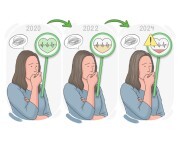
to put someone or something in a position in which they are vulnerable or are at risk
exponer, poner en riesgo
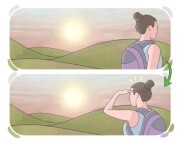
to observe and pay attention to something
notar
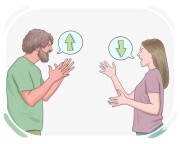
opposite or very different in nature, character, opinion, or effect
contrario, opuesto

the image or idea that is formed based on how one understands something
imagen
someone whose right of belonging to a particular state is legally recognized either because they are born there or are naturalized
ciudadano

to officially register oneself or someone else as a participant in a course, school, etc.
matricularse
Los nuevos empleados deben inscribirse en el programa de orientación de la empresa.
to take something or someone's position or place, particularly due to being more effective or up-to-date
sustituir
La constitución enmendada reemplazó oficialmente el documento fundacional original.
