
Cambridge IELTS 16 - Academic - Test 3 - Čtení - Úryvek 1 (1)
Naučte se slovní zásobu z první části Cambridge IELTS 16 Academic, Test 3 Reading Passage 1, s užitečnými slovy a výrazy z textu.
Revize
Kartičky
tvary
Pravopis
Kvíz


the process or activity of planning and controlling the movement of a vehicle or vessel from one place to another

navigace
Astronauti procházejí přísným výcvikem v nebeské navigaci, aby zajistili přesné umístění kosmické lodi během misí.
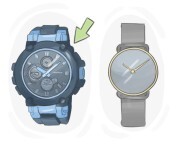
(of a system, device, or technique) intricately developed to a high level of complexity
sofistikovaný, pokročilý
Nový smartphone disponuje sofistikovanou technologií, včetně pokročilého rozpoznávání obličeje a schopností rozšířené reality.
a judgment of or an opinion about the value or qualities of something
odhad, hodnocení

present in a person or passed down from family members, usually through genetic or hereditary means
zděděný, vrozený
Zděděné vlastnosti mohou ovlivnit osobnost.

a person who is a member of a ship's crew
námořník, plavčík
Naučil se navigační dovednosti, aby se stal zkušeným námořníkem.
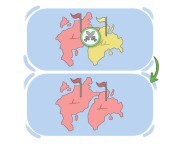
to gain control of a place or people using armed forces
dobýt, podmanit si
V průběhu dějin se mocné říše snažily dobýt nové země.
a creation that is a visual or tangible rendering of someone or something
reprezentace

a large sheet of fabric, typically canvas, designed to catch the wind and propel a sailing vessel forward
plachta, hlavní plachta
the ropes, chains, and other equipment used to support a ship's masts and sails
taktakeláž, lanoví
to uncover or expose by digging, especially to reveal buried artifacts, structures, or remains
vykopat, odkrýt
Paleontologové vykopali dinosauří fosilii, opatrně odstranili vrstvy sedimentu, aby odhalili kostru.
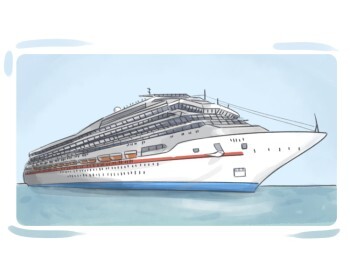
a ship or large boat used for traveling or carrying people or goods on water
plavidlo, loď
the main body or frame of a ship or boat
trup, trup lodi
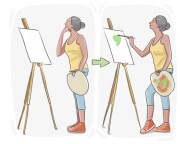
to begin a process or course of action
pokračovat, postupovat
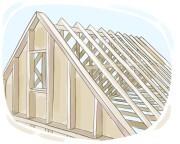
the structure of a building, piece of furniture, vehicle, etc. that supports and shapes it
rám, konstrukce
a long, flat, and rectangular piece of wood or other materials, typically used in construction, flooring, or as a structural element in various applications
prkno, fošna
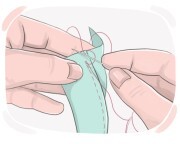
to join two or more pieces of fabric or other materials together, often by using a needle and thread
šít, spojit
Babička ráda šila záplaty na batohy svých vnoučat, aby je personalizovala.
a secular designation used to represent dates in the Gregorian calendar before the traditional reference point of the birth of Jesus Christ
před naším letopočtem, před společným letopočtem

to cause to be firmly fastened or secured
upevnit, zajistit
a woodworking joint where a rectangular hole (mortise) is cut into one piece of wood and a corresponding protrusion (tenon) is formed on another piece, allowing them to interlock and create a strong, durable connection
to join or fit together in a way that creates a secure and interconnected relationship
zamknout, spojit
the lines of thread made by sewing cloth, leather, or other material together
šití, steh
Boty měly silné švy, aby zůstaly pevné.
a period of history characterized by particular events, developments, or features
éra, období
to substitute or replace one thing with another
měnit, nahradit
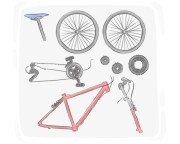
to be formed from particular parts or things
skládat se z, být tvořen z
Úspěch receptu do značné míry spočívá v jedinečné kombinaci použitých koření.
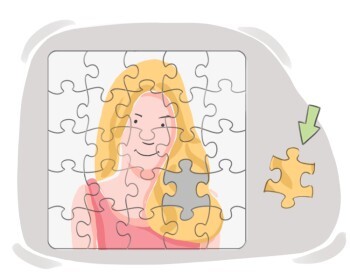
a part that combines with others to form a larger whole, often separable and functional within a system
součástka, prvek
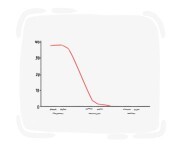
to a significantly large extent or by a considerable amount
dramaticky, výrazně
Její nálada se během několika minut dramaticky změnila.
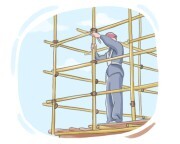
the process of building or creating something, such as structures, machines, or infrastructure
stavba
a vessel designed for transporting goods and merchandise as part of commercial trade
obchodní loď, nákladní loď
Posádka obchodní lodi se připravila na dlouhou cestu, aby dodala zásoby do vzdálených přístavů.

a ship that is made for war and has weapons
válečná loď, bitevní loď
Pokročilá technologie válečné lodi zvýšila její bojové schopnosti.

used with a date to refer to things happened or existed after the birth of Christ
našeho letopočtu, po Kristu
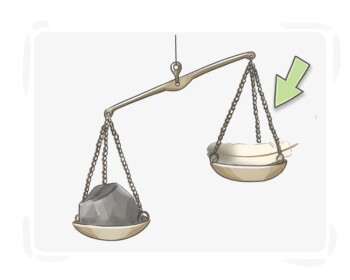
having little weight or mass, making it easy to carry or move
lehký, málo vážící
Nový model auta se chlubil lehkou konstrukcí, která zlepšovala spotřebu paliva.
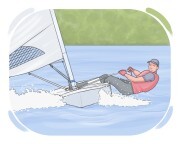
to travel on water using the power of wind or an engine
plout, plachtit
a heavy substance placed in a ship's hull or an airship's tanks to lower its center of gravity and counteract unwanted tilting, rolling, or drifting
balast, zátěž pro stabilitu
Námořní architekti vypočítali optimální rozložení balastu pro maximální stabilitu v rozbouřeném moři.
much more than the desirable or required amount
nadměrný, přebytečný
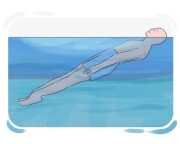
to go under below the surface of a particular substance such as water, sand, tar, mud, etc.
potopit, klesat
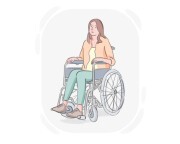
having a significant physical impairment or disability that affects one's ability to move or function normally
postižený, zmrzačený
Pracoviště zavedlo úpravy pro zaměstnance s omezenou mobilitou, čímž zajistilo rovné příležitosti.
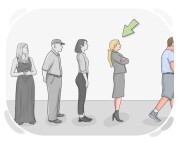
coming immediately after a person or thing in time, place, or rank
následující
relating to the armed forces that operate at seas or waters in general
námořní, vztahující se k moři
Námořní architekti navrhují lodě pro různé účely, od přepravy nákladu po vojenské operace.
a ram used to break down doors of fortified buildings
beranidlo, obléhací beran
to forcefully pass through barriers or obstacles
proniknout, probodnout
Raketa prorazila zemskou atmosféru a vstoupila do vesmíru.
a substantial piece of wood used upright as a post, support, or structural member
a tool used by rowers to propel and steer a boat through the water
veslo, pádlo
Vyryl své iniciály do dřevěné rukojeti svého vesla.
a person who moves a boat forward using a long pole with a flat blade
veslař, veslař

having superiority in power, influence, or importance
dominantní, převládající
a person who participates in the sport of rowing, propelling a boat through water using oars
veslař, rower
Pracovala na budování síly horní části těla a vytrvalosti jako konkurenční veslařka.
an organized arrangement of similar objects placed in a row or in multiple tiers
řada, banka
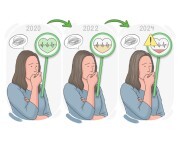
to put someone or something in a position in which they are vulnerable or are at risk
vystavit, ohrozit

to observe and pay attention to something
všimnout si, pozorovat
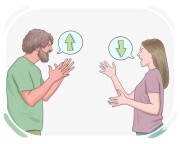
opposite or very different in nature, character, opinion, or effect
opačný, protikladný

the image or idea that is formed based on how one understands something
vnímání, pojetí
someone whose right of belonging to a particular state is legally recognized either because they are born there or are naturalized
občan, státní příslušník

to officially register oneself or someone else as a participant in a course, school, etc.
zapsat se, přihlásit se
Rozhodla se přihlásit do kurzu vaření.
to take something or someone's position or place, particularly due to being more effective or up-to-date
nahradit, vytlačit
Byla povýšena, aby nahradila svého předchůdce v manažerské roli.
