
Inglés de Cambridge: FCE (B2 First) - Impacto Humano, Recursos y Sostenibilidad
Aprende vocabulario del FCE sobre el impacto humano, los recursos y la sostenibilidad, incluyendo la conservación, la energía, los residuos, el consumo, la responsabilidad ambiental y el uso de recursos.
Revisión
Tarjetas de memoria
Ortografía
Cuestionario

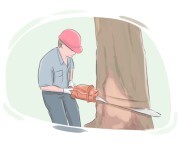
to cut through something at its base in order to make it fall

cortar algo por la base para hacerlo caer, derribar un árbol o estructura cortando la parte inferior
La ciudad tuvo que talarr varios árboles enfermos para prevenir la propagación de la infección a los más saludables.
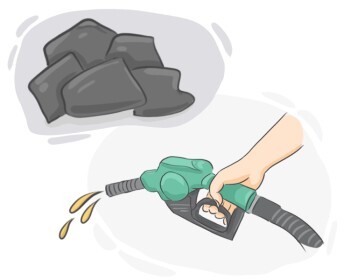
a fuel that is found in nature and obtained from the remains of plants and animals that died millions of years ago, such as coal and gas
combustible fósil
Los combustibles fósiles son una fuente importante de producción de energía global.
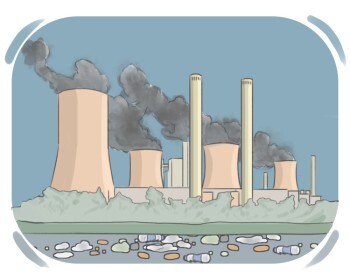
a change in water, air, etc. that makes it harmful or dangerous
contaminación, polución

unwanted material or things that are thrown away because they are no longer needed
basura, desechos

the increase in the average temperature of the Earth as a result of the greenhouse effect
calentamiento global
El calentamiento global está provocando que los glaciares se derritan a un ritmo alarmante.
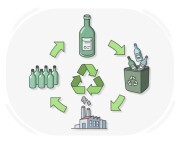
to make a waste product usable again
reciclar
El compostaje es un método de reciclaje de residuos orgánicos para crear suelo rico en nutrientes para la jardinería.

waste such as bottles, papers, etc. that people throw on a sidewalk, park, or other public place
basura, residuos
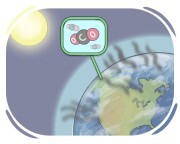
the amount of carbon dioxide that an organization or person releases into the atmosphere
impacto ecológico
Las industrias manufactureras suelen tener una huella de carbono alta.
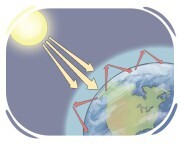
a global problem that is caused by the increase of harmful gases such as carbon dioxide which results in gradual warming of the earth
efecto invernadero
El efecto invernadero es un fenómeno natural vital para mantener la vida en la Tierra, pero el efecto invernadero intensificado causado por las actividades humanas ha acelerado el cambio climático y sus impactos asociados.
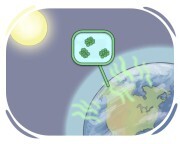
any type of gas, particularly carbon dioxide, that contributes to global warming by trapping heat
gas de efecto invernadero, gas invernadero
El uso de combustibles fósiles contribuye a la contaminación por gases de efecto invernadero.
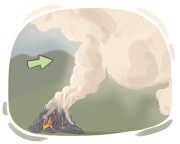
smoke or gas that has a sharp smell or is harmful if inhaled
gas
El chef inhaló accidentalmente humos de la comida quemada, lo que le hizo toser.
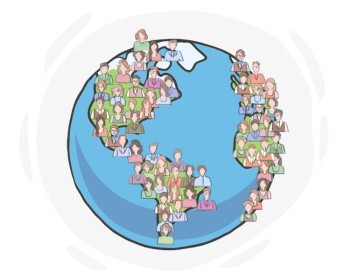
a situation where the number of people living in a particular area is more than the capacity of the environment to support them
sobrepoblación, superpoblación
Los expertos creen que la sobrepoblación causará graves escaseces de alimentos en el futuro.
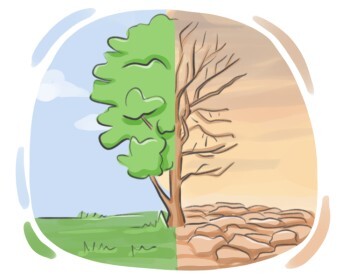
a permanent change in global or regional climate patterns, including temperature, wind, and rainfall
cambio climático
Las sequías e inundaciones se están volviendo más frecuentes debido al cambio climático.
a substance, gas, particle, or form of energy that has been released from a source
emisión, escape
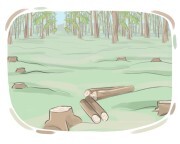
the extensive removal of forests, typically causing environmental damage
deforestación
La deforestación rápida ha destruido los hábitats de innumerables especies de vida silvestre.
a type of waste that contains harmful chemicals that can cause serious health and environmental problems if not properly handled and disposed of
residuos tóxicos, desechos tóxicos
Los trabajadores usaban equipo de protección mientras manipulaban residuos tóxicos en el sitio.
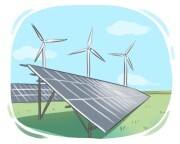
power that is obtained from the sun in the form of electrical energy
energía solar
El desierto es un lugar ideal para generar energía solar debido a su constante luz solar.
a piece of equipment, usually placed on a roof, that absorbs the energy of sun and uses it to produce electricity or heat
panel solar
El sistema de panel solar proporciona suficiente energía para toda la casa.
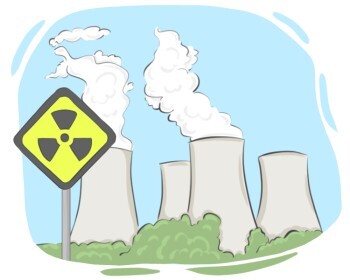
(physics) the energy released during a nuclear reaction, such as splitting atoms apart or joining them together
energía nuclear, energía atómica

produced or grown without artificial fertilizers, pesticides, or other synthetic chemicals
orgánico
energy that is produced using renewable, environmentally friendly sources, such as wind, solar, or hydroelectric power
energía verde
Muchos países están pasando de los combustibles fósiles a las fuentes de energía verde.
the process of replanting trees in an area where forest cover has been depleted or removed, aiming to restore or create a forest ecosystem
reforestación, repoblación forestal
Las organizaciones ambientales están activamente involucradas en la promoción de proyectos de reforestación para combatir el cambio climático.
