pattern

500 verbes anglais les plus courants - Top 226 - 250 Verbes

Ici, vous est fournie la partie 10 de la liste des verbes les plus courants en anglais tels que "résoudre", "chanter" et "posséder".

Réviser

Flashcards

formes

Orthographe

Quiz
Commencer à apprendre
Most Common Verbs in English Vocabulary
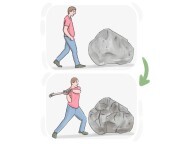
to solve
to solve
[verbe]

to find an answer or solution to a question or problem

résoudre

résoudre

Ex: She solved the problem by breaking it down into smaller steps. 
to destroy
to destroy
[verbe]

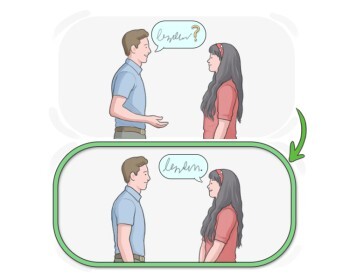
to cause damage to something in a way that it no longer exists, works, etc.

détruire
détruire

Ex: Wars and conflicts frequently destroy historical landmarks. 
to respond
to respond
[verbe]

to answer a question in spoken or written form

répondre

répondre

Ex: The customer service team often responds to inquiries within 24 hours. 
to discuss
to discuss
[verbe]

to talk about something with someone, often in a formal manner

discuter de

discuter de

Ex: I discussed my health concerns with the doctor. 
to attack
to attack
[verbe]

to act violently against someone or something to try to harm them

attaquer
attaquer

Ex: He was attacked while walking home late at night. 
to sing
to sing
[verbe]

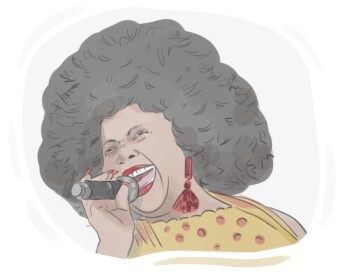
to use one's voice in order to produce musical sounds in the form of a tune or song

chanter
chanter

Ex: During the car ride, they sang to keep themselves entertained. 
to own
to own
[verbe]

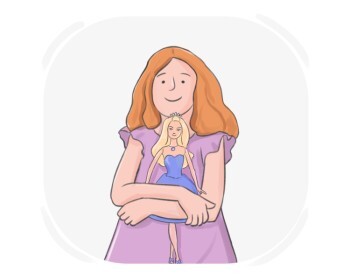
to have something as for ourselves

posséder

posséder

Ex: The family proudly owns a historic farmhouse. 
to replace
to replace
[verbe]

to fill the role or take the place of someone or something

remplacer

remplacer

Ex: Over the years, handwritten letters have been largely replaced by email and messaging. 
to beat
to beat
[verbe]

to strike someone repeatedly, usually causing physical harm or injury

battre, frapper
battre, frapper

Ex: The police officer was accused of beating the suspect during the arrest. 
to cost
to cost
[verbe]

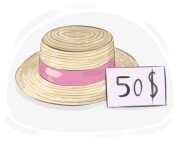
to require a particular amount of money

coûter

coûter

Ex: Regular maintenance for the car typically costs around $100 per month. 
to identify

to be able to say who or what someone or something is

identifier

identifier

Ex: The officer asked me to identify my belongings at the lost-and-found desk. 
to jump
to jump
[verbe]

to push yourself off the ground or away from something and up into the air by using your legs and feet

sauter, bondir

sauter, bondir

Ex: The child jumped up and down with excitement. 
to select
to select
[verbe]

to choose someone or something from a group of people or things

sélectionner, choisir
sélectionner, choisir

Ex: During the meeting, the committee regularly selects a representative to present their findings. 
to head
to head
[verbe]

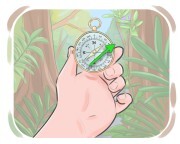
to move toward a particular direction

se diriger
se diriger

Ex: The birds typically head south for the winter. 
to smell
to smell
[verbe]

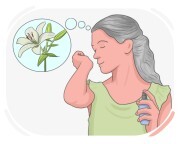
to release a particular scent

sentir, exhaler
sentir, exhaler

Ex: Coffee beans always smell enticing when freshly ground. 
to stick
to stick
[verbe]

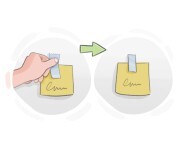
to fix an object to another, usually with glue or another similar substance

coller, fixer

coller, fixer

Ex: Please stick the label to the package securely. 
to argue
to argue
[verbe]

to speak to someone often angrily because one disagrees with them

se disputer, se quereller
se disputer, se quereller

Ex: I argued with the shopkeeper about the price of the shirt. 
to last
to last
[verbe]

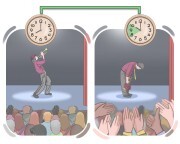
to maintain presence over a period

durer
durer

Ex: The meeting lasted for over two hours, much longer than we anticipated. 
to step
to step
[verbe]

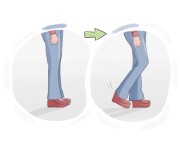
to move to a new position by raising one's foot and then putting it down in a different spot

faire (un pas)
faire (un pas)

Ex: The hiker often steps carefully over rocks and uneven terrain. 
to practice

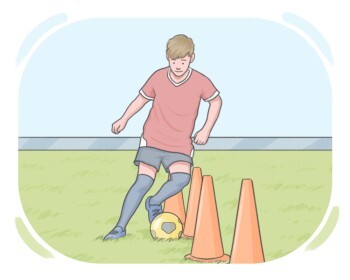
to do or play something many times to become good at it

s'entraîner, s'exercer
s'entraîner, s'exercer

Ex: Athletes diligently practice their routines to enhance performance. 
to fit
to fit
[verbe]

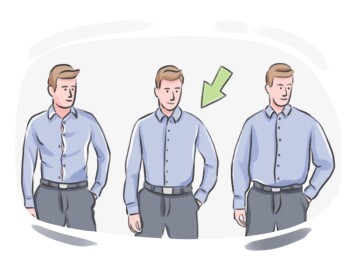
to be of the right size or shape for someone

aller à
aller à

Ex: I need to find a hat that fits comfortably on my head. 
to suffer
to suffer
[verbe]

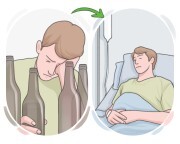
to experience and be affected by something bad or unpleasant

souffrir
souffrir

Ex: Last year, the region suffered a severe drought. 
to adjust
to adjust
[verbe]

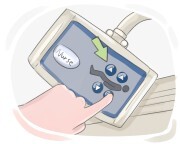
to change or regulate something slightly so that it works better or is more suitable or accurate

ajuster
ajuster

Ex: You can adjust the brightness of the screen in the settings. 
to cry
to cry
[verbe]

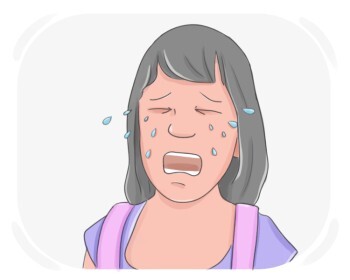
to have tears coming from your eyes as a result of a strong emotion such as sadness, pain, or sorrow

pleurer
pleurer

Ex: She couldn't help but cry when she received the heartbreaking news. 
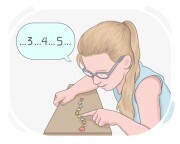
to count
to count
[verbe]

to determine the number of people or objects in a group

compter

compter

Ex: Volunteers help to count the ballots during elections. 
LanGeek
Télécharger l'application LanGeek