pattern

500 Verbos Más Comunes en Inglés - Verbos Comunes

Aquí tienes la parte 10 de la lista de los verbos más comunes en inglés como "solve", "sing" y "own".

Revisión

Tarjetas de memoria

formas

Ortografía

Cuestionario
Empezar a aprender
Most Common Verbs in English Vocabulary
to solve
to solve
[Verbo]

to find an answer or solution to a question or problem

resolver, solucionar

resolver, solucionar

Ex: The scientist conducted experiments to solve the scientific question. 
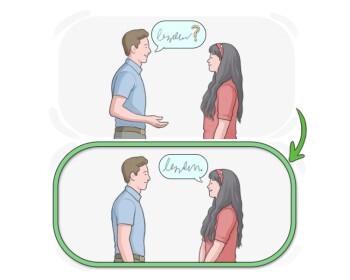
to destroy
to destroy
[Verbo]

to cause damage to something in a way that it no longer exists, works, etc.

destruir
destruir

Ex: Yesterday, the fire tragically destroyed the old library, consuming many valuable books. 
to respond
to respond
[Verbo]

to answer a question in spoken or written form

responder

responder

Ex: Yesterday, he quickly responded to the urgent message from his supervisor. 
to discuss
to discuss
[Verbo]

to talk about something with someone, often in a formal manner

discutir, hablar de

discutir, hablar de

Ex: Let's discuss our plans for the weekend. 
to attack
to attack
[Verbo]

to act violently against someone or something to try to harm them

atacar
atacar

Ex: She was badly attacked by the mob, causing her severe injuries. 
to sing
to sing
[Verbo]

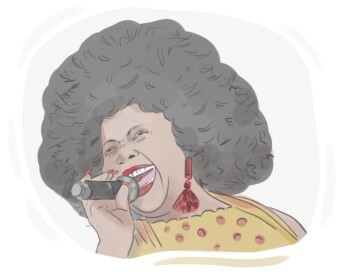
to use one's voice in order to produce musical sounds in the form of a tune or song

cantar

cantar

Ex: He sings a duet with his sister at the family gathering. 
to own
to own
[Verbo]

to have something as for ourselves

tener, poseer

tener, poseer

Ex: Last year, he successfully owned a vintage car that he had restored. 
to replace
to replace
[Verbo]

to fill the role or take the place of someone or something

reemplazar a

reemplazar a

Ex: The old customs of the community were eventually replaced by more modern practices. 
to beat
to beat
[Verbo]

to strike someone repeatedly, usually causing physical harm or injury

golpear, pegar

golpear, pegar

Ex: In the movie, the hero beats the villain in a dramatic fight scene. 
to cost
to cost
[Verbo]

to require a particular amount of money

costar

costar

Ex: Last year, the home renovation cost them a significant portion of their savings. 
to identify

to be able to say who or what someone or something is

identificar

identificar

Ex: The teacher identified the student's handwriting on the exam. 
to jump
to jump
[Verbo]

to push yourself off the ground or away from something and up into the air by using your legs and feet

saltar

saltar

Ex: The kangaroo can jump very far with its powerful hind legs. 
to select
to select
[Verbo]

to choose someone or something from a group of people or things

seleccionar
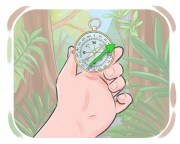
seleccionar

Ex: Last week, the jury selected a foreperson to lead the deliberations. 
to head
to head
[Verbo]

to move toward a particular direction

dirigirse

dirigirse

Ex: Yesterday, we headed towards the mountains for a weekend getaway. 
to smell
to smell
[Verbo]

to release a particular scent

oler, despedir
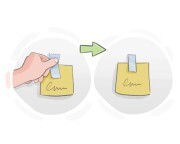
oler, despedir

Ex: Yesterday, the bakery smelled of warm, freshly baked bread. 
to stick
to stick
[Verbo]

to fix an object to another, usually with glue or another similar substance

pegar, adherir

pegar, adherir

Ex: He tried to stick the poster to the wall with tape. 
to argue
to argue
[Verbo]

to speak to someone often angrily because one disagrees with them

argumentar
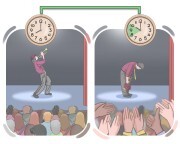
argumentar

Ex: I don't want to argue with my mom over such a small issue. 
to last
to last
[Verbo]

to maintain presence over a period

durar
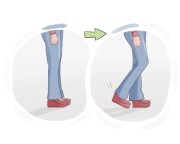
durar

Ex: The concert lasted until midnight, filling the night with music. 
to step
to step
[Verbo]

to move to a new position by raising one's foot and then putting it down in a different spot

dar un paso
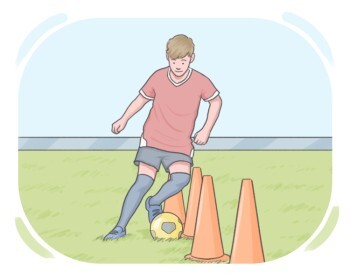
dar un paso

Ex: Yesterday, he stepped forward to accept the award for his achievements. 
to practice

to do or play something many times to become good at it

practicar
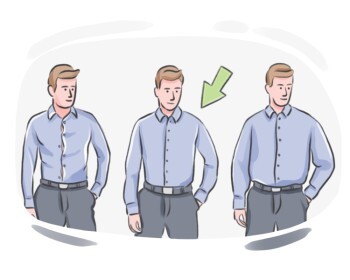
practicar

Ex: In preparation for the upcoming exam, students are advised to practice solving a variety of questions and problems. 
to fit
to fit
[Verbo]

to be of the right size or shape for someone

quedar
quedar

Ex: The costume didn't fit properly, so they had to make alterations before the performance. 
to suffer
to suffer
[Verbo]

to experience and be affected by something bad or unpleasant

sufrir
sufrir

Ex: The company suffered financial losses during the economic downturn. 
to adjust
to adjust
[Verbo]

to change or regulate something slightly so that it works better or is more suitable or accurate

ajustar

ajustar

Ex: The mechanic adjusted the brakes to improve their performance. 
to cry
to cry
[Verbo]

to have tears coming from your eyes as a result of a strong emotion such as sadness, pain, or sorrow

llorar
llorar

Ex: The little girl cried uncontrollably after losing her favorite toy. 
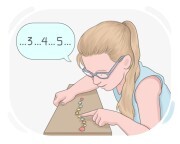
to count
to count
[Verbo]

to determine the number of people or objects in a group

contar

contar

Ex: Yesterday, they counted the inventory to ensure accuracy. 
LanGeek
Descargar la aplicación LanGeek