pattern

500 Najczęstszych Angielskich Czasowników - Top 226 - 250 Czasowników

Tutaj otrzymujesz część 10 listy najczęściej używanych czasowników w języku angielskim, takich jak "rozwiązywać", "śpiewać" i "posiadać".

Przegląd

Fiszki

formy

Pisownia

Test
Zacznij naukę
Most Common Verbs in English Vocabulary
to solve
to solve
[Czasownik]

to find an answer or solution to a question or problem

rozwiązywać, rozstrzygać

rozwiązywać, rozstrzygać

Ex: A positive attitude can often help you solve various challenges in life. 
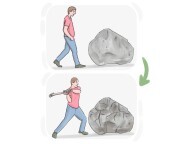
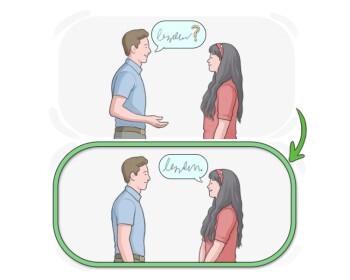
to destroy
to destroy
[Czasownik]

to cause damage to something in a way that it no longer exists, works, etc.

niszczyć, zniszczyć
niszczyć, zniszczyć

Ex: Environmental pollution often destroys delicate ecosystems and harms wildlife. 
to respond
to respond
[Czasownik]

to answer a question in spoken or written form

odpowiadać, reagować

odpowiadać, reagować

Ex: She regularly responds promptly to emails from clients. 
to discuss
to discuss
[Czasownik]

to talk about something with someone, often in a formal manner

dyskutować, omawiać
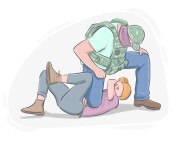
dyskutować, omawiać

Ex: He wanted to discuss his concerns with the manager before making a formal complaint. 
to attack
to attack
[Czasownik]

to act violently against someone or something to try to harm them

atakować, napadać
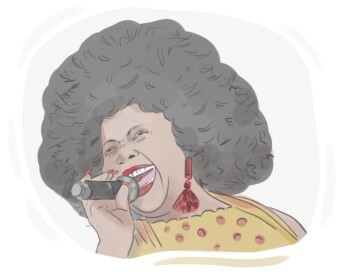
atakować, napadać

Ex: The predators in the wild often attack weaker members of the herd. 
to sing
to sing
[Czasownik]

to use one's voice in order to produce musical sounds in the form of a tune or song

śpiewać
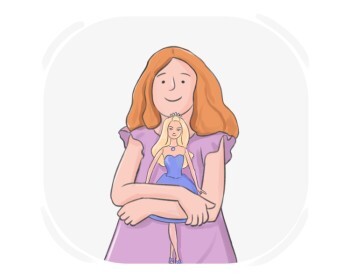
śpiewać

Ex: At the karaoke night, everyone got a chance to sing. 
to own
to own
[Czasownik]

to have something as for ourselves

posiadać,  mieć

posiadać, mieć

Ex: She currently owns a small business in the downtown area. 
to replace
to replace
[Czasownik]

to fill the role or take the place of someone or something

zastąpić, zamienić
zastąpić, zamienić

Ex: As technology advances, traditional methods may become obsolete and new approaches often replace them. 
to beat
to beat
[Czasownik]

to strike someone repeatedly, usually causing physical harm or injury

bić, pobić
bić, pobić

Ex: The bully threatened to beat the younger student if he didn't hand over his lunch money. 
to cost
to cost
[Czasownik]

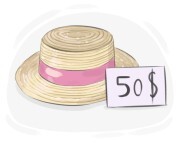
to require a particular amount of money

kosztować, warty

kosztować, warty

Ex: The new smartphone costs $500, but it comes with advanced features. 
to identify
to identify
[Czasownik]

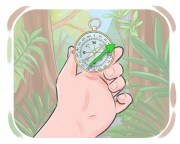
to be able to say who or what someone or something is

identyfikować,  rozpoznawać
identyfikować, rozpoznawać

Ex: The detective easily identifies the suspect from the security footage. 
to jump
to jump
[Czasownik]

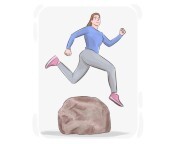
to push yourself off the ground or away from something and up into the air by using your legs and feet

skakać,  przeskakiwać

skakać, przeskakiwać

Ex: He jumped over the puddle to avoid getting his shoes wet. 
to select
to select
[Czasownik]

to choose someone or something from a group of people or things

wybierać, selekcjonować
wybierać, selekcjonować

Ex: The coach carefully selects players for each match based on their skills and performance. 
to head
to head
[Czasownik]

to move toward a particular direction

kierować się, iść
kierować się, iść

Ex: Every morning, the commuters head to the train station for their daily commute. 
to smell
to smell
[Czasownik]

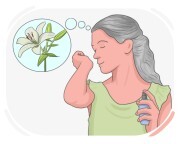
to release a particular scent

pachnieć, wydzielać
pachnieć, wydzielać

Ex: The flowers in the garden smell especially fragrant in the morning. 
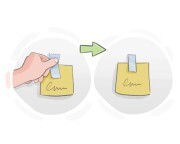
to stick
to stick
[Czasownik]

to fix an object to another, usually with glue or another similar substance

przyklejać, przymocowywać

przyklejać, przymocowywać

Ex: I need to stick this photo to the page of my scrapbook. 
to argue
to argue
[Czasownik]

to speak to someone often angrily because one disagrees with them

kłócić się, sprzeczać się
kłócić się, sprzeczać się

Ex: He argues with everyone at work; it's so annoying! 
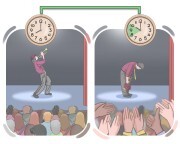
to last
to last
[Czasownik]

to maintain presence over a period

trwać, utrzymywać się
trwać, utrzymywać się

Ex: The concert lasts for two hours, showcasing the band's greatest hits. 
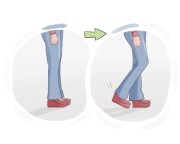
to step
to step
[Czasownik]

to move to a new position by raising one's foot and then putting it down in a different spot

kroczyć, iść
kroczyć, iść

Ex: She regularly steps onto the dance floor with confidence and grace. 
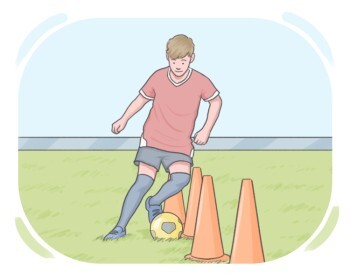
to practice
to practice
[Czasownik]

to do or play something many times to become good at it

ćwiczyć, trenować
ćwiczyć, trenować

Ex: Musicians regularly practice their instruments to improve their skills. 
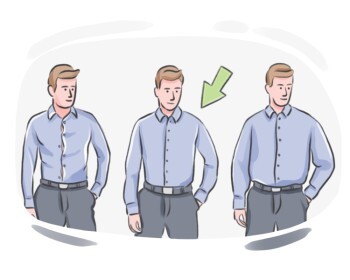
to fit
to fit
[Czasownik]

to be of the right size or shape for someone

pasować, dopasować
pasować, dopasować

Ex: Can you try on these shoes to see if they fit? 
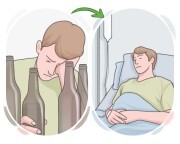
to suffer
to suffer
[Czasownik]

to experience and be affected by something bad or unpleasant

cierpieć, znosić
cierpieć, znosić

Ex: They suffered the consequences of their actions. 
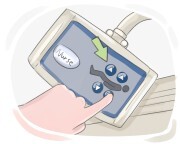
to adjust
to adjust
[Czasownik]

to slightly alter or move something in order to improve it or make it work better

dostosować, regulować

dostosować, regulować

Ex: The musician often adjusts the tuning of his guitar before each performance. 
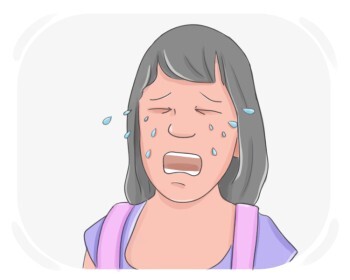
to cry
to cry
[Czasownik]

to have tears coming from your eyes as a result of a strong emotion such as sadness, pain, or sorrow

płakać, wybuchnąć płaczem
płakać, wybuchnąć płaczem

Ex: Despite his efforts to remain strong, he eventually broke down and cried in grief. 
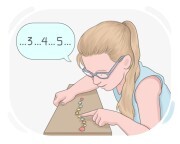
to count
to count
[Czasownik]

to determine the number of people or objects in a group

liczyć

liczyć

Ex: The teacher regularly counts the students at the beginning of the class. 
LanGeek
Pobierz aplikację LanGeek