pattern

Le livre Headway - Intermédiaire - Unité 9

Ici, vous trouverez le vocabulaire de l'Unité 9 du manuel Headway Intermediate, comme "louer", "ordre du jour", "sensible", etc.

Réviser

Flashcards

formes

Orthographe

Quiz

Commencer à apprendre
Headway - Intermediate
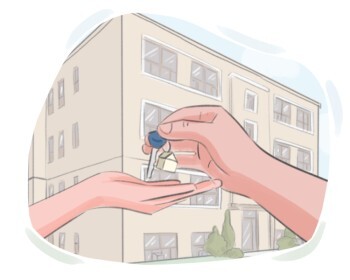
to rent
to rent
[verbe]

to let someone use one's property, car, etc. for a particular time in exchange for payment

loyer

loyer

Ex: The landlord decided to rent the vacant apartment to a new tenant. 
to hire
to hire
[verbe]

to employ someone or pay them to do a particular job

embaucher, engager

embaucher, engager

Ex: Emma hired a lawyer to handle the case. 
price
price
[nom]

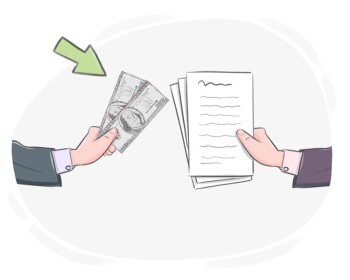
the amount of money required for buying something

prix
prix

Ex: He was willing to pay any price for the rare book. 
fee
fee
[nom]

the money that is paid to a professional or an organization for their services

redevance
redevance

Ex: We had to pay a small fee to access the online course. 
guest
guest
[nom]

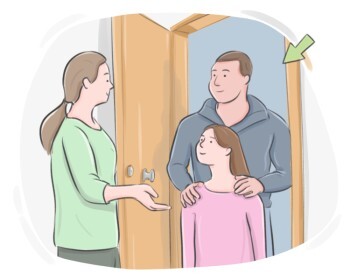
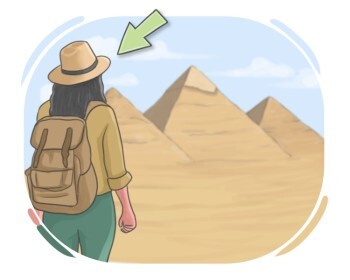
someone who is invited to visit someone else's home or attend a social event

invité, invitée
invité, invitée

Ex: Every guest received a small gift at the end of the wedding ceremony. 
visitor
visitor
[nom]

someone who enters a place, such as a building, city, or website, for a particular purpose

visiteur

visiteur

Ex: The museum welcomed visitors from around the world, offering guided tours and interactive exhibits. 
to trust
to trust
[verbe]

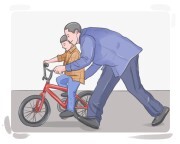
to believe that someone is sincere, reliable, or competent

faire confiance à
faire confiance à

Ex: The manager often trusts the team to make informed decisions. 
to rely on
to rely on
[verbe]

to have faith in someone or something

se fier à quelqu'un ou quelque chose, avoir confiance que quelqu'un ou quelque chose fournira l'aide ou le résultat nécessaire

se fier à quelqu'un ou quelque chose, avoir confiance que quelqu'un ou quelque chose fournira l'aide ou le résultat nécessaire

Ex: He knows he can rely on his colleagues to meet project deadlines. 

Il sait qu'il peut compter sur ses collègues pour respecter les délais du projet.
difficult
difficult
[Adjectif]

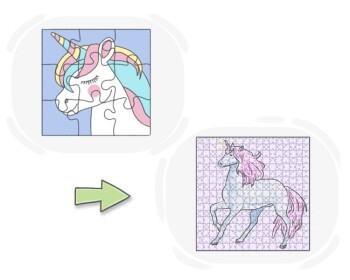
needing a lot of work or skill to do, understand, or deal with

difficile

difficile

Ex: Learning to ride a bike without training wheels can be difficult for young children. 
challenging
challenging
[Adjectif]

difficult to accomplish, requiring skill or effort

éprouvant, difficile,  	 	exigeant

éprouvant, difficile, exigeant

Ex: Climbing the steep mountain trail was challenging, testing the hiker's endurance and determination. 

Grimper le sentier de montagne escarpé était difficile, mettant à l'épreuve l'endurance et la détermination du randonneur.

benefit
benefit
[nom]

an advantage or a helpful effect that is the result of a situation

bénéfice

bénéfice

Ex: Employees receive health insurance as a benefit of working at the company. 
advantage

a condition that causes a person or thing to be more successful compared to others

avantage, atout

avantage, atout

Ex: The home team's familiarity with the field provided them with an advantage in the soccer match. 
to start
to start
[verbe]

to begin something new and continue doing it, feeling it, etc.

commencer

commencer

Ex: I started learning a new language last month. 
to set up
to set up
[verbe]

to establish a fresh entity, such as a company, system, or organization

créer, mettre en place

créer, mettre en place

Ex: The entrepreneur set a new business up in the tech industry. 

L'entrepreneur a monté une nouvelle entreprise dans l'industrie technologique.
out of work
out of work
[Phrase]

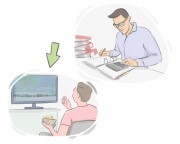
having no job

au chômage

au chômage

Ex: She felt discouraged after being out of work for an extended period. 
out of order
out of order
[Phrase]

(of a machine, equipment, or device) not working correctly and needing repair or maintenance to function properly

Ex: She noticed the out-of-order sign on the ATM and walked to another machine. 
cook
cook
[nom]

a person who prepares and cooks food, especially as their job

cuisinier, cuisinière
cuisinier, cuisinière

Ex: Lisa is training to become a cook at a culinary school. 
cooker
cooker
[nom]

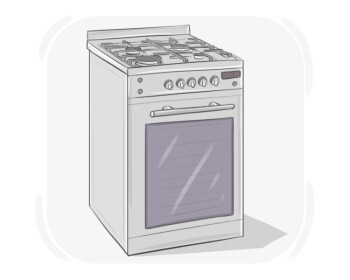
an appliance shaped like a box that is used for heating or cooking food by putting food on top or inside the appliance

four à cuisiner

four à cuisiner

Ex: The cooker was brand new and came with multiple cooking functions. 

Le cuiseur était tout neuf et était livré avec plusieurs fonctions de cuisson.
to rob
to rob
[verbe]

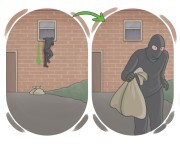
to illegally take money or property from a person, place, or organization

Ex: Someone tried to rob a convenience store near Jake's apartment. 
to steal
to steal
[verbe]

to take something from someone or somewhere without permission or paying for it

voler

voler

Ex: Yesterday, someone stole my lunch from the office fridge. 
to beat
to beat
[verbe]

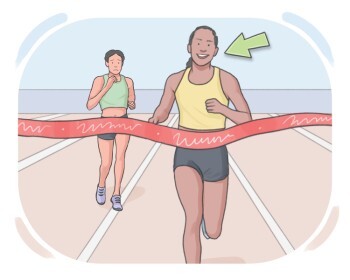
to get more points, votes, etc. than the other side, in a game, race, competition, etc. and win

battre, vaincre
battre, vaincre

Ex: She strategized to beat her opponents in the chess tournament and claim victory. 
to win
to win
[verbe]

to become the most successful, the luckiest, or the best in a game, race, fight, etc.

gagner

gagner

Ex: Despite the challenges, they managed to win the contract. 
to invent
to invent
[verbe]

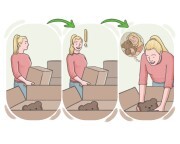
to create or design something new that did not previously exist

inventer
inventer

Ex: Maya wants to invent a device that can reduce household water waste. 
to discover

to find something unexpectedly or accidentally

découvrir, trouver

découvrir, trouver

Ex: They are hiking through the dense forest, discovering hidden trails and stunning natural beauty along the way. 
to check
to check
[verbe]

to discover information about something or someone by looking, asking, or investigating

vérifier

vérifier

Ex: Let me check the train schedule to find the next available departure. 
to control
to control
[verbe]

to have power over a person, company, country, etc. and to decide how things should be done

contrôler, commander
contrôler, commander

Ex: The dictator aimed to control every aspect of the nation's governance. 
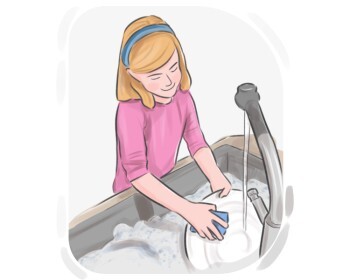
to wash
to wash
[verbe]

to clean someone or something with water, often with a type of soap

laver
laver

Ex: I need to wash my shoes; they are dirty. 
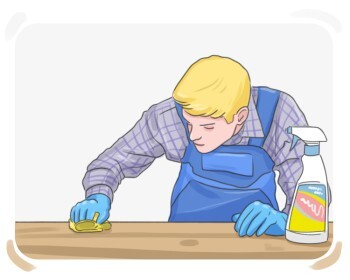
to clean
to clean
[verbe]

to make something have no bacteria, marks, or dirt

nettoyer

nettoyer

Ex: I usually clean the floors with a mop and cleaner. 
to hear
to hear
[verbe]

to notice the sound a person or thing is making

entendre, percevoir

entendre, percevoir

Ex: She heard the phone ring and went to answer it. 
to listen
to listen
[verbe]

to give our attention to the sound a person or thing is making

écouter

écouter

Ex: The children listened in awe as the storyteller spun her tale. 
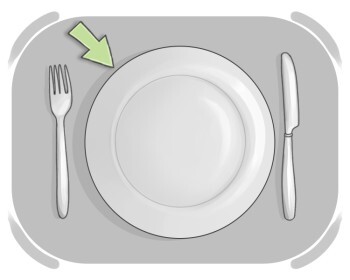
china
china
[nom]

a set of dishes, typically made of porcelain or ceramic, used for serving and eating food

vaisselle, porcelaine
vaisselle, porcelaine

Ex: He accidentally chipped one of the china plates while washing it. 
plate
plate
[nom]

a flat, typically round dish that we eat from or serve food on

assiette

assiette

Ex: She handed me a clean plate for dessert. 
delicious
delicious
[Adjectif]

having a very pleasant flavor

délicieux, délicieuse

délicieux, délicieuse

Ex: She couldn’t stop eating the delicious homemade cookies. 

Elle ne pouvait pas s’arrêter de manger les biscuits faits maison délicieux.
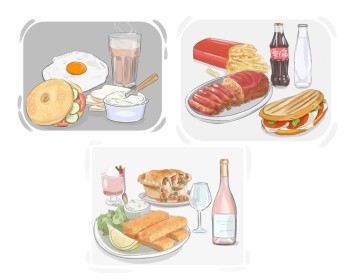
dish
dish
[nom]

food that is made in a special way as part of a meal

plat
plat

Ex: The restaurant serves several traditional local dishes. 
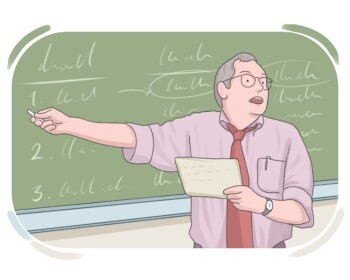
school teacher

an individual who is employed to teach students in a school or educational institution

professeur d'école, enseignant

professeur d'école, enseignant

Ex: The school teacher prepared her lesson plans for the week. 

L'enseignant a préparé ses plans de cours pour la semaine.

university

an educational institution at the highest level, where we can study for a degree or do research

université

université

Ex: She attends a prestigious university known for its engineering program. 
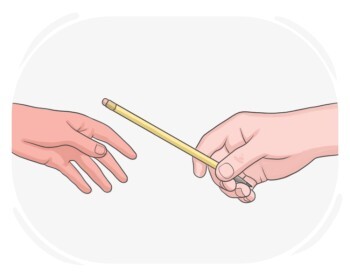
professor

an experienced teacher at a university or college who specializes in a particular subject and often conducts research

professeur, professeure
professeur, professeure

Ex: I have a meeting with my English professor tomorrow. 
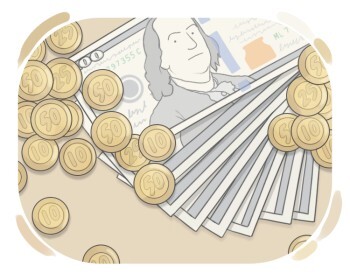
to borrow
to borrow
[verbe]

to use or take something belonging to someone else, with the idea of returning it

emprunter
emprunter

Ex: The company decided to borrow funds from the bank to finance the expansion project. 
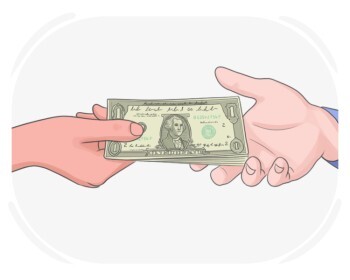
money
money
[nom]

something that we use to buy and sell goods and services, can be in the form of coins or paper bills

argent
argent

Ex: My parents give me pocket money every week. 
to lend
to lend
[verbe]

to give something to someone temporarily, expecting them to return it later

prêter
prêter

Ex: Emma lent Daniel her car for the weekend. 
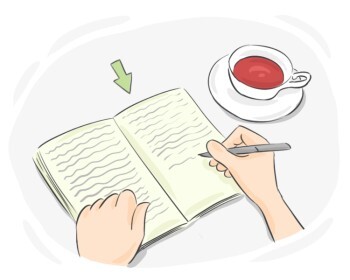
diary
diary
[nom]

a book or journal in which a person regularly records experiences, events, thoughts, or feelings

journal intime,  journal
journal intime, journal

Ex: Daniel kept a diary during his year abroad. 
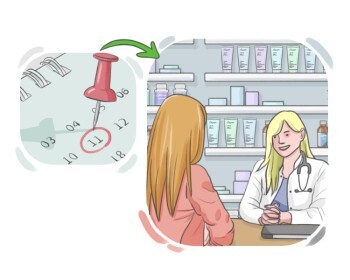
appointment

a planned meeting with someone, typically at a particular time and place, for a particular purpose

rendez-vous

rendez-vous

Ex: He made an appointment to discuss his grades with the teacher. 
agenda
agenda
[nom]

a list or set of matters, tasks, or aims that need attention or action

ordre du jour,  programme

ordre du jour, programme

Ex: Emma has several important issues on her agenda today. 
discussion

a conversation with someone about a serious subject

discussion

discussion

Ex: They scheduled a discussion to address the financial concerns of the project. 
point
point
[nom]

the most important thing that is said or done which highlights the purpose of something

point
point

Ex: During the debate, each candidate tried to articulate their main points clearly. 
sensitive
sensitive
[Adjectif]

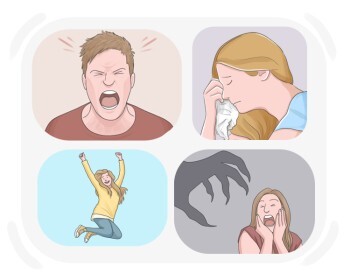
capable of understanding other people's emotions and caring for them

sensible
sensible

Ex: He gave a sensitive response to her concerns, making her feel heard. 
feeling
feeling
[nom]

an emotional state or sensation that one experiences such as happiness, guilt, sadness, etc.

sentiment
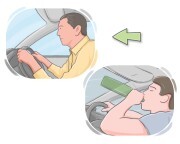
sentiment

Ex: After receiving the unexpected gift, a feeling of gratitude washed over him. 
sensible
sensible
[Adjectif]

(of a person) displaying good judgment

sensé, raisonnable

sensé, raisonnable

Ex: He’s a sensible person who avoids unnecessary drama. 

C'est une personne sensée qui évite les drames inutiles.
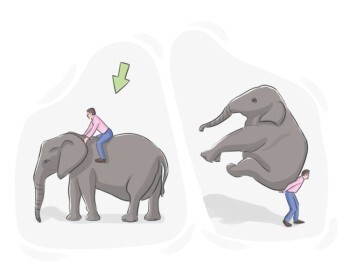
possible
possible
[Adjectif]

able to exist, happen, or be done

possible

possible

Ex: I will support you in every possible way. 

Je vais vous soutenir de toutes les manières possibles.
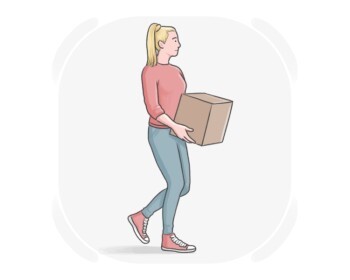
to bring
to bring
[verbe]

to come to a place with someone or something

apporter

apporter

Ex: Don't forget to bring your ID when you come to the event. 
to take
to take
[verbe]

to remove something or someone from a specific place

retirer

retirer

Ex: He took the book from the shelf and started reading. 
LanGeek
Télécharger l'application LanGeek