pattern

Headway - Intermediate - Unit 9

Here you will find the vocabulary from Unit 9 in the Headway Intermediate coursebook, such as "rent", "agenda", "sensitive", etc.

Review

Flashcards

Forms

Spelling

Quiz

Start learning
Headway - Intermediate
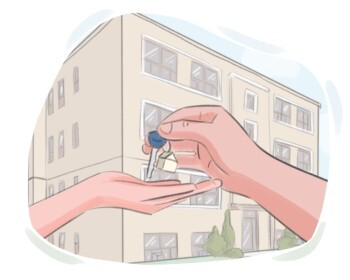
to rent
to rent
[Verb]

to let someone use one's property, car, etc. for a particular time in exchange for payment

Ex: She plans to rent her vacation home to tourists during the summer months. 
Close
Sign in
to hire
to hire
[Verb]

to pay someone to do a job

Ex: The company plans to hire ten new employees next month. 
Close
Sign in
price
price
[noun]

the amount of money required for buying something
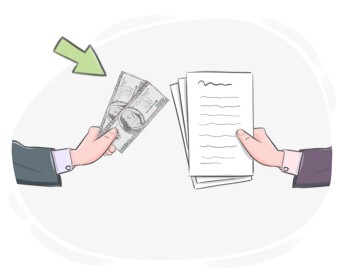
Ex: He checked the price of the flight online. 
Close
Sign in
fee
fee
[noun]

the money that is paid to a professional or an organization for their services
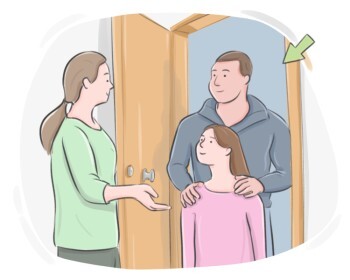
Ex: The lawyer's fee for handling the case was quite high. 
Close
Sign in
guest
guest
[noun]

someone who is invited to visit someone else's home or attend a social event
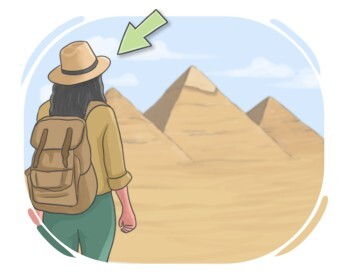
Ex: As a guest, it's important to respect the rules of your host. 
Close
Sign in
visitor
visitor
[noun]

someone who enters a place, such as a building, city, or website, for a particular purpose

Ex: The museum welcomed thousands of visitors during the holiday season. 
Close
Sign in
to trust
to trust
[Verb]

to believe that someone is sincere, reliable, or competent
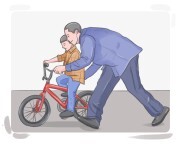
Ex: She regularly trusts her colleagues to complete tasks efficiently. 
Close
Sign in
to rely on

to have faith in someone or something
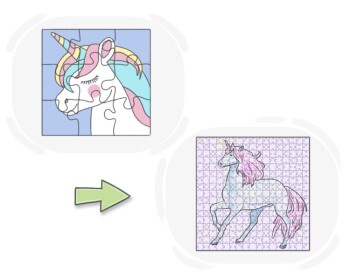
Ex: Parents often rely on teachers to provide a quality education for their children. 
Close
Sign in
difficult
difficult
[Adjective]

needing a lot of work or skill to do, understand, or deal with

Ex: Solving complex mathematical equations can be difficult without a strong understanding of mathematical principles. 
Close
Sign in
challenging
challenging
[Adjective]

difficult to accomplish, requiring skill or effort

Ex: Solving the puzzle proved to be challenging, requiring creative thinking and problem-solving skills. 
Close
Sign in
benefit
benefit
[noun]

an advantage or a helpful effect that is the result of a situation
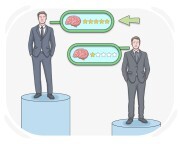
Ex: One of the main benefits of exercise is improved mental health. 
Close
Sign in
advantage
advantage
[noun]

a condition that causes a person or thing to be more successful compared to others

Ex: His experience in digital marketing gave him a significant advantage over other job applicants. 
Close
Sign in
to start
to start
[Verb]

to begin something new and continue doing it, feeling it, etc.

Ex: He started singing along to the song on the radio. 
Close
Sign in
to set up
to set up
[Verb]

to establish a fresh entity, such as a company, system, or organization
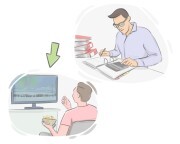
Ex: She set up a charity to support underprivileged children in the community. 
Close
Sign in
out of work
out of work
[phrase]

having no job

Ex: He's been out of work for six months and is actively searching for a new job. 
Close
Sign in
out of order
out of order
[phrase]

(of a machine, equipment, or device) not working correctly and needing repair or maintenance to function properly

Ex: The elevator was out of order, so they had to take the stairs. 
Close
Sign in
cook
cook
[noun]

a person who prepares and cooks food, especially as their job
Ex: As a cook, he knows many delicious recipes. 
Close
Sign in
cooker
cooker
[noun]

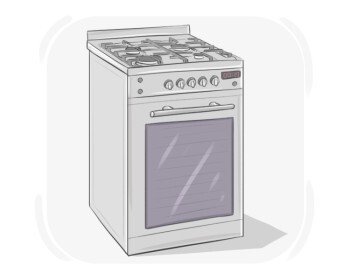
an appliance shaped like a box that is used for heating or cooking food by putting food on top or inside the appliance
Ex: She placed the pot on the cooker to heat up the soup. 
Close
Sign in
to rob
to rob
[Verb]

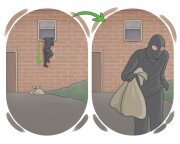
to take something from an organization, place, etc. without their consent, or with force

Ex: The masked intruder attempted to rob the convenience store at gunpoint. 
Close
Sign in
to steal
to steal
[Verb]

to take something from someone or somewhere without permission or paying for it

Ex: She steals cookies from the jar when no one is looking. 
Close
Sign in
to beat
to beat
[Verb]

to get more points, votes, etc. than the other side, in a game, race, competition, etc. and win
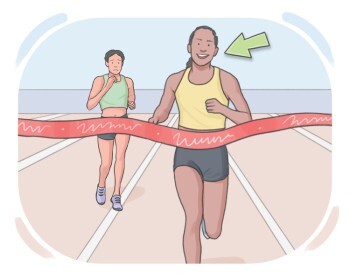
Ex: The soccer team managed to beat their opponents with a last-minute goal. 
Close
Sign in
to win
to win
[Verb]

to become the most successful, the luckiest, or the best in a game, race, fight, etc.

Ex: Our team won the championship after a hard-fought season. 
Close
Sign in
to invent
to invent
[Verb]

to make or design something that did not exist before
Ex: Thomas Edison invented the electric light bulb, revolutionizing illumination. 
Close
Sign in
to discover

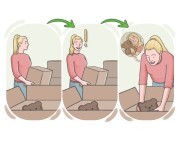
to find something unexpectedly or accidentally

Ex: While exploring the attic, I discovered an old box filled with vintage photographs. 
Close
Sign in
to check
to check
[Verb]

to discover information about something or someone by looking, asking, or investigating
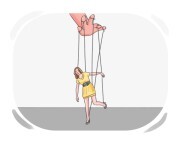
Ex: I'll check the weather forecast to see if it's going to rain tomorrow. 
Close
Sign in
to control

to have power over a person, company, country, etc. and to decide how things should be done
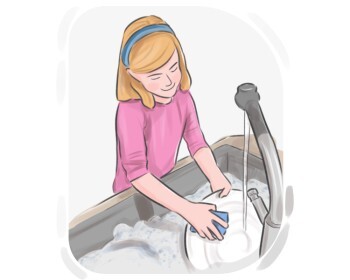
Ex: The CEO sought to control the company's strategic direction. 
Close
Sign in
to wash
to wash
[Verb]

to clean someone or something with water, often with a type of soap
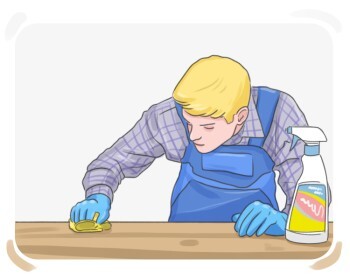
Ex: I always wash my hands before eating. 
Close
Sign in
to clean
to clean
[Verb]

to make something have no bacteria, marks, or dirt

Ex: I need to clean my glasses; they are dirty. 
Close
Sign in
to hear
to hear
[Verb]

to notice the sound a person or thing is making

Ex: I heard footsteps behind me and quickly turned around. 
Close
Sign in
to listen
to listen
[Verb]

to give our attention to the sound a person or thing is making

Ex: Listen closely, and you can hear the birds singing in the trees. 
Close
Sign in
china
china
[noun]

a set of dishes, typically made of porcelain or ceramic, used for serving and eating food
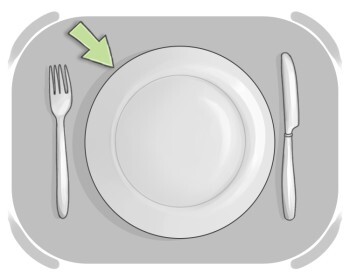
Ex: She collects vintage china from different eras and styles. 
Close
Sign in
plate
plate
[noun]

a flat, typically round dish that we eat from or serve food on
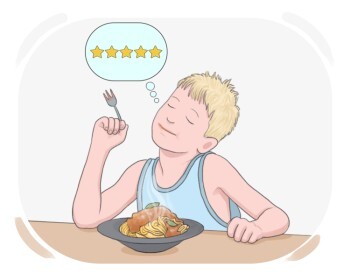
Ex: He served the salad on a large ceramic plate. 
Close
Sign in
delicious
delicious
[Adjective]

having a very pleasant flavor

Ex: For me, the most delicious food always involves cheese. 
Close
Sign in
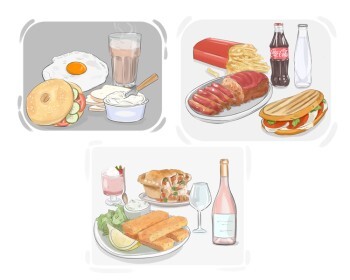
dish
dish
[noun]

food that is made in a special way as part of a meal

Close
Sign in
school teacher

an individual who is employed to teach students in a school or educational institution

Ex: She became a school teacher because she loves working with children. 
Close
Sign in
university

an educational institution at the highest level, where we can study for a degree or do research

Ex: I will graduate from university next year with a degree in psychology. 
Close
Sign in
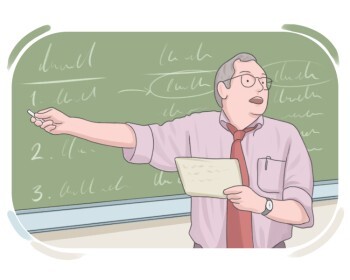
professor
professor
[noun]

an experienced teacher at a university or college who specializes in a particular subject and often conducts research
Ex: He is a professor of physics at a renowned university. 
Close
Sign in
to borrow
to borrow
[Verb]

to use or take something belonging to someone else, with the idea of returning it
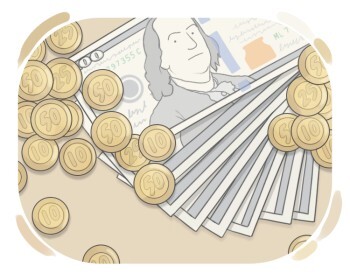
Ex: Can I borrow your umbrella? It's raining outside, and I left mine at home. 
Close
Sign in
money
money
[noun]

something that we use to buy and sell goods and services, can be in the form of coins or paper bills
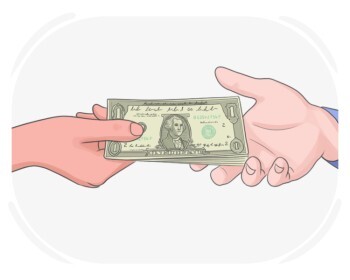
Ex: I really need to save money to buy a new bicycle. 
Close
Sign in
to lend
to lend
[Verb]

to give someone something, like money, expecting them to give it back after a while
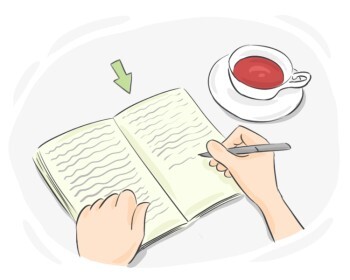
Ex: She agreed to lend her friend some money until the next payday. 
Close
Sign in
diary
diary
[noun]

a book or journal in which one records personal experiences, thoughts, or feelings on a regular basis, usually on a daily basis
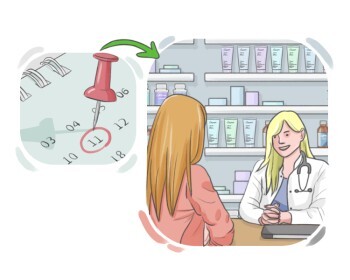
Ex: She kept a diary throughout her travels, documenting her experiences and the people she met along the way. 
Close
Sign in
appointment

a planned meeting with someone, typically at a particular time and place, for a particular purpose

Ex: Do you have any appointments available in the afternoon? 
Close
Sign in
agenda
agenda
[noun]

a list of things that need to be considered, solved, or done

Ex: The agenda for the workshop was packed with interesting discussions. 
Close
Sign in
discussion

a conversation with someone about a serious subject

Ex: The team had a lengthy discussion about the company's future strategies. 
Close
Sign in
point
point
[noun]

the most important thing that is said or done which highlights the purpose of something
Ex: The professor made a crucial point about the importance of environmental conservation. 
Close
Sign in
sensitive
sensitive
[Adjective]

capable of understanding other people's emotions and caring for them
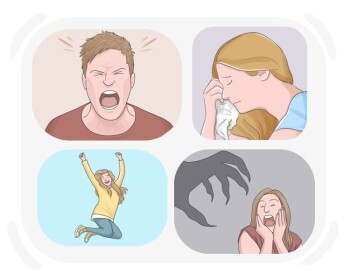
Ex: She has a sensitive nature, always attuned to the feelings of those around her. 
Close
Sign in
feeling
feeling
[noun]

an emotional state or sensation that one experiences such as happiness, guilt, sadness, etc.
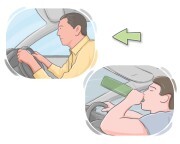
Ex: The feeling of warmth from the sun on her skin filled her with comfort and contentment. 
Close
Sign in
sensible
sensible
[Adjective]

(of a person) displaying good judgment
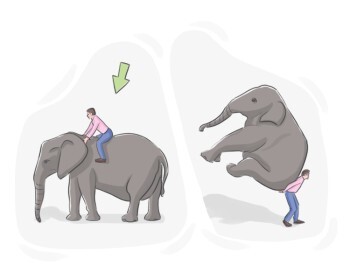
Ex: She’s a sensible friend who always offers sound advice. 
Close
Sign in
possible
possible
[Adjective]

able to exist, happen, or be done

Ex: Even when it seems unlikely, making new friends in a new city is possible. 
Close
Sign in
to bring
to bring
[Verb]

to come to a place with someone or something

Ex: Can we bring our pets to the park? 
Close
Sign in
to take
to take
[Verb]

to remove something or someone from a specific place

Ex: He took a photo from his wallet and showed it to the group. 
Close
Sign in
LanGeek
Download LanGeek app