pattern

Le livre Top Notch 3A - Unité 2 - Leçon 1

Ici, vous trouverez le vocabulaire de l'Unité 2 - Leçon 1 du manuel Top Notch 3A, comme "symptôme", "nauséeux", "sifflement", etc.

Réviser

Flashcards

Orthographe

Quiz

Commencer à apprendre
Top Notch 3A
symptom
symptom
[nom]

a change in the normal condition of the body of a person, which is the sign of a disease

symptôme
symptôme

Ex: The patient reported a fever as one of the first symptoms of the flu. 

Le patient a signalé une fièvre comme l'un des premiers symptômes de la grippe.

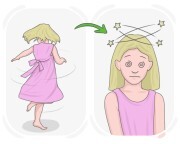
dizzy
dizzy
[Adjectif]

unable to keep one's balance and feeling as though everything is circling around one, caused by an illness or looking down from a high place

avoir la tête qui tourne, pris de vertige

avoir la tête qui tourne, pris de vertige

Ex: Motion sickness can make travelers feel dizzy and nauseous during long car rides. 

Le mal des transports peut rendre les voyageurs étourdis et nauséeux pendant les longs trajets en voiture.
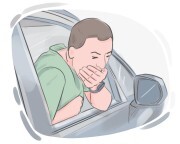
nauseous
nauseous
[Adjectif]

feeling as if one is likely to vomit

nauséeux, barbouillé

nauséeux, barbouillé

Ex: The strong smell of seafood made her feel nauseous, so she had to leave the restaurant. 

La forte odeur de fruits de mer l'a rendue nauséeuse, alors elle a dû quitter le restaurant.
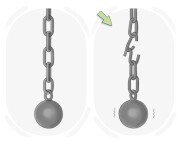
weak
weak
[Adjectif]

structurally fragile or lacking durability

faible

faible

Ex: That old shelf has a weak joint and might snap under weight. 

Cette vieille étagère a un joint faible et pourrait casser sous le poids.

short of breath

facing difficulties when breathing

Ex: He became short of breath after climbing the stairs. 
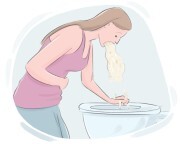
to vomit
to vomit
[verbe]

to eject what has been eaten or drunk through the mouth

vomir

vomir

Ex: The patient often vomits as a side effect of the medication. 

Le patient vomit souvent comme effet secondaire du médicament.
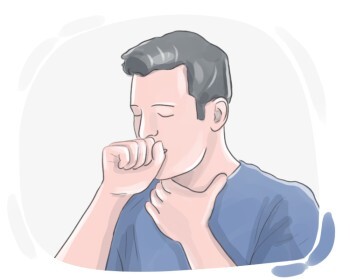
to cough
to cough
[verbe]

to push air out of our mouth with a sudden noise

tousser

tousser

Ex: He had to cough to clear his throat. 

Il a dû tousser pour se racler la gorge.

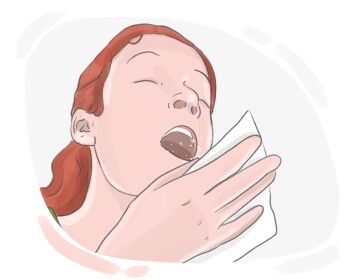
to sneeze
to sneeze
[verbe]

to blow air out of our nose and mouth in a sudden way

éternuer

éternuer

Ex: I sneeze uncontrollably when I have a cold. 

J'éternue de manière incontrôlable quand j'ai un rhume.
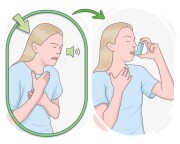
to wheeze
to wheeze
[verbe]

to breathe with difficulty, especially with a whistling or rattling sound

respirer bruyamment, avoir du mal à respirer

respirer bruyamment, avoir du mal à respirer

Ex: After running a marathon, she started to wheeze due to exertion and shortness of breath. 

Après avoir couru un marathon, elle a commencé à siffler en raison de l'effort et de l'essoufflement.
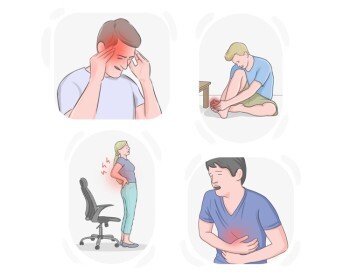
pain
pain
[nom]

the unpleasant feeling caused by an illness or injury

douleur
douleur

Ex: I hit my elbow and the pain is intense. 

J'ai cogné mon coude et la douleur est intense.

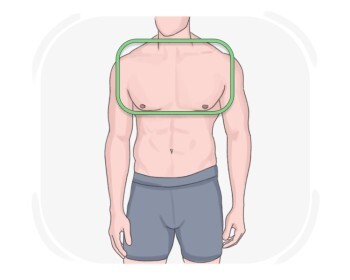
chest
chest
[nom]

the front part of the body between the neck and the stomach

poitrine
poitrine

Ex: He felt a pounding in his chest when he ran up the stairs. 

Il a senti un battement dans sa poitrine lorsqu'il a monté les escaliers.

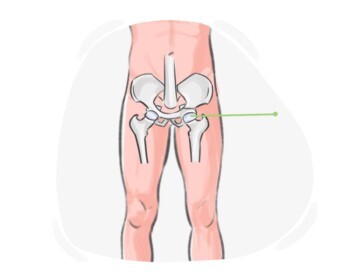
hip
hip
[nom]

each of the parts above the legs and below the waist at either side of the body

hanche

hanche

Ex: He felt a sharp pain in his hip after the long run. 

Il a ressenti une douleur vive à la hanche après la longue course.

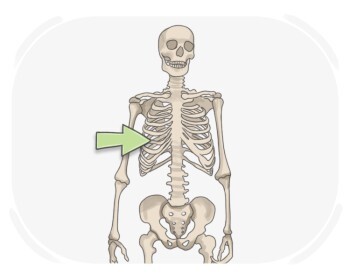
rib
rib
[nom]

each of the curved bones surrounding the chest to protect the organs inside

côte
côte

Ex: She felt a sharp pain in her ribs after lifting a heavy object. 

Elle a ressenti une douleur aiguë dans les côtes après avoir soulevé un objet lourd.

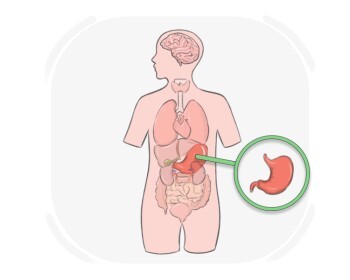
stomach
stomach
[nom]

the body part inside our body where the food that we eat goes

estomac

estomac

Ex: He held his stomach in pain after eating something that didn't agree with him. 

Il tenait son estomac de douleur après avoir mangé quelque chose qui ne lui convenait pas.

LanGeek
Télécharger l'application LanGeek