
Le livre Face2face - Intermédiaire - Unité 9 - 9C
Ici, vous trouverez le vocabulaire de l'Unité 9 - 9C dans le manuel Face2Face Intermediate, comme "réponse", "frisson", "malgré", etc.
Réviser
Flashcards
formes
Orthographe
Quiz

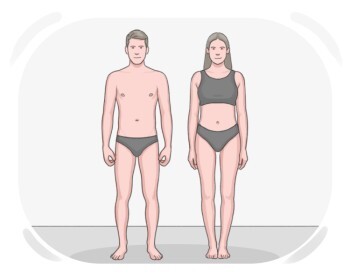
our or an animal's hands, legs, head, and every other part together

corps
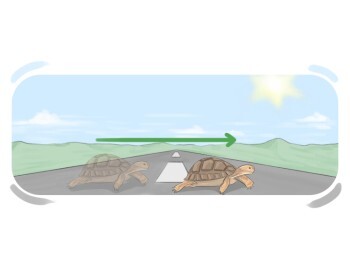
a change in position or posture that occurs without actually relocating from one place to another
mouvement

a physical or emotional reaction that happens as a result of a specific situation or event
réponse, réaction
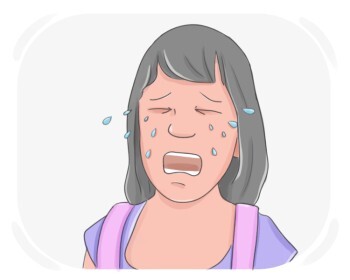
to have tears coming from your eyes as a result of a strong emotion such as sadness, pain, or sorrow
pleurer
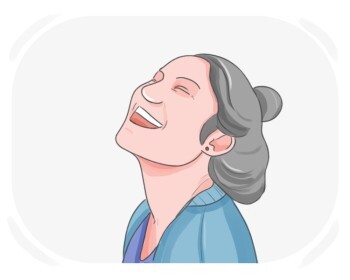
to make happy sounds and move our face like we are smiling because something is funny
rire
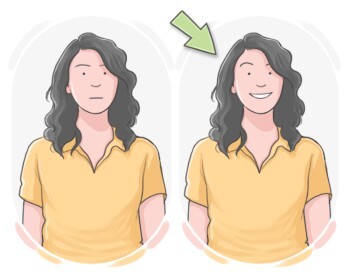
to make our mouth curve upwards, often in a way that our teeth can be seen, to show that we are happy or amused
sourire
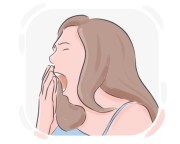
to unexpectedly open one's mouth wide and deeply breathe in because of being bored or tired
bâiller
Se sentant épuisée, elle ne pouvait s'empêcher de bâiller pendant la longue réunion.
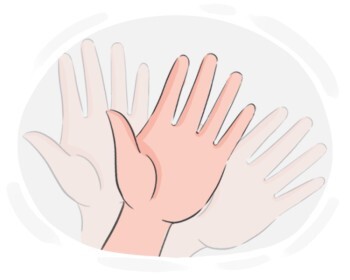
to raise one's hand and move it from side to side to greet someone or attract their attention
faire un signe de la main
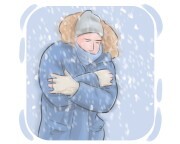
to shake slightly and repeatedly, especially because of cold, fear, excitement, or illness
frissonner, trembler

to become red in the face, especially as a result of shyness or shame
rougir
La jeune fille a commencé à rougir lorsque son béguin lui a parlé.

to extend one's body parts or one's entire body to full length
s'étirer
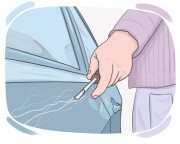
to damage a surface or skin by making a thin, shallow cut or mark with something sharp or rough
gratter
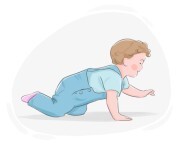
to move slowly with the body near the ground or on the hands and knees
marcher à quatre pattes, ramper
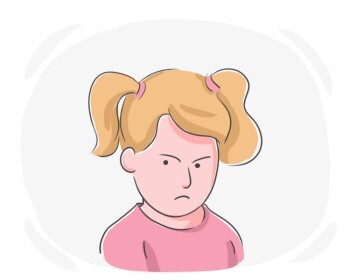
to bring the eyebrows together and wrinkle the forehead, especially to show anger, worry, confusion, or disapproval
foncer les sourcils

to produce sweat through the skin
suer, transpirer

used to introduce a contrast to what has just been said
bien que
Il a accepté d'aider bien qu'il ait un emploi du temps chargé.
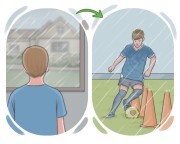
used to show that something happened or is true, even though there was a difficulty or obstacle that might have prevented it
malgré, en dépit de
used to add a statement that contradicts what was just mentioned
pourtant, cependant
Il s'attendait à ce que la tâche soit difficile ; cependant, elle s'est avérée étonnamment simple.
