
Aklat Face2face - Intermediate - Yunit 9 - 9C
Dito mo makikita ang bokabularyo mula sa Unit 9 - 9C sa Face2Face Intermediate coursebook, tulad ng "tugon", "panginginig", "sa kabila ng", atbp.
Repasuhin
Flashcards
mga anyo
Pagbaybay
Pagsusulit

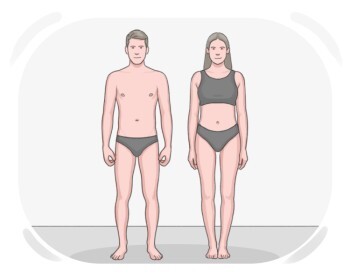
our or an animal's hands, legs, head, and every other part together

katawan, katawan
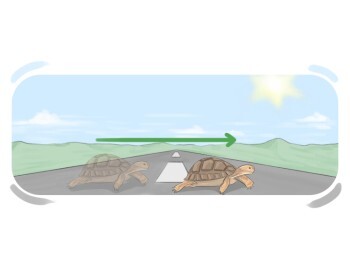
a change in position or posture that occurs without actually relocating from one place to another
galaw, kilos

a physical or emotional reaction that happens as a result of a specific situation or event
tugon, reaksyon
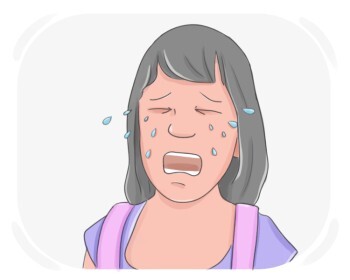
to have tears coming from your eyes as a result of a strong emotion such as sadness, pain, or sorrow
umiyak, lumuhod sa pag-iyak
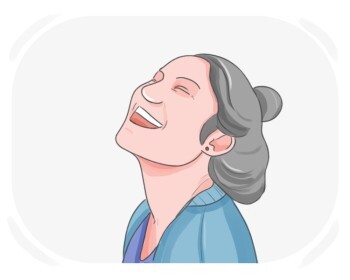
to make happy sounds and move our face like we are smiling because something is funny
tumawa, humalakhak
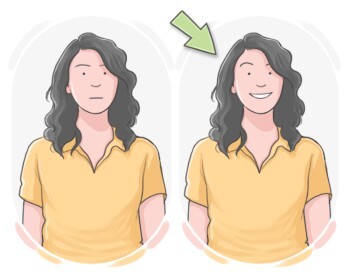
to make our mouth curve upwards, often in a way that our teeth can be seen, to show that we are happy or amused
ngumiti

to unexpectedly open one's mouth wide and deeply breathe in because of being bored or tired
maghikab, humihipo dahil sa pagkabagot
Habang tumatagal ang lektura, ang mga estudyante ay nagsimulang maghikab sa pagkabagot.
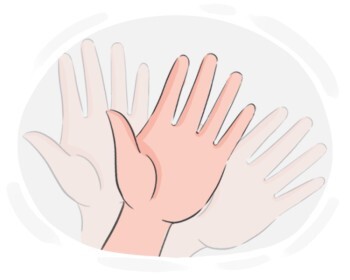
to raise one's hand and move it from side to side to greet someone or attract their attention
magwagayway, kumaway
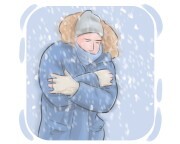
to shake slightly and repeatedly, especially because of cold, fear, excitement, or illness
mangatal, manginig

to become red in the face, especially as a result of shyness or shame
mamula, pumula
Hindi niya mapigilang mamula nang purihin ang kanyang pagganap.

to extend one's body parts or one's entire body to full length
unat, iabot
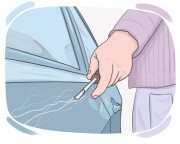
to damage a surface or skin by making a thin, shallow cut or mark with something sharp or rough
magasgas, kalmutin
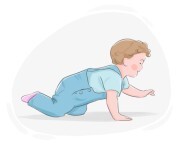
to move slowly with the body near the ground or on the hands and knees
gumapang, magkayo
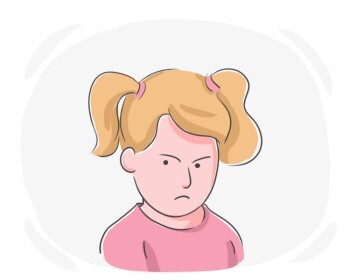
to bring the eyebrows together and wrinkle the forehead, especially to show anger, worry, confusion, or disapproval
sumimangot, magkunot ng noo

to produce sweat through the skin
pawisan, magpawis

used to introduce a contrast to what has just been said
bagaman, kahit na
Bagama umuulan, pumunta pa rin kami sa parke.
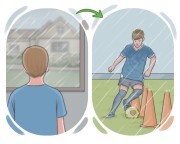
used to show that something happened or is true, even though there was a difficulty or obstacle that might have prevented it
sa kabila ng, kahit na
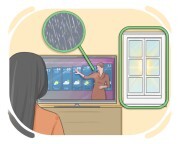
used to add a statement that contradicts what was just mentioned
gayunpaman, subalit
Inihula ng forecast ng panahon ang ulan; gayunpaman, ang araw ay sumisikat nang maliwanag.
