
Le livre Total English - Élémentaire - Unité 6 - Référence - Partie 1
Ici, vous trouverez le vocabulaire de l'Unité 6 - Référence - Partie 1 du manuel Total English Elementary, comme "construire", "attraper", "oublier", etc.
Réviser
Flashcards
Orthographe
Quiz
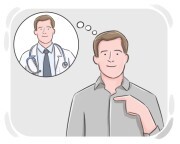
used when naming, or giving description or information about people, things, or situations

être, avoir
Sarah est une artiste talentueuse.
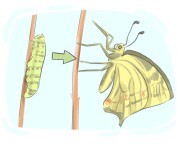
to begin to be something or develop into a particular state, condition, or role
devenir
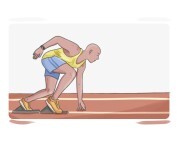
to do or experience the first part of something
commencer
John venait de commencer une probation de dix ans pour son implication dans le vol.
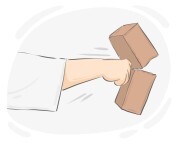
to separate something into more pieces, often in a sudden way
casser
Les vents violents de la tempête peuvent casser les branches des arbres.
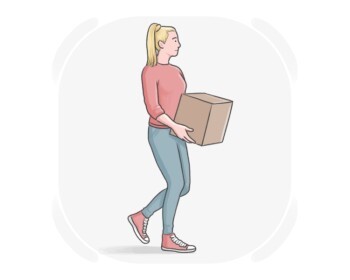
to come to a place with someone or something
apporter
N'oubliez pas d'apporter votre pièce d'identité lorsque vous venez à l'événement.
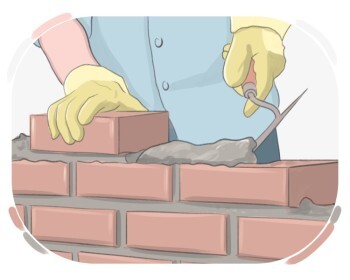
to put together different materials such as brick to make a building, etc.
construire, bâtir
Les oiseaux construisent des nids complexes pour protéger leurs œufs.

to get something in exchange for paying money
acheter
Il a acheté un nouveau téléphone pour remplacer l'ancien.
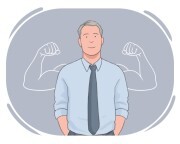
to be able to do somehing, make something, etc.
pouvoir
En utilisant ses talents artistiques, elle peut peindre de beaux paysages.
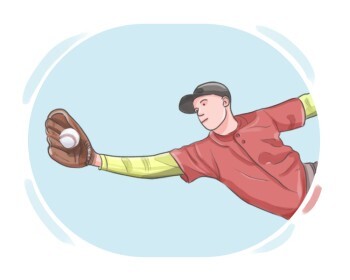
to stop and hold an object that is moving through the air
attraper, prendre
Dans son dernier match, le joueur de baseball a attrapé une balle rapide.
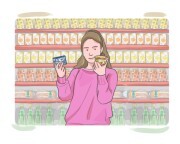
to decide what we want to have or what is best for us from a group of options
choisir
Je n'arrive pas à me décider entre ces deux desserts ; choisis pour moi.
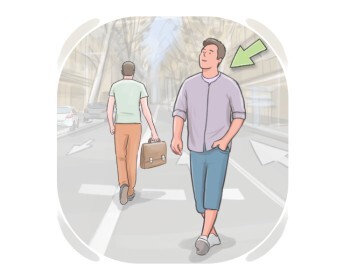
to move toward a location that the speaker considers to be close or relevant to them
venir
David est entré dans le bureau et s'est assis à son bureau.
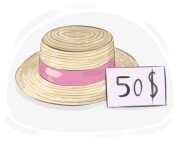
to require a particular amount of money
coûter
L'entretien régulier de la voiture coûte généralement environ 100 $ par mois.
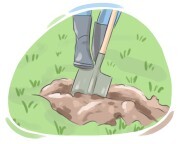
to break up, loosen, or remove earth or another material with a tool, machine, or the hands
creuser
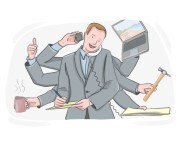
to perform an action that is not mentioned by name
faire
Je ne suis pas sûr de ce qu'il faut faire dans cette situation ; c'est assez déroutant.
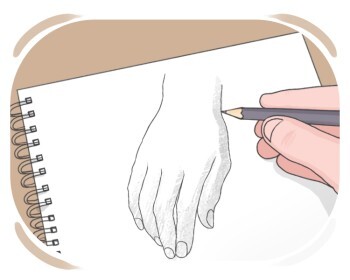
to make a picture of something using a pencil, pen, etc. without coloring it
dessiner
Mon petit frère est capable de dessiner un cercle parfait à main levée.
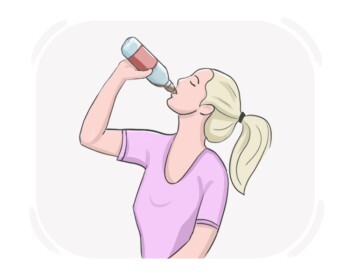
to put water, coffee, or other type of liquid inside of our body through our mouth
boire
Son frère avait l'habitude de boire du jus d'orange fraîchement pressé.
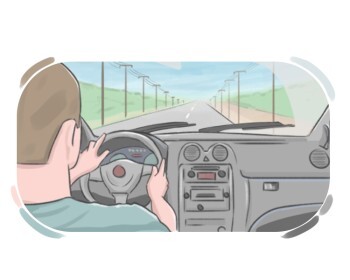
to control the movement and the speed of a car, bus, truck, etc. when it is moving
conduire
Je conduis généralement à l'école, mais aujourd'hui je prends le bus.
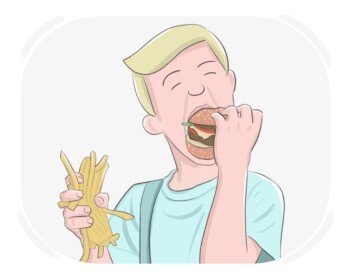
to put food into the mouth, then chew and swallow it
manger
Il était trop occupé pour manger le déjeuner en raison de réunions consécutives.
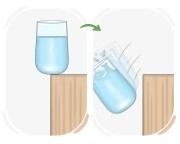
to lose balance and drop to the ground
tomber
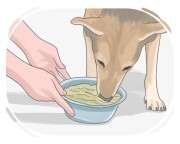
to give food to a person or an animal
donner à manger à
Je nourris le chat pendant que tu prépares le dîner.
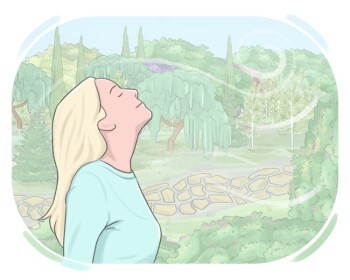
to experience a particular emotion
se sentir
Sa gentillesse et son soutien lui ont fait se sentir aimée et valorisée.
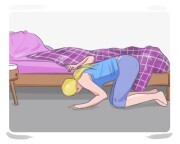
to search and discover something or someone that we have lost or do not know the location of
trouver
Il a cherché son téléphone portable manquant, mais il était introuvable.
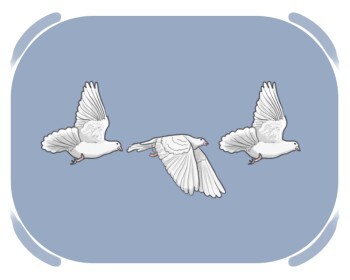
to move or travel through the air
voler
Pouvez-vous voir le papillon coloré voler dans le jardin ?
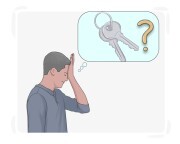
to not be able to remember something or someone from the past
oublier
Essayez de ne pas oublier les points principaux de votre présentation.
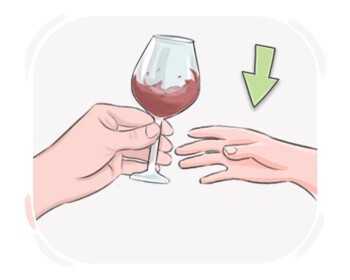
to receive or be given something
obtenir, recevoir, prendre
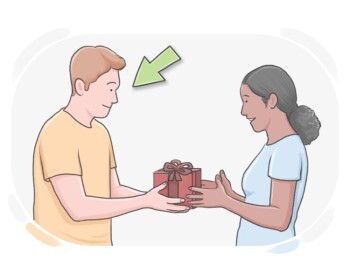
to hand a thing to a person to look at, use, or keep
donner
Elle m'a donné une clé pour accéder à la réserve.
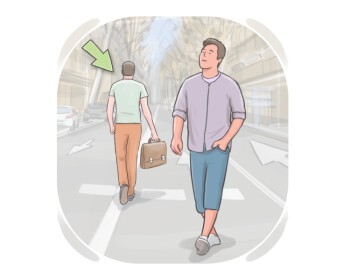
to travel or move from one location to another
aller
Ils doivent aller à New York pour une réunion cruciale avec des clients.
to get larger and taller and become an adult over time
grandir, mûrir, pousser
Je n'arrive pas à croire à quelle vitesse mon neveu grandit.
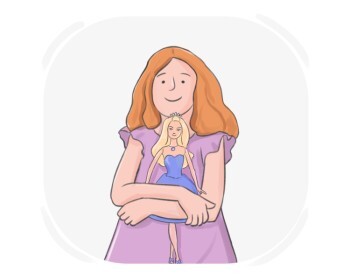
to hold or own something
avoir
Ils avaient autrefois une maison de plage.
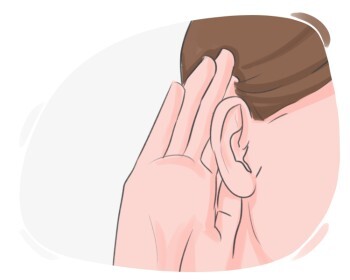
to notice the sound a person or thing is making
entendre,percevoir
Elle a entendu le téléphone sonner et est allée répondre.
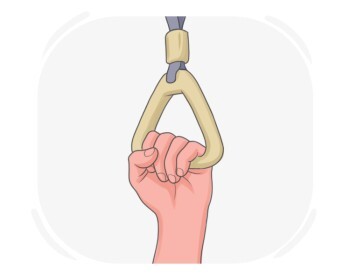
to have in your hands or arms
tenir,porter
Elle a tenu la main de son amie pour se soutenir pendant le film effrayant.
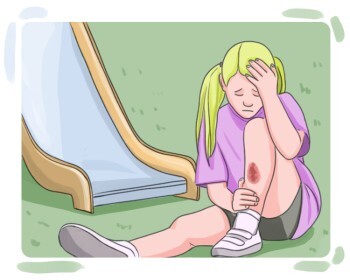
to cause injury or physical pain to yourself or someone else
faire mal à
Il n'a pas vu la marche et blessé son pied.
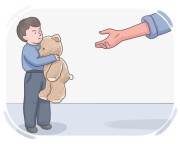
to have or continue to have something
tenir
Il a trouvé un portefeuille perdu dans la rue et a décidé de le garder jusqu'à ce qu'il puisse trouver le propriétaire.
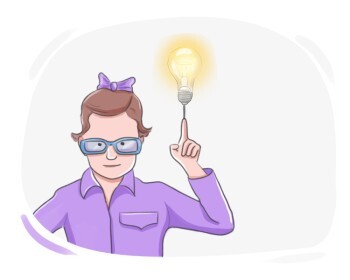
to have some information about something
savoir
Il sait qu'il a fait une erreur et s'en excuse.
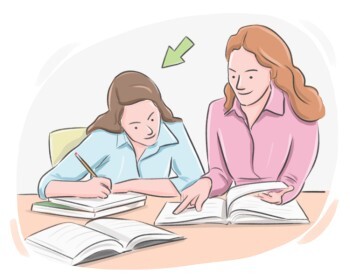
to become knowledgeable or skilled in something by doing it, studying, or being taught
apprendre
J'ai appris à faire du vélo quand j'étais enfant.
