
Le livre Total English - Avancé - Unité 8 - Vocabulaire
Ici, vous trouverez les mots de l'Unité 8 - Vocabulaire dans le manuel Total English Advanced, tels que "impliquer", "en particulier", "déduire", etc.
Réviser
Flashcards
formes
Orthographe
Quiz

used to introduce an opposing statement

pourtant

used to introduce a contrasting aspect of a situation, especially when comparing it to a previous point
d'un autre côté, par contre
Elle aime l'énergie de la ville. D'un autre côté, elle déteste le bruit et la foule.
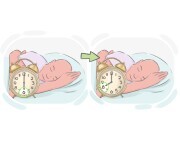
up until the current or given time
encore
Les résultats de l'expérience ne sont pas concluants ; nous n'avons pas encore de conclusion.
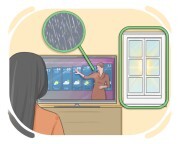
used to add a statement that contradicts what was just mentioned
pourtant, cependant
Il s'attendait à ce que la tâche soit difficile ; cependant, elle s'est avérée étonnamment simple.

used to add extra or supplementary information
en plus de
En plus de l'anglais, il parle couramment trois autres langues.
to bring attention to something by making it more visible or important
mettre en évidence, souligner
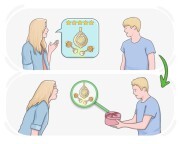
to suggest or communicate something indirectly rather than state it clearly
faire allusion à, laisser entendre
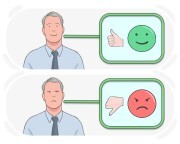
to suggest without explicitly stating
impliquer
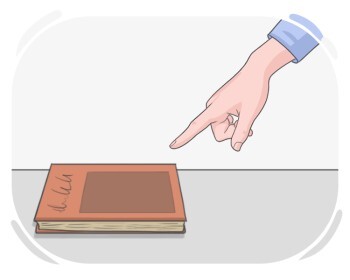
to show something to someone by pointing one's finger toward it
montrer du doigt, indiquer quelque chose à quelqu'un
Pouvez-vous me le montrer sur la carte ?
to highlight something and make it easier to notice by drawing attention toward it
souligner
to reach an opinion or decision based on available evidence and one's understanding of the matter
déduire
Les enseignants demandent souvent aux élèves de déduire le sens des mots à partir du contexte d'une phrase.
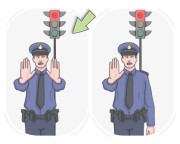
to emphasize a particular point or aspect
souligner, insister sur

to emphasize or demonstrate the importance, significance, or truth of something
souligner, mettre en évidence

to direct one's attention, energy, or efforts toward a particular goal, task, or objective
concentrer son attention ou ses efforts sur quelque chose, consacrer toute son attention à atteindre un objectif
Le professeur a encouragé les étudiants à se concentrer sur le projet de recherche.

to mention an idea, proposition, plan, etc. for further consideration or possible action
suggérer
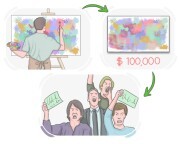
to cause or give rise to something
créer, générer, susciter

to form a judgment on the quality, worth, nature, ability or importance of something, someone, or a situation
évaluer
to create something by organizing and combining ideas or components in a logical and coherent way
construire, élaborer

to judge the quality, importance, value, or effectiveness of someone or something
évaluer

to carefully examine something and judge its value, often in terms of money or quality
évaluer, apprécier
Elle évalue les bijoux vintage pour estimer leur valeur avant de les vendre.

to carefully develop or devise a plan, idea, theory, or method
formuler, élaborer
used to introduce the most important part of what is being said
particulièrement, spécialement, surtout
La nouvelle politique a apporté plusieurs changements sur le lieu de travail, notamment en ce qui concerne les avantages sociaux des employés.
used to give more specific information or examples regarding what has just been mentioned
à savoir
L'entreprise a été confrontée à plusieurs défis, à savoir des contraintes financières et une pénurie de personnel qualifié.
used to specify or emphasize a particular aspect or detail within a broader context
en particulier, notamment
Nous proposons une variété de services, mais je voulais mettre en évidence nos services de conseil en particulier.
used to indicate that the speaker or writer is providing an exact or accurate version of something, often to clarify, specify, or emphasize a particular point

used to introduce additional information
de plus, en outre
Notre recherche suggère que l'exercice améliore le bien-être mental ; de plus, des niveaux d'activité plus élevés apportent de plus grands avantages.
