
Książka Total English - Zaawansowany - Jednostka 8 - Słownictwo
Tutaj znajdziesz słowa z Unitu 8 - Słownictwo w podręczniku Total English Advanced, takie jak "implikować", "w szczególności", "wnioskować" itp.
Przegląd
Fiszki
formy
Pisownia
Test


used to introduce an opposing statement

niemniej jednak, jednakże

used to introduce a contrasting aspect of a situation, especially when comparing it to a previous point
z drugiej strony, natomiast
Jest genialny w matematyce. Z drugiej strony, jego umiejętności pisania wymagają poprawy.
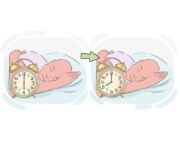
up until the current or given time
jeszcze, wciąż
Zespół pracował nad projektem, ale jeszcze go nie ukończył jeszcze.

used to add a statement that contradicts what was just mentioned
jednak, niemniej
Była zmęczona; jednak, postanowiła uczestniczyć w wieczornej lekcji.

used to add extra or supplementary information
oprócz, dodatkowo do
Oprócz dyplomu inżyniera, ma również dyplom z muzyki.
to bring attention to something by making it more visible or important
podkreślać, wyróżniać
Nauczyciel użył markera w innym kolorze, aby podkreślić istotne informacje na tablicy.
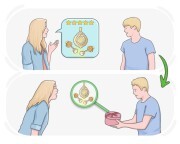
to indirectly suggest something
sugerować, napomykać
Nauczyciel zasugerował nadchodzący egzamin, omawiając znaczenie systematycznej nauki.
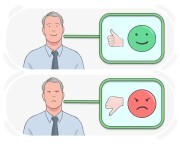
to suggest without explicitly stating
sugerować, implikować
Ton głosu nauczyciela sugerował rozczarowanie wynikami klasy.

to show something to someone by pointing one's finger toward it
wskazać, pokazać
Podczas wędrówki wskazał ciekawe punkty orientacyjne wzdłuż szlaku.
to highlight something and make it easier to notice by drawing attention toward it
podkreślać, uwydatniać
Fotograf użył reflektora, aby podkreślić sylwetkę modelki w ciemnym otoczeniu.
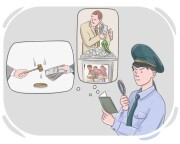
to reach an opinion or decision based on available evidence and one's understanding of the matter
wnioskować, wywnioskować
Zespół wywnioskował wydarzenia historyczne z artefaktów odkrytych podczas wykopalisk.

to emphasize a particular point or aspect
podkreślać, akcentować
Kierownik podkreślił zaangażowanie firmy w zadowolenie klientów na spotkaniu personelu.

to emphasize the importance of something by making it seem more noticeable
podkreślać, uwydatniać
W notatce menedżer podkreślił pilność zakończenia projektu do końca tygodnia.

to direct one's attention, energy, or efforts toward a particular goal, task, or objective
skupiać się na, koncentrować się na
Postanowiła skupić się na najważniejszych aspektach planu biznesowego.

to mention an idea, proposition, plan, etc. for further consideration or possible action
sugerować, proponować
Zaproponowała nowe podejście do rozwiązania problemu.

to cause or give rise to something
generować, wytwarzać
Innowacyjne badania wygenerowały nowe spojrzenie na leczenie raka.

to form a judgment on the quality, worth, nature, ability or importance of something, someone, or a situation
oceniać, osądzać
Analityk finansowy ocenia sprawozdania finansowe firmy, aby zapewnić porady inwestycyjne.
to create something by organizing and combining ideas or components in a logical and coherent way
konstruować, tworzyć
Naukowiec skonstruował hipotezę, starannie organizując istniejące teorie i dane eksperymentalne.

to calculate or judge the quality, value, significance, or effectiveness of something or someone
oceniać, osądzać
Lekarz ocenia objawy pacjenta, aby postawić diagnozę.

to carefully examine something and judge its value, often in terms of money or quality
oceniać, wyceniać
Rzeczoznawca ubezpieczeniowy ocenia szkody w samochodzie po wypadku.

to thoughtfully prepare or create something, paying close attention to its details
formułować, opracowywać
Na spotkaniu uczestnicy współpracowali, aby sformułować strategię realizacji projektu.
used to introduce the most important part of what is being said
szczególnie, zwłaszcza
Występ zespołu był wybitny, zwłaszcza w ich nienagannym wykonaniu końcowej gry.
used to give more specific information or examples regarding what has just been mentioned
mianowicie, to znaczy
Nowa polityka poruszyła różne kwestie, mianowicie bezpieczeństwo w miejscu pracy, dobrostan pracowników i zrównoważony rozwój środowiska.
used to specify or emphasize a particular aspect or detail within a broader context
w szczególności, szczególnie
Firma ceni pracę zespołową, ale szczególnie ceni indywidualną inicjatywę i kreatywność.
used to indicate that the speaker or writer is providing an exact or accurate version of something, often to clarify, specify, or emphasize a particular point

used to introduce additional information
ponadto, co więcej
Starożytne ruiny mają znaczenie historyczne; ponadto ich ochrona jest kluczowa.
