

pattern

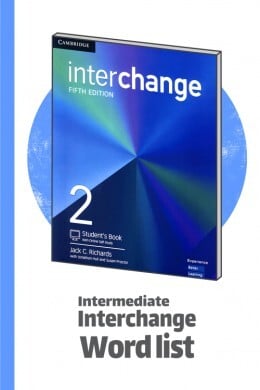
Le livre Interchange - Intermédiaire - Unité 1 - Partie 2

Ici, vous trouverez le vocabulaire de l'Unité 1 - Partie 2 du manuel Interchange Intermediate, comme "tragédie", "souffrir", "destin", etc.

Réviser

Flashcards

formes

Orthographe

Quiz

Commencer à apprendre
Interchange - Intermediate
painting

a picture created by paint

tableau

tableau

Ex: This painting captures the beauty of the night sky filled with stars .

Ce tableau capture la beauté du ciel nocturne rempli d'étoiles.

painter
painter
[nom]

an artist who paints pictures

peintre

peintre

Ex: The surrealist painter's works are filled with symbolism and unusual imagery .

Les œuvres du peintre surréaliste sont remplies de symbolisme et d'images inhabituelles.

talented
talented
[Adjectif]

possessing a natural skill or ability for something

talentueux

talentueux

Ex: The company is looking for talented engineers to join their team .

L'entreprise recherche des ingénieurs talentueux pour rejoindre leur équipe.

courage
courage
[nom]

the quality to face danger or hardship without giving in to fear

courage, bravoure

courage, bravoure

Ex: Overcoming fear requires both courage and determination .

Surmonter la peur nécessite à la fois du courage et de la détermination.

tragedy
tragedy
[nom]

an event causing great suffering, destruction, and distress, such as a natural disaster or a serious accident

tragédie, drame

tragédie, drame

Ex: The tragedy of the war affected millions .

La tragédie de la guerre a affecté des millions de personnes.

hope
hope
[nom]

a feeling of expectation and desire for a particular thing to happen or to be true

espoir

espoir

Ex: The discovery of a potential treatment gave hope to patients suffering from the disease .

La découverte d'un traitement potentiel a donné espoir aux patients souffrant de la maladie.

polio
polio
[nom]

a disabling and life-threatening disease that causes nerve injuries leading to permanent paralysis, happens mostly in children younger than five

polio

polio

Ex: Polio outbreaks declined after mass immunization .

Les épidémies de polio ont diminué après la vaccination de masse.

to develop
to develop
[verbe]

to change and become stronger or more advanced

se développer

se développer

Ex: As the disease progresses , symptoms may develop in more severe forms .

À mesure que la maladie progresse, les symptômes peuvent se développer sous des formes plus graves.

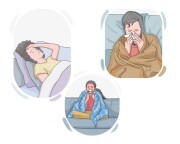
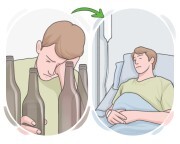
illness
illness
[nom]

the state of being physically or mentally sick

maladie

maladie

Ex: His sudden illness worried everyone in the office .

Sa maladie soudaine a inquiété tout le monde au bureau.

damaged
damaged
[Adjectif]

(of a person or thing) harmed or spoiled

endommagé, abîmé

endommagé, abîmé

Ex: The damaged reputation of the company led to decreased sales .

La réputation endommagée de l'entreprise a conduit à une baisse des ventes.

forever
forever
[Adverbe]

used to describe a period of time that has no end

pour toujours, toujours

pour toujours, toujours

Ex: Their bond felt forever, beyond the passage of time .

Leur lien semblait éternel, au-delà du passage du temps.

strong
strong
[Adjectif]

having a lot of physical power

fort, vigoureux

fort, vigoureux

Ex: The athlete 's strong legs helped him run faster .

Les jambes fortes de l'athlète l'ont aidé à courir plus vite.

destiny
destiny
[nom]

the events or situations that are predetermined or inevitable for a person, often believed to be controlled by a higher power

destin, destinée

destin, destinée

Ex: He embraced his destiny, ready for whatever lay ahead .

Il a embrassé son destin, prêt à affronter tout ce qui l'attendait.

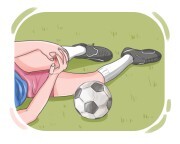
injury
injury
[nom]

any physical damage to a part of the body caused by an accident or attack

blessure

blessure

Ex: The soldier received an award for bravery after an injury in battle .

Le soldat a reçu une récompense pour bravoure après une blessure au combat.

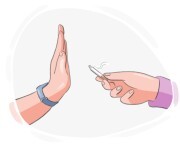
to refuse
to refuse
[verbe]

to say or show one's unwillingness to do something that someone has asked

refuser

refuser

Ex: He had to refuse the invitation due to a prior commitment .

Il a dû refuser l'invitation en raison d'un engagement antérieur.

alone
alone
[Adverbe]

without anyone else

seul

seul

Ex: I traveled alone to Europe last summer .

J'ai voyagé seul en Europe l'été dernier.

to suffer
to suffer
[verbe]

to experience and be affected by something bad or unpleasant

souffrir

souffrir

Ex: He suffered a lot of pain after the accident .

Il a souffert beaucoup de douleur après l'accident.

health
health
[nom]

the general condition of a person's mind or body

santé

santé

Ex: He decided to take a break from work to focus on his health and well-being .

Il a décidé de faire une pause dans son travail pour se concentrer sur sa santé et son bien-être.

rest
rest
[nom]

a part of something that is left

le reste, la partie restante

le reste, la partie restante

Ex: The team completed most of the project , but the rest will have to be finished tomorrow .

L'équipe a terminé la plupart du projet, mais le reste devra être terminé demain.

unusual
unusual
[Adjectif]

not commonly happening or done

inhabituel

inhabituel

Ex: The restaurant ’s menu features unusual dishes from around the world .

Le menu du restaurant propose des plats inhabituels du monde entier.

achievement

something that has been successfully done, particularly through hard work

réussite

réussite

Ex: Learning a new language fluently is a remarkable achievement that opens doors to new cultures .

Apprendre une nouvelle langue couramment est un exploit remarquable qui ouvre des portes à de nouvelles cultures.

marriage

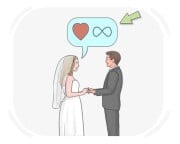
the formal and legal relationship between two people who are married

mariage

mariage

Ex: They exchanged vows in a beautiful ceremony to signify their marriage.

Ils ont échangé leurs vœux lors d'une belle cérémonie pour signifier leur mariage.

by far
by far
[Adverbe]

to a significant or notable degree beyond all others

de loin, largement

de loin, largement

Ex: By far, this project has been the most challenging .

De loin, ce projet a été le plus difficile.

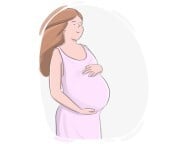
pregnant
pregnant
[Adjectif]

(of a woman or a female animal) carrying a baby inside one's body

enceinte, pleine, gravide

enceinte, pleine, gravide

Ex: Despite being pregnant with twins , Mary continued to work and maintain her daily routine .

Malgré le fait d'être enceinte de jumeaux, Mary a continué à travailler et à maintenir sa routine quotidienne.

unfortunately
unfortunately
[Adverbe]

used to express regret or say that something is disappointing or sad

malheureusement

malheureusement

Ex: Unfortunately, the company had to downsize , resulting in the layoff of several employees .

Malheureusement, l'entreprise a dû réduire ses effectifs, ce qui a entraîné le licenciement de plusieurs employés.

poor
poor
[Adjectif]

owning a very small amount of money or a very small number of things

pauvre

pauvre

Ex: Unforunately , the poor elderly couple relied on government assistance to cover their expenses .

Malheureusement, le pauvre couple âgé dépendait de l'aide gouvernementale pour couvrir ses dépenses.

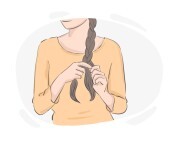
braid
braid
[nom]

a hairstyle created by interweaving three or more strands of hair into a patterned structure

tresse, natte

tresse, natte

Ex: The stylist added small beads to the ends of each braid.

Le styliste a ajouté de petites perles aux extrémités de chaque tresse.

thick
thick
[Adjectif]

having a long distance between opposite sides

épais

épais

Ex: The book 's cover is made from cardboard that 's half an inch thick, giving it durability .

La couverture du livre est en carton d'un demi-pouce d'épaisseur, ce qui lui confère une grande durabilité.

naturally
naturally
[Adverbe]

in accordance with what is logical, typical, or expected

naturellement

naturellement

Ex: Naturally, he was nervous before his big presentation .

Naturellement, il était nerveux avant sa grande présentation.

to notice
to notice
[verbe]

to pay attention and become aware of a particular thing or person

remarquer

remarquer

Ex: I noticed the time and realized I was late for my appointment .

J'ai remarqué l'heure et j'ai réalisé que j'étais en retard à mon rendez-vous.

beauty
beauty
[nom]

the quality of being attractive or pleasing, particularly to the eye

beauté

beauté

Ex: The beauty of the historic architecture drew tourists from around the world .

La beauté de l'architecture historique a attiré des touristes du monde entier.

to amaze
to amaze
[verbe]

to greatly surprise someone

étonner, stupéfier

étonner, stupéfier

Ex: The generosity of the donation amazed the charity workers .

La générosité du don a étonné les travailleurs de l'organisme de bienfaisance.

honesty
honesty
[nom]

the quality of behaving or talking in a way that is truthful and free of deception

honnêteté, sincérité

honnêteté, sincérité

Ex: Honesty about your feelings can strengthen personal connections .

Honnêteté à propos de vos sentiments peut renforcer les connexions personnelles.

originality

the quality or state of being new, creative, and unique, not copied from another thing

originalité

originalité

to destroy
to destroy
[verbe]

to cause damage to something in a way that it no longer exists, works, etc.

détruire

détruire

Ex: Right now , the construction work is actively destroying the natural habitat of some endangered species .

En ce moment, les travaux de construction détruisent activement l'habitat naturel de certaines espèces en voie de disparition.

attention

the act of taking notice of someone or something

attention

attention

Ex: She gave her full attention to the child who needed help .

Elle a accordé toute son attention à l'enfant qui avait besoin d'aide.

traditional
traditional
[Adjectif]

belonging to or following the methods or thoughts that are old as opposed to new or different ones

traditionnel

traditionnel

Ex: The company ’s traditional dress code requires formal attire , while other workplaces are adopting casual policies .

Le code vestimentaire traditionnel de l'entreprise exige une tenue formelle, tandis que d'autres lieux de travail adoptent des politiques décontractées.

to recognize

to know who a person or what an object is, because we have heard, seen, etc. them before

reconnaître

reconnaître

Ex: I recognized the song as soon as it started playing .

J'ai reconnu la chanson dès qu'elle a commencé à jouer.

LanGeek
Télécharger l'application LanGeek