
Cambridge IELTS 19 - Academic - Test 1 - Lecture - Passage 3 (3)
Apprenez le vocabulaire de la troisième partie du Cambridge IELTS 19 Academic, Test 1 Reading Passage 3, avec des mots et expressions utiles du texte.
Réviser
Flashcards
formes
Orthographe
Quiz

radio waves used as a medium for broadcasting television and radio programs

ondes
Les services d'urgence dépendent des ondes pour communiquer rapidement et efficacement.

to cause a change in a person, thing, etc.
affecter

a series of organized activities that are intended to achieve a particular goal
campagne
with regard to using language effectively and persuasively, often with the intention of influencing or impressing an audience
rhétoriquement, de manière rhétorique
L'orateur a posé la question rhétoriquement, sans attendre une réponse directe mais dans le but de faire passer un message.

persuasive in a way that captures attention or convinces effectively
irréfutable, convaincant
Le documentaire a présenté des preuves convaincantes pour étayer sa thèse centrale.
used to introduce a hypothetical or conditional situation that contrasts with reality, implying that regardless of whether a certain condition is fulfilled or not, the outcome or action mentioned will still occur
même si
Elle lui pardonnerait même si il ne s'excusait jamais.
to complete a task or project successfully
accomplir, réaliser
L'organisation a accompli la mise en place d'un programme de recyclage pour promouvoir la durabilité et réduire les déchets.
the limits within which something can be effective or applied
portée, étendue
intended or designed to improve or correct a bad or undesirable situation
correctif
Son professeur a fourni des commentaires correctifs pour l'aider à améliorer son écriture.
to present information or ideas in a particular way to shape perception or understanding
encadrer, structurer
to develop or train someone's mind, character, abilities, or taste
éduquer, élever
to make someone more aware or responsive to a particular issue, feeling, or situation
sensibiliser, rendre sensible
L'atelier est conçu pour sensibiliser les employés à la diversité en milieu de travail.
to lead one to believe or consider that something exists or is true
suggérer, laisser entendre
the quality of being useful or practical
utilité

a person who has extensive knowledge of or conducts serious study in a particular academic subject
spécialiste, savant, savante, intellectuel, intellectuelle, érudit, érudite
an observable fact, event, or situation, often unusual or not yet fully explained
phénomène, fait observable
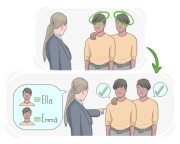
to recognize and mentally separate two things, people, etc.
distinguer
in a way that can be clearly shown or proven
manifestement, de manière démontrable
Ses compétences étaient manifestement supérieures à celles du reste de l'équipe.
to build something upon a certain foundation or principle, or to use it as a starting point for further growth or development
baser, fonder

to examine something carefully or systematically, especially in search of particular information
scruter, parcourir

with intense emotion, strong enthusiasm, or deep devotion
passionnément, avec passion
Il a passionnément défendu sa décision devant le conseil.
toward making progress or advancing in a particular area or goal
en avant, vers l'avant
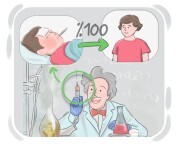
used to say that there is no doubt something is true or is the case
indubitablement, sans aucun doute
La nouvelle politique améliorera sans aucun doute l'efficacité du flux de travail.
requiring a lot of mental effort and hard work
ardu, difficile, laborieux
Construire une entreprise prospère à partir de rien est une entreprise ardue qui implique de surmonter de nombreux obstacles et revers.

relating to or based on theory or logical reasoning rather than practical experience or application
théorique
Un modèle théorique d'un atome utilise des hypothèses plutôt que des preuves.
the act of carefully thinking about something over a period of time
considération, réflexion
the act of keeping something in good condition or proper working condition
entretien, maintenance
acknowledgment or approval given to someone or something for their achievements, qualities, or actions
reconnaissance
used to refer to someone who shares similarities with one such as job, interest, etc. or is in the same situation
co-

to say that something is the case without providing proof for it
revendiquer
the state or quality of being important, well-known, or noticeable
célébrité, notoriété

in a manner indicating a lack of quantity or quality
insuffisamment, de manière insuffisante
Il était insuffisamment formé pour les exigences du poste.

general agreement among the members of a group
consensus

to begin to exist or become noticeable
survenir, apparaître
the quality of being capable of making mistakes or being wrong
fallibilité, imperfection
Nous devons reconnaître la faillibilité de nos dirigeants et les tenir pour responsables.
organized so that all parts work together effectively
coordonné

referring to a single item or entity
singulier, unique
Sa concentration singulière sur le projet a assuré son succès.
(of things) having had a certain state or condition in the past
ancien, d'autrefois
L'ancien modèle de voiture emblématique n'est plus en production.
something imagined to solve all problems
panacée
Il considérait l'éducation comme une panacée contre l'inégalité.
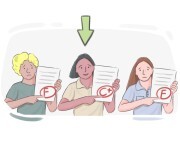
to a specific degree, particularly when compared to other similar things
relativement
Elle s'est rétablie relativement rapidement après l'opération.
in a manner that refers to the essential aspects of something
fondamentalement, essentiellement
En physique, comprendre les principes fondamentaux de base du mouvement est essentiel pour saisir des concepts plus complexes.

to cause something to change
changer, modifier

to give a brief description of something excluding the details
exposer

to officially start a legal process against someone, often with a document
délivrer

to make something easier or less complex to understand, do, etc.
simplifier
La mise à jour du logiciel visait à simplifier l'interface utilisateur pour une expérience plus conviviale.
an organized group of people who work together for a specific purpose, especially in a formal or official role
organisme, corps

in an exact way, often emphasizing correctness or clarity
précisement, exactement
Elle est arrivée précisément à 10 heures.

separate and different in a way that is easily recognized
distinct
Les deux cultures ont des coutumes et des traditions distinctes, malgré leur proximité géographique.
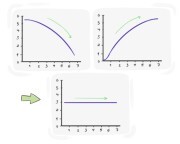
remaining unchanged and stable in degree, amount, or condition
constant, incessant
a disagreement or argument over something important
désaccord, différend, mésentente
relating to or involving scientific experiments, especially those designed to test hypotheses or explore new ideas
expérimental
Le médicament expérimental a montré des résultats prometteurs dans les premiers essais cliniques pour le traitement du cancer.
a lack of belief or confidence in the truth or honesty of something or someone
méfiance, défiance
Il y avait une méfiance générale à l'égard des promesses du politicien.

happening or being done often or at short intervals
fréquent, fréquents
a mental process or activity that involves performing tasks such as thinking, analyzing, or problem-solving
opération, processus mental

causing doubt or suspicion
douteux, suspect
La qualité douteuse du produit a conduit à de nombreux retours.
to suggest that something is probable or certain
porter à croire que, suggérer
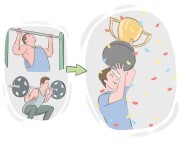
to finally accomplish a desired goal after dealing with many difficulties
atteindre, accomplir

to strongly disagree with a policy, plan, idea, etc. and try to prevent or change it
s’opposer à
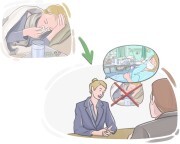
to describe something better, larger, worse, etc. than it truly is
exagérer, amplifier
Son récit est divertissant, mais il a tendance à exagérer les détails pour un effet dramatique.
a process of change or development that happens over time
parcours, voyage
the ability to access, understand, and critically evaluate media content, recognizing its influence and potential bias
l'éducation aux médias, la littératie médiatique
Les écoles enseignent l'éducation aux médias pour aider les élèves à réfléchir de manière critique aux actualités.

to take part in or become involved with something actively
participer, s'impliquer
a doubting or questioning attitude towards ideas, beliefs, or claims that are generally accepted
scepticisme
Le scepticisme du scientifique l'a incité à mener d'autres expériences pour vérifier les résultats.
