pattern

Cambridge IELTS 19 - Academic - Test 1 - Reading - Passage 3 (3)

Here you can find the vocabulary from Test 1 - Reading - Passage 3 (3) in the Cambridge IELTS 19 - Academic coursebook, to help you prepare for your IELTS exam.

Review

Flashcards

Forms

Spelling

Quiz
Start learning
Cambridge IELTS 19 - Academic
airwaves
airwaves
[noun]

radio waves used as a medium for broadcasting television and radio programs

Ex: The local radio station broadcasts its programs over the airwaves. 
Close
Sign in
to affect
to affect
[Verb]

to cause a change in a person, thing, etc.

Ex: The sudden loss of her job profoundly affected her emotional well-being. 
Close
Sign in
campaign
campaign
[noun]

a series of organized activities that are intended to achieve a particular goal

Ex: The presidential campaign included rallies, debates, and advertising across the country. 
Close
Sign in
rhetorically
rhetorically
[Adverb]

with regard to using language effectively and persuasively, often with the intention of influencing or impressing an audience

Ex: The advertisement appealed rhetorically to consumers' emotions, urging them to make a purchase. 
Close
Sign in
compelling
compelling
[Adjective]

persuasive in a way that captures attention or convinces effectively

Ex: The speaker delivered a compelling argument that persuaded many to change their views. 
Close
Sign in
even if
even if
[conjunction]

used to introduce a hypothetical or conditional situation that contrasts with reality, implying that regardless of whether a certain condition is fulfilled or not, the outcome or action mentioned will still occur

Ex: Even if it rains tomorrow, we will still have the picnic. 
Close
Sign in
to accomplish

to complete a task or project successfully

Ex: The team worked collaboratively to accomplish the deployment of a new website with enhanced features and functionality. 
Close
Sign in
reach
reach
[noun]

the limits within which something can be effective or applied

Ex: The medicine works within the reach of certain conditions. 
Close
Sign in
corrective
corrective
[Adjective]

intended or designed to improve or correct a bad or undesirable situation

Ex: The corrective action plan addressed the issues identified in the audit. 
Close
Sign in
to frame
to frame
[Verb]

to present information or ideas in a particular way to shape perception or understanding

Ex: She framed her argument with compelling evidence and persuasive reasoning to convince the jury. 
Close
Sign in
to educate

to foster mental, moral, or aesthetic development

Ex: Parents have a responsibility to educate their children about the importance of environmental conservation. 
Close
Sign in
to sensitize

to make someone more aware or responsive to a particular issue, feeling, or situation

Ex: The campaign aims to sensitize the public about climate change. 
Close
Sign in
to suggest

to lead one to believe or consider that something exists or is true

Ex: The dark clouds and distant rumble of thunder suggested an approaching storm. 
Close
Sign in
utility
utility
[noun]

the quality of being useful when applied

Close
Sign in
scholar
scholar
[noun]

someone who has a lot of knowledge about a particular subject, especially in the humanities

Ex: The conference featured a renowned scholar who spoke about ancient Greek philosophy. 
Close
Sign in
phenomenon

an observable fact, event, or situation, often unusual or not yet fully explained
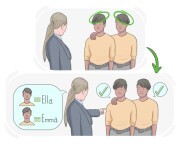
Ex: Northern lights are a spectacular natural phenomenon. 
Close
Sign in
to distinguish

to recognize and mentally separate two things, people, etc.

Ex: The detective could distinguish the authentic painting from the clever forgery. 
Close
Sign in
demonstrably
demonstrably
[Adverb]

in a way that can be clearly shown or proven

Ex: The experiment demonstrably supported the hypothesis. 
Close
Sign in
to base
to base
[Verb]

to build something upon a certain foundation or principle, or to use it as a starting point for further growth or development

Ex: The new policy is based on the principles of transparency and accountability. 
Close
Sign in
to scan
to scan
[Verb]

to examine something or someone very carefully and thoroughly

Ex: The auditor scans the financial records to detect any discrepancies. 
Close
Sign in
passionately
passionately
[Adverb]

with intense emotion, strong enthusiasm, or deep devotion

Ex: She spoke passionately about the need for climate action. 
Close
Sign in
forward
forward
[Adverb]

toward making progress or advancing in a particular area or goal
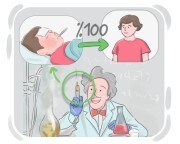
Ex: Their dedication moved the initiative forward despite the setbacks. 
Close
Sign in
undoubtedly
undoubtedly
[Adverb]

used to say that there is no doubt something is true or is the case

Ex: She is undoubtedly the best candidate for the job, given her experience and skills. 
Close
Sign in
arduous
arduous
[Adjective]

requiring a lot of mental effort and hard work

Ex: Writing a novel can be an arduous process, requiring long hours of focused concentration and creativity. 
Close
Sign in
theoretical
theoretical
[Adjective]

relating to or based on theory or logical reasoning rather than practical experience or application

Ex: Urban planners relied heavily on theoretical models of traffic flow without real-world validation. 
Close
Sign in
consideration

the act of carefully thinking about something over a period of time

Ex: After much consideration, she decided to accept the job offer that aligned with her career goals. 
Close
Sign in
maintenance

the act of keeping something in good condition or proper working condition

Ex: Regular maintenance extends the life of a car. 
Close
Sign in
recognition

acknowledgment or approval given to someone or something for their achievements, qualities, or actions

Ex: Her hard work and dedication earned her recognition from her peers. 
Close
Sign in
fellow
fellow
[Adjective]

used to refer to someone who shares similarities with one such as job, interest, etc. or is in the same situation

Ex: As fellow members of the book club, they often gathered to discuss their favorite novels. 
Close
Sign in
to claim
to claim
[Verb]

to say that something is the case without providing proof for it

Ex: The controversial article regularly claims that a UFO sighting occurred last night. 
Close
Sign in
prominence

the state or quality of being important, well-known, or noticeable

Close
Sign in
insufficiently

in a manner indicating a lack of quantity or quality

Ex: The report was insufficiently detailed to support their conclusions. 
Close
Sign in
consensus
consensus
[noun]

an agreement reached by all members of a group

Ex: The team reached a consensus on the new project timeline after extensive discussions. 
Close
Sign in
to arise
to arise
[Verb]

to begin to exist or become noticeable

Ex: Unexpected challenges can arise during the course of a project, requiring swift problem-solving. 
Close
Sign in
fallibility

the quality of being capable of making mistakes or being wrong

Ex: His fallibility was evident when he admitted to making a mistake. 
Close
Sign in
coordinated
coordinated
[Adjective]

functioning as a unified unit, with various parts or elements working together harmoniously

Ex: The team's coordinated efforts resulted in a successful completion of the project ahead of schedule. 
Close
Sign in
singular
singular
[Adjective]

referring to a single item or entity

Ex: As the singular heir to the estate, he inherited everything. 
Close
Sign in
one-time
one-time
[Adjective]

(of things) having had a certain state or condition in the past

Ex: The onetime headquarters of the company is now a museum. 
Close
Sign in
panacea
panacea
[noun]

something imagined to solve all problems
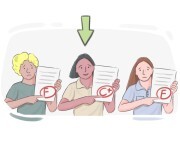
Ex: Technology is not a panacea for all social problems. 
Close
Sign in
relatively
relatively
[Adverb]

to a specific degree, particularly when compared to other similar things

Ex: The test was relatively easy compared to the last one. 
Close
Sign in
fundamentally

in a manner that refers to the essential aspects of something

Ex: The success of a healthy relationship is fundamentally built on trust, communication, and mutual respect. 
Close
Sign in
to alter
to alter
[Verb]

to cause something to change

Ex: New technologies can greatly alter the way we live and communicate. 
Close
Sign in
to outline

to give a brief description of something excluding the details

Ex: Before writing the essay, the student outlined the main ideas to organize the structure. 
Close
Sign in
to issue
to issue
[Verb]

to officially start a legal process against someone, often with a document

Ex: The court issued a warrant for his arrest. 
Close
Sign in
to simplify

to make something easier or less complex to understand, do, etc.

Ex: The teacher simplified the math problem to help the students grasp the concept. 
Close
Sign in
body
body
[noun]

an organized group of people who work together for a specific purpose, especially in a formal or official role

Ex: The decision was made by a governing body of experts. 
Close
Sign in
precisely
precisely
[Adverb]

in an exact way, often emphasizing correctness or clarity

Ex: The coordinates were entered precisely to ensure accurate navigation. 
Close
Sign in
distinct
distinct
[Adjective]

separate and different in a way that is easily recognized
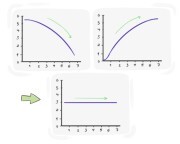
Ex: The twins may look similar, but they have distinct personalities that set them apart. 
Close
Sign in
constant
constant
[Adjective]

remaining unchanged and stable in degree, amount, or condition

Ex: The air conditioner maintained a constant temperature throughout the night. 
Close
Sign in
conflict
conflict
[noun]

a disagreement or argument over something important

Ex: She avoided conflict by compromising early. 
Close
Sign in
experimental
experimental
[Adjective]

relating to or involving scientific experiments, especially those designed to test hypotheses or explore new ideas

Ex: The experimental study investigated the effects of meditation on stress levels. 
Close
Sign in
distrust
distrust
[noun]

a lack of belief or confidence in the truth or honesty of something or someone

Ex: His distrust of the information led him to seek other sources. 
Close
Sign in
frequent
frequent
[Adjective]

done or happening regularly

Ex: She made frequent trips to the gym to maintain her fitness. 
Close
Sign in
operation
operation
[noun]

a mental process or activity that involves performing tasks such as thinking, analyzing, or problem-solving
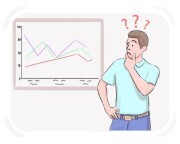
Ex: The operation of logic allows us to make sound decisions. 
Close
Sign in
dubious
dubious
[Adjective]

causing doubt or suspicion

Ex: His dubious explanation for being late didn’t seem believable. 
Close
Sign in
to point
to point
[Verb]

to suggest that something is probable or certain

Ex: The dark clouds point to the likelihood of rain later in the day. 
Close
Sign in
to achieve

to finally accomplish a desired goal after dealing with many difficulties
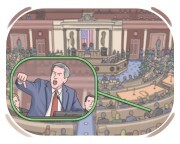
Ex: After years of hard work and dedication, she finally achieved her dream of becoming a published author. 
Close
Sign in
to oppose
to oppose
[Verb]

to strongly disagree with a policy, plan, idea, etc. and try to prevent or change it
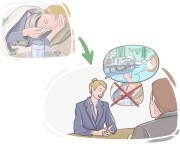
Ex: The local residents opposed the construction of the new factory due to environmental concerns. 
Close
Sign in
to exaggerate

to describe something better, larger, worse, etc. than it truly is

Ex: She tends to exaggerate her accomplishments on her resume to make herself stand out. 
Close
Sign in
journey
journey
[noun]

a process of change or development that happens over time

Ex: The journey to success requires hard work and patience. 
Close
Sign in
media literacy

the ability to access, understand, and critically evaluate media content, recognizing its influence and potential bias

Ex: Media literacy helps people understand the messages behind advertisements. 
Close
Sign in
to engage
to engage
[Verb]

to take part in or become involved with something actively

Ex: Students should engage in class discussions to enhance their learning. 
Close
Sign in
skepticism

a doubting or questioning attitude towards ideas, beliefs, or claims that are generally accepted

Ex: Her skepticism about the new diet fad led her to research its effectiveness before trying it. 
Close
Sign in
LanGeek
Download LanGeek app