
Liste de Mots Niveau C1 - Ne pas étre dans son Assiette
Ici, vous apprendrez quelques mots anglais sur la maladie, tels que "agonie", "étourdissement", "asthme", etc., préparés pour les apprenants de niveau C1.
Réviser
Flashcards
Orthographe
Quiz

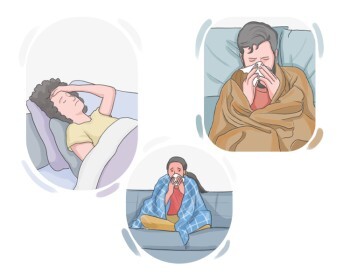
an illness, often a minor one

affection, maladie
Le remède à base de plantes a soulagé les maux mineurs comme les maux de tête et les rhumes.
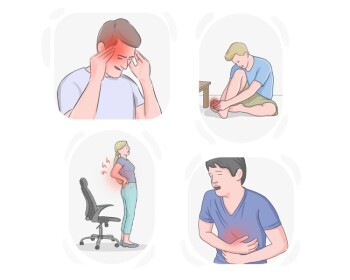
severe physical or mental pain
torture
La souffrance mentale d'attendre les résultats des tests peut être accablante.

a recognizable group of signs and symptoms that occur together and characterize a particular medical condition
syndrome
extremely severe, intense, or serious
aigu

(of an illness) difficult to cure and long-lasting
chronique
La dépression chronique de David affecte son humeur et son niveau d'énergie au quotidien.
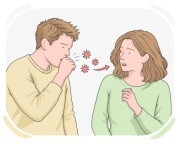
(of a disease) transmittable from one person to another through close contact
contagieux
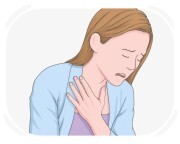
unable to breathe easily
essoufflé, à bout de souffle
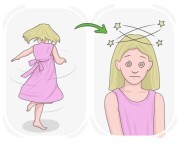
unable to keep one's balance and feeling as though everything is circling around one, caused by an illness or looking down from a high place
avoir la tête qui tourne, pris de vertige
Le mal des transports peut rendre les voyageurs étourdis et nauséeux pendant les longs trajets en voiture.
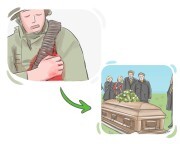
resulting in death
fatal, mortel
Le patient a souffert d'une crise cardiaque fatale et n'a pas pu être réanimé par l'équipe médicale.
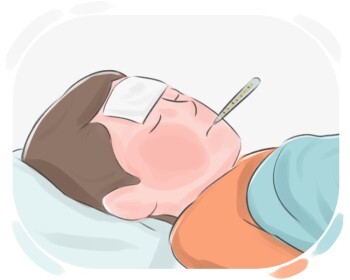
having or caused by a fever
fiévreux
L'enfant était agité et fiévreux toute la nuit à cause d'une infection virale.
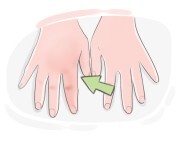
(of a part of the body) unusually large, particularly because of an injury or illness
enflé, gonflé
Ses yeux étaient gonflés d'avoir pleuré pendant des heures.
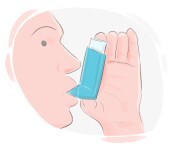
a disease that causes shortness of breath and difficulty in breathing
asthme
Les symptômes de l'asthme comprennent une respiration sifflante, une toux, une oppression thoracique et un essoufflement.
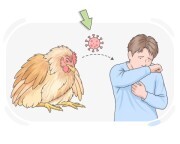
a dangerous disease among birds, especially poultry, that can be transmitted to humans and sometimes kill them
grippe aviaire

an infectious disease caused by a type of virus called coronavirus that causes fever, tiredness, a cough, etc., and in some cases can kill, originated in China and later became a pandemic
Covid-19
Les symptômes du COVID-19 peuvent aller de problèmes respiratoires légers à une pneumonie sévère et un syndrome de détresse respiratoire aiguë (SDRA).
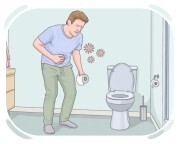
a medical condition in which body waste turns to liquid and comes out frequently
diarrhée
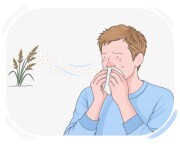
an illness that causes a runny nose and watery eyes, caused by dust from plants that come into the body through the air
rhume des foins
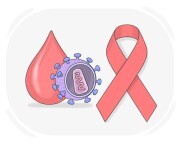
human immunodeficiency virus, a virus that attacks the immune system and can lead to AIDS if untreated
VIH
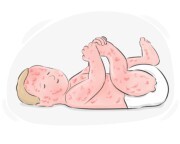
a contagious disease that causes high fever and small red spots on the body, common in children
rougeole
Les symptômes de la rougeole comprennent une forte fièvre, une toux, un écoulement nasal et une éruption cutanée rouge caractéristique.
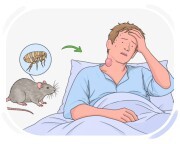
a dangerous disease spread by rats that causes fever and swellings, often kills if infected
peste
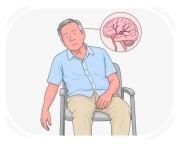
a dangerous condition in which a person loses consciousness as a result of a blood vessel breaking open or becoming blocked in their brain, which could kill or paralyze a part of their body
accident vasculaire cérébral
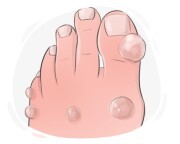
a swollen area on the skin filled with liquid, caused by constant rubbing or by burning
ampoule, cloque
Les ampoules peuvent varier en taille et sont souvent remplies de liquide clair, bien qu'elles puissent aussi contenir du sang ou du pus si elles sont infectées.
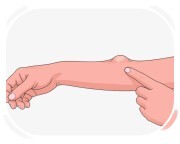
a swelling or hard mass in or on the body, especially one caused by illness or injury
grosseur, protubérance, bosse, tumeur
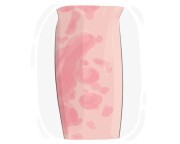
a part of one's skin covered with red spots, which is usually caused by a sickness or an allergic reaction
rougeurs, éruption
Les éruptions cutanées peuvent être causées par divers facteurs tels que des réactions allergiques, des infections, des médicaments ou des conditions médicales sous-jacentes.
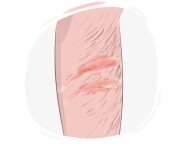
a mark that is left on one's skin after a wound or cut has healed
cicatrice, balafre
Les cicatrices peuvent varier en apparence, de plates et pâles à surélevées et rouges, selon le type de blessure et le processus de guérison individuel.
an area of one's body that has become unusually larger, caused by an injury or sickness
enflure, gonflement
Les causes courantes de gonflement comprennent les entorses, les fractures, les piqûres d'insectes et les réactions allergiques.
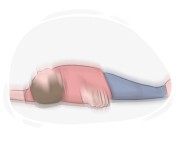
a situation in which a person suddenly falls down or loses consciousness because of tiredness or an illness
évanouissement, malaise

a feeling of extreme tiredness that is usually caused by physical or mental overwork or exercise
fatigue, épuisement
Les causes courantes de fatigue comprennent le manque de sommeil, une activité physique prolongée, le stress et certaines conditions médicales comme l'anémie ou les troubles thyroïdiens.
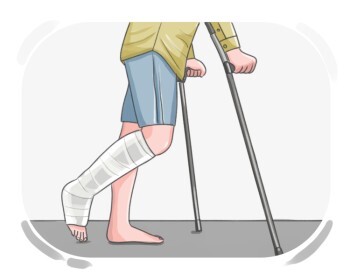
a crack or break in a bone or other hard substance
fracture
Les fractures peuvent survenir en raison d'un traumatisme, comme des chutes, des blessures sportives ou des accidents de voiture, ainsi que d'une surutilisation ou d'une fragilisation des os.
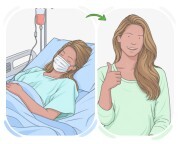
to regain health after an illness or become successful again after facing difficulties
se remettre vite, se rétablir rapidement
Le marché a rebondi après une baisse temporaire.

to state that one feels ill or one's body part is in pain
se plaindre de
to lose consciousness for a short time, especially because of heat, pain, shock, or weakness
s'évanouir
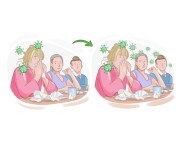
to transmit a disease to a person, animal, or plant
infecter, contaminer
Les insectes, comme les moustiques, peuvent infecter les humains avec diverses maladies à travers leurs piqûres.

someone who cannot stop taking, using, or smoking a substance
accro
Elle était autrefois une grande fumeuse, mais maintenant elle est une toxicomane en voie de rétablissement, déterminée à mener une vie plus saine.
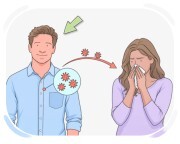
a person or animal that carries an infectious agent without showing symptoms and can transmit it to others
porteur
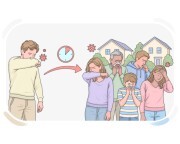
the rapid spread of an infectious disease within a specific population, community, or region, affecting a significant number of individuals at the same time
épidémie
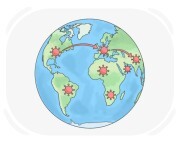
a disease that spreads across a large region or even across the world
pandémie
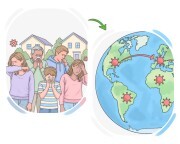
the unexpected start of something terrible, such as a disease
épidémie
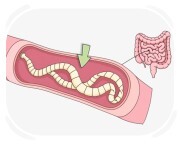
(biology) a small organism that lives on or inside another organism, called a host, and is dependent on it for nutrition and growth
parasite
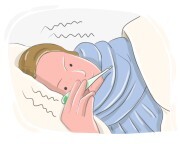
a brief involuntary shaking movement caused by cold, fear, illness, or strong emotion
frisson, tremblement
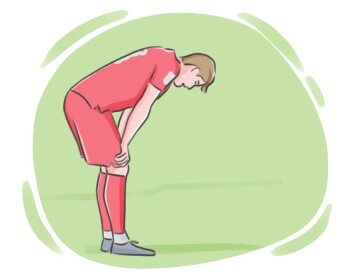
exhausted because of too much physical work
épuisé, éreinté, crevé, vanné, lessivé, vidé
Les vieilles chaussures étaient si usées que les semelles avaient des trous, les rendant impropres à une utilisation ultérieure.
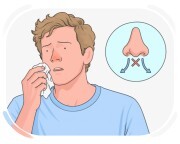
having difficulty breathing through one's nose, often due to a cold or allergy
bouché, congestionné
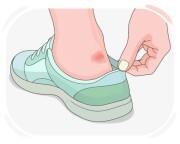
(of a body part) to become sore or irritated due to being rubbed against something
gratter
