


pattern

SAT Szókincs Készségek 3 - 16. lecke

Áttekintés

Villámkártyák

Betűzés

Kvíz

Indítsa el a tanulást
SAT Word Skills 3
diacritical
diacritical
[melléknév]

having the capacity to distinguish

diakritikus, megkülönböztető

diakritikus, megkülönböztető

diaphanous
diaphanous
[melléknév]

extremely light, delicate, and often see-through

áttetsző, könnyű

áttetsző, könnyű

Ex: The bride wore a veil of diaphanous lace that shimmered in the sunlight. 
diatomic
diatomic
[melléknév]

(of molecules) having two atoms with the same or different elements

diatomikus

diatomikus

diatribe
diatribe
[Főnév]

a harsh and severe criticism or verbal attack that is aimed toward a person or thing

diatriba, éles kritika

diatriba, éles kritika

Ex: The article was a diatribe against the new government policy. 
diabolic
diabolic
[melléknév]

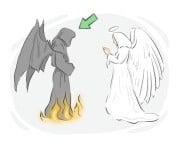
related to evil characteristics such as cruelty

ördögi

ördögi

incongruous
incongruous
[melléknév]

peculiar and not like what is considered suitable or appropriate for a situation

helytelen, furcsa

helytelen, furcsa

Ex: The bright red dress was incongruous at the somber funeral. 
inconsequential
inconsequential
[melléknév]

lacking significance or importance

jelentéktelen, lényegtelen

jelentéktelen, lényegtelen

Ex: The typo in the report was inconsequential and did not affect the overall message. 
inconspicuous
inconspicuous
[melléknév]

not easily seen, noticed, or attracting attention

észrevehetetlen, feltűnésmentes

észrevehetetlen, feltűnésmentes

Ex: He tried to remain inconspicuous by sitting at the back of the room. 
interpreter
interpreter
[Főnév]

someone who verbally changes the words of a language into another

tolmács, szóbeli fordító

tolmács, szóbeli fordító

Ex: She hired an interpreter to assist with the business meeting in a foreign country. 
to interrogate

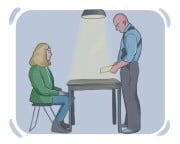
to question someone in an aggressive way for a long time in order to get information

kihallgat

kihallgat

Ex: The detective decided to interrogate the suspect to uncover details about the crime. 
to coerce

to force someone to do something through threats or manipulation

kényszerít, erőszakol

kényszerít, erőszakol

Ex: The criminal coerced the witness into changing their testimony through intimidation. 
coercion
coercion
[Főnév]

the act of compelling someone to act against their will by using force or threats

kényszerítés, erőszakoskodás

kényszerítés, erőszakoskodás

Ex: The confession was obtained through coercion, not free will. 
to mar
to mar
[ige]

to ruin the perfection of something

tönkretesz, rombol

tönkretesz, rombol

marred
marred
[melléknév]

flawed because of a damage or excessive use

sérült, hibás

sérült, hibás

refusal
refusal
[Főnév]

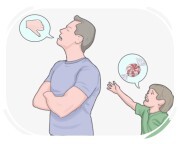
the act of rejecting or saying no to something that has been offered or requested

visszautasítás, tagadás

visszautasítás, tagadás

Ex: His refusal to apologize made the situation worse. 
to refute

to reject or deny a statement or accusation by using an argument or evidence

cáfol, megcáfol

cáfol, megcáfol

Ex: The spokesperson refuted the rumors during the press conference. 
refutation
refutation
[Főnév]

the act of showing that someone or something is wrong by using an argument or evidence

cáfolat, megcáfolás

cáfolat, megcáfolás

assonance
assonance
[Főnév]

the use of similar vowels close to each other in nonrhyming syllables as a literary device

asszonancia, magánhangzó ismétlés

asszonancia, magánhangzó ismétlés

Ex: The poet used assonance to create a melodic effect in the verse. 
assonant
assonant
[melléknév]

having an identical vowel combined with different consonants in words, often for poetic purposes

asszonáns, hangzó

asszonáns, hangzó

to assonate

to have a close similarity in sounds, particularly vowels

asszonálni,  hangzásban közeli hasonlóságot mutatni

asszonálni, hangzásban közeli hasonlóságot mutatni

LanGeek
LanGeek alkalmazás letöltése