pattern

Dovednosti s SAT Slovy 3 - Lekce 16

Revize

Kartičky

tvary

Pravopis

Kvíz

Začněte se učit
SAT Word Skills 3
diacritical
diacritical
[Přídavné jméno]

having the capacity to distinguish

diakritický, rozlišovací

diakritický, rozlišovací

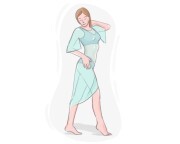
diaphanous
diaphanous
[Přídavné jméno]

extremely light, delicate, and often see-through

průhledný, jemný

průhledný, jemný

Ex: The ballerina 's diaphanous costume accentuated her graceful movements on stage .

Průsvitný kostým baletky zdůrazňoval její půvabné pohyby na jevišti.

diatomic
diatomic
[Přídavné jméno]

(of molecules) having two atoms with the same or different elements

dvojatomový

dvojatomový

diatribe
diatribe
[Podstatné jméno]

a harsh and severe criticism or verbal attack that is aimed toward a person or thing

diatriba, ostrá kritika

diatriba, ostrá kritika

Ex: The speech turned into a diatribe against the opposition party .

Projev se změnil v diatribu proti opoziční straně.
diabolic
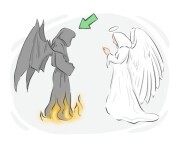
diabolic
[Přídavné jméno]

related to evil characteristics such as cruelty

ďábelský

ďábelský

incongruous
incongruous
[Přídavné jméno]

peculiar and not like what is considered suitable or appropriate for a situation

nevhodný, podivný

nevhodný, podivný

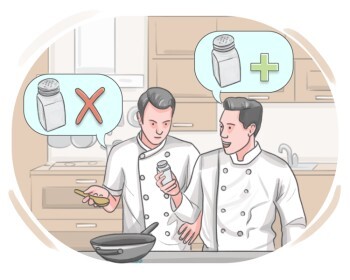
Ex: The modern art piece looked incongruous in the traditional setting of the antique gallery .

Moderní umělecké dílo vypadalo nepřiměřeně v tradičním prostředí starožitné galerie.
inconsequential
inconsequential
[Přídavné jméno]

lacking significance or importance

bezvýznamný, nedůležitý

bezvýznamný, nedůležitý

Ex: The argument seemed inconsequential, as it had no bearing on the larger issue at hand .

Argument se zdál bezvýznamný, protože neměl žádný vliv na větší problém, který byl řešen.

inconspicuous
inconspicuous
[Přídavné jméno]

not easily seen, noticed, or attracting attention

nepovšimnutý, nepozoruhodný

nepovšimnutý, nepozoruhodný

Ex: He slipped out of the meeting in an inconspicuous manner .

Vyklouzl ze schůze nepozorovaně.

interpreter
interpreter
[Podstatné jméno]

someone who verbally changes the words of a language into another

tlumočník, ústní překladatel

tlumočník, ústní překladatel

Ex: The tourist guide acted as an interpreter for the group in the foreign country .

Turistický průvodce působil jako tlumočník pro skupinu v cizí zemi.
to interrogate

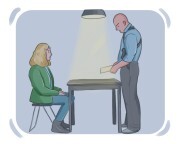
to question someone in an aggressive way for a long time in order to get information

vyslýchat

vyslýchat

Ex: The investigator spent hours interrogating the suspect to unravel the motives behind the incident .

Vyšetřovatel strávil hodiny výslechem podezřelého, aby odhalil motivy incidentu.

to coerce
to coerce
[sloveso]

to force someone to do something through threats or manipulation

nutit, donutit

nutit, donutit

Ex: The manager is coercing employees to work longer hours without proper compensation .

Manažer nutí zaměstnance pracovat déle bez řádné kompenzace.

coercion
coercion
[Podstatné jméno]

the act of compelling someone to act against their will by using force or threats

nátlak, donucení

nátlak, donucení

Ex: Laws exist to protect individuals from financial or psychological coercion.

Zákony existují, aby chránily jednotlivce před finančním nebo psychologickým nátlakem.
to mar
to mar
[sloveso]

to ruin the perfection of something

zkazit, zničit

zkazit, zničit

marred
marred
[Přídavné jméno]

flawed because of a damage or excessive use

poškozený, vadný

poškozený, vadný

refusal
refusal
[Podstatné jméno]

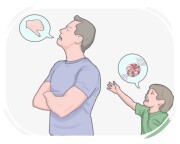
the act of rejecting or saying no to something that has been offered or requested

odmítnutí, popření

odmítnutí, popření

Ex: He expressed his refusal with a firm " no . "

Vyjádřil své odmítnutí pevným "ne".

to refute
to refute
[sloveso]

to reject or deny a statement or accusation by using an argument or evidence

vyvrátit, popřít

vyvrátit, popřít

Ex: The lawyer refuted the charges by presenting conflicting evidence .

Právník vyvrátil obvinění předložením protichůdných důkazů.

refutation
refutation
[Podstatné jméno]

the act of showing that someone or something is wrong by using an argument or evidence

vyvrácení, popření

vyvrácení, popření

assonance
assonance
[Podstatné jméno]

the use of similar vowels close to each other in nonrhyming syllables as a literary device

asonance, opakování samohlásek

asonance, opakování samohlásek

Ex: His writing style features assonance to add harmony to his prose .

Jeho styl psaní se vyznačuje asonancí, aby dodal harmonii jeho próze.

assonant
assonant
[Přídavné jméno]

having an identical vowel combined with different consonants in words, often for poetic purposes

asonanční, souzvukový

asonanční, souzvukový

to assonate
to assonate
[sloveso]

to have a close similarity in sounds, particularly vowels

asonovat,  mít blízkou podobnost v zvucích

asonovat, mít blízkou podobnost v zvucích

LanGeek
Stáhnout aplikaci LanGeek