
Állatok - Főemlősök
Itt megtanulhatod a főemlősök angol nevét, mint például a "majom", "emberszabású majom" és a "gorilla".
Áttekintés
Villámkártyák
Betűzés
Kvíz

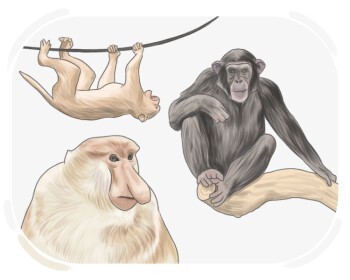
a playful and intelligent animal that has a long tail and usually lives in trees and warm countries

majom, makákó
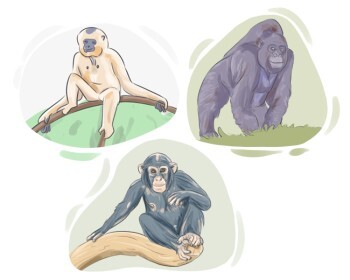
a tailless animal similar to a monkey, such as chimpanzees and gorillas
majom, emberalakú majom
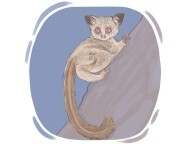
a small nocturnal primate with long tail and very large eyes that lives on trees and is native to Africa
galagó, bushbaby
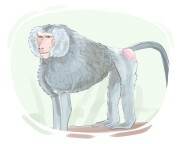
a large monkey with a doglike face and large teeth, native to Africa and South Asia
pávián, mandrill

a large ape with a red coat and long arms that lives in the rainforests of Southeast Asia, the male of which develops a throat pouch
orangután, erdei ember
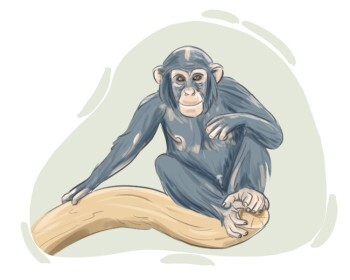
an intelligent ape, with mainly black fur, which has no tail and is native to the forests of western and central Africa
csimpánz, emberalakú majom
a small ape with long powerful arms and no tail that climbs trees, inhabiting subtropical forests of south-east Asia
gibbon, fark nélküli majom
a small nocturnal primate that has a short tail and moves very slowly, living in the rainforests of Africa
potto, kis éjszakai főemlős
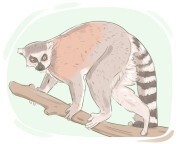
a large-eyed primate with a pointed snout and long ringed tail that is originally from the island of Madagascar
lemur, maki
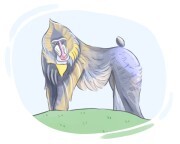
a primate species native to central and western Africa, known for its distinctive colorful face and impressive size
mandrill, drill
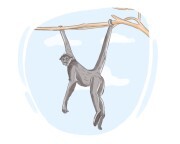
a primate species with a slender body, long limbs, and a prehensile tail, known for its exceptional agility and acrobatic behaviors in the trees of Central and South American rainforests
pókmajom, atelesz
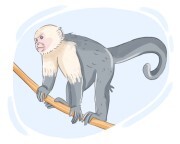
a type of primate known for its distinctive appearance, including a tuft of hair on its head
kapucinus
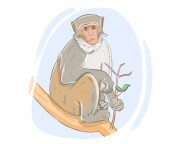
a medium-sized primate species known for its distinctive red-brown fur, long tail, and prominent facial features
rezusmajom, hosszúfarkú makákó
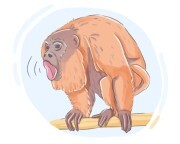
a species of New World monkey recognized for its loud vocalizations, prehensile tail, and distinctive appearance
ordító majom, howler majom
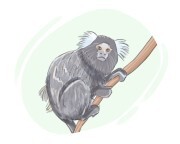
a small, tree-dwelling primate known for its diminutive size, unique appearance, and social behavior, native to South America
marmoszet, kis majom

a small New World monkey species native to the rainforests of Brazil, known for its striking golden-orange fur
arany marmoset, arany majom

a large, arboreal primate found in South American rainforests, known for its shaggy fur, social behavior, and herbivorous diet
gyapjasmajom, szőrös majom
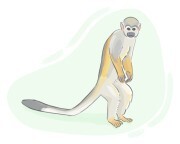
a small, agile primate found in the forests of Central and South America, known for its lively and social behavior, large eyes, and distinctively colored fur
mókusmajom, saimiri
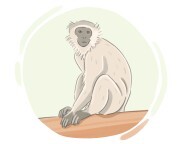
a medium-sized Old World monkey with a colorful coat, distinct facial markings, and known for its social behavior and adaptability in various African habitats
vervet majom, zöld majom
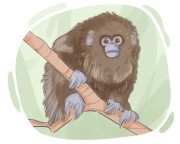
a small to medium-sized New World monkey known for its long, fluffy tail, soft fur, and often monogamous social structure
titi majom, titi
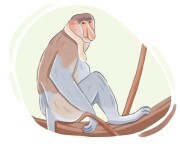
a primate species native to Borneo, characterized by its large, pendulous nose, reddish-brown coat in males, and arboreal lifestyle
orrormányos majom, hosszú orrú majom
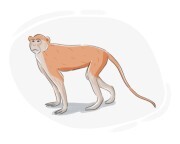
a species of primate found in West Africa, known for its reddish coat, long tail, and distinctive facial markings
huszár majom, huszármajom

a primate species, typically found in Central and South America, with a green coat of fur
zöld majom, zöld szapajú
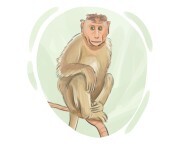
a type of monkey that belongs to the Old World monkey family, characterized by their long tails, cheek pouches
makákó
a primate species native to Africa, known for their striking appearance characterized by black and white fur, long tails, and absence of thumbs
kolobuszmajom, kolobusz
a primate species found in South Asia, known for their dark-colored body, lighter "cap" on their head, long tail, and herbivorous diet
sapkás majom, sapkás makákó
a primate species native to Madagascar, known for their unique appearance characterized by a long, striped tail with distinctive black and white rings
gyűrűsfarkú makikötél, gyűrűsfarkú maki
a small primate species found in Africa, known for their large eyes, long tail, and ability to leap and navigate through trees at night
galagó, bushbaby
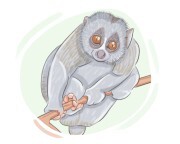
a small nocturnal arboreal primate of South or Southeast Asia with large eyes and slow, deliberate movements
loris, lassú lóri
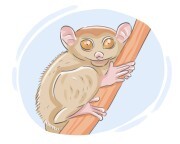
a small primate species found in Southeast Asia, known for their distinctive appearance characterized by large eyes
koboldmaki, kis főemlős
a type of New World monkey, known for their diverse species and distinctive appearance, characterized by a bushy tail, large eyes, and unique facial features
saki, saki majom
a type of primate species found in Central and South America, known for their nocturnal lifestyle, large eyes, and unique vocalizations
douroucouli, éjszakai majom
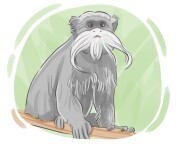
a small primate species found in Central and South America, known for their diminutive size, distinctive appearance
tamarin
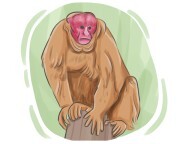
a type of primate species found in South America, recognized for their distinctive appearance characterized by a bald face, bright red facial skin, and a unique social structure
uakari, egy dél-amerikában található főemlősfaj
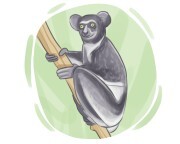
a type of primate species found in Madagascar, recognized for their large size, distinctive black and white coat, and unique vocalizations
indri, babakoto

a type of primate species found in Southeast Asia, known for their vibrant and distinctive coat colors, arboreal lifestyle, and unique facial markings
douc, douc langur

a type of primate species closely related to humans, known for their social and cooperative behavior, intelligence, and sexual behavior
bonobo
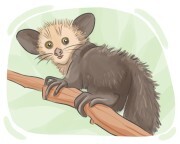
a type of primate species found in Madagascar, known for its unique appearance, specialized feeding habits, and critically endangered status
aye-aye, madagaszkári éjszakai lemúr
a small nocturnal lemur species found in Madagascar, known for their ability to hibernate for several months of the year
törpelemúr, egérmaki
a small, nocturnal primate found in Madagascar, known for its mouse-like appearance and ability to enter torpor during periods of food scarcity
egérmaki, egérlemur
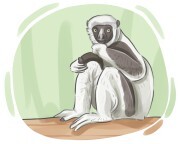
a genus of lemur found in Madagascar, known for their distinctive mode of locomotion, in which they leap from tree to tree, using their powerful hind legs and long, muscular tail for balance
szifaka, Madagaszkári ugró makik
a nocturnal lemur species found in Madagascar, characterized by their long tail, woolly fur, and their ability to climb vertically up tree trunks
sportos lemúr, madagaszkári éjszakai lemúrfaj
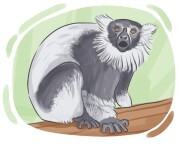
a genus of lemur found in Madagascar, characterized by their distinctive fur ruffs around their neck and their loud, raucous vocalizations
galléros makisz, nyakörves makisz
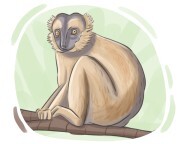
a lemur species found in Madagascar, known for their thick, woolly fur and their ability to survive in cold, high-altitude habitats
gyapjas makisz, vastag szőrű makisz
a nocturnal monkey species native to Central and South America, known for their large, round eyes and monogamous social structure
éjszakai majom, douroucouli
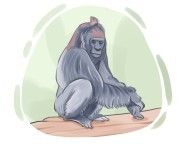
a primate species native to the forests of central and western Africa, known for its massive size, powerful build, and social behavior
nyugati alföldi gorilla, nyugati síkvidéki gorilla
a subspecies of gorilla found in the forests of eastern Democratic Republic of Congo
keleti alföldi gorilla, keleti síkvidéki gorilla
an Old World monkey species found in West Africa, known for their distinctive white beard and their loud, vocal communication
mona majom, mona guenon
a group of Old World monkeys native to Central and West Africa, known for their distinctive appearance, complex social structure, and omnivorous diet
mangabé, mangabé majom
a group of Old World monkeys characterized by their long tails, slender bodies, and distinctive coloration, found in Asia
langur, hulman
a type of Old World monkey found in Asia, characterized by their short, upturned noses and unique adaptations for living in cold, mountainous habitats
tompacsőrű majom, rövid orrú majom
a small, arboreal monkey found in central and West Africa, known for its distinctive appearance
talapoin, talapoin mangabey
a large, critically endangered New World monkey species found in Brazil, known for their complex social structure and unique reproductive biology
muriqui, gyapjas pók majom
