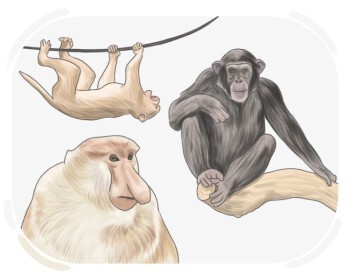
pattern

Djur - Primater

Här kommer du att lära dig namnen på primater på engelska som "apa", "människoapa" och "gorilla".

Recension

Flashcards

Stavning

Quiz
Starta lärandet
Words Related to Animals
monkey
monkey
[Substantiv]

a playful and intelligent animal that has a long tail and usually lives in trees and warm countries

apa, markatta
apa, markatta

Ex: The monkey's intelligence and adaptability made it a fascinating creature to study. 

Apans intelligens och anpassningsförmåga gjorde den till en fascinerande varelse att studera.

Stäng
Logga in
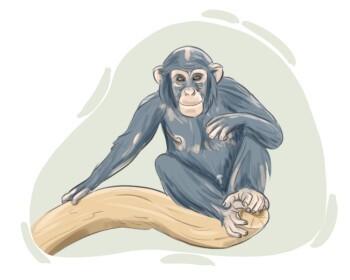
ape
ape
[Substantiv]

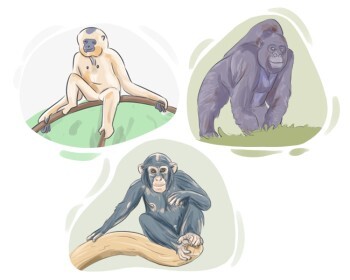
a tailless animal similar to a monkey, such as chimpanzees and gorillas

apa, människoapa
apa, människoapa

Ex: An ape has no tail and is usually larger than a monkey. 
Stäng
Logga in
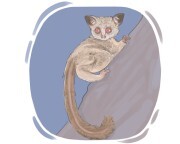
bushbaby
bushbaby
[Substantiv]

a small nocturnal primate with long tail and very large eyes that lives on trees and is native to Africa

galago, bushbaby
galago, bushbaby

Ex: The bushbaby is a small primate native to Africa. 
Stäng
Logga in
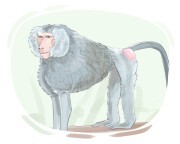
baboon
baboon
[Substantiv]

a large monkey with a doglike face and large teeth, native to Africa and South Asia

babian, markatta
babian, markatta

Ex: The baboon moved through the grassland with its group. 
Stäng
Logga in
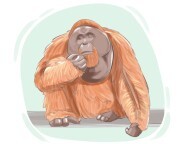
orangutan
orangutan
[Substantiv]

a large ape with a red coat and long arms that lives in the rainforests of Southeast Asia, the male of which develops a throat pouch

orangutang, skogsman
orangutang, skogsman

Ex: The orangutan is native to islands in Southeast Asia. 
Stäng
Logga in
chimpanzee
chimpanzee
[Substantiv]

an intelligent ape, with mainly black fur, which has no tail and is native to the forests of western and central Africa

schimpans, människoapa
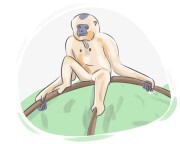
schimpans, människoapa

Ex: Despite their close genetic relationship to humans, chimpanzees face numerous threats in the wild, including habitat loss and disease outbreaks. 

Trots deras nära genetiska släktskap med människor står schimpanser inför många hot i det vilda, inklusive förlust av livsmiljö och sjukdomsutbrott.

Stäng
Logga in
gibbon
gibbon
[Substantiv]

a small ape with long powerful arms and no tail that climbs trees, inhabiting subtropical forests of south-east Asia

gibbon, svanslös apa
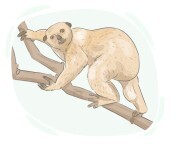
gibbon, svanslös apa

Ex: Researchers study gibbons to learn more about ape behavior. 
Stäng
Logga in
potto
potto
[Substantiv]

a small nocturnal primate that has a short tail and moves very slowly, living in the rainforests of Africa

potto, liten nattaktiv primat
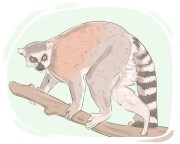
potto, liten nattaktiv primat

Ex: The potto is a small primate native to Africa. 
Stäng
Logga in
lemur
lemur
[Substantiv]

a large-eyed primate with a pointed snout and long ringed tail that is originally from the island of Madagascar

lemur, maki
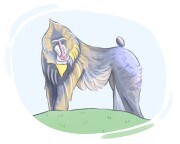
lemur, maki

Ex: Researchers study lemurs to learn more about primate evolution. 
Stäng
Logga in
mandrill
mandrill
[Substantiv]

a primate species native to central and western Africa, known for its distinctive colorful face and impressive size

mandrill, drill
mandrill, drill

Ex: The mandrill is one of the largest species of monkey in the world. 
Stäng
Logga in
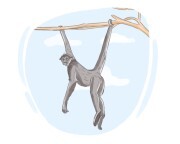
spider monkey
spider monkey
[Substantiv]

a primate species with a slender body, long limbs, and a prehensile tail, known for its exceptional agility and acrobatic behaviors in the trees of Central and South American rainforests

spindelapa, ateles
spindelapa, ateles

Ex: A spider monkey climbed high into the forest canopy to find food. 
Stäng
Logga in
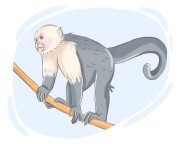
capuchin
capuchin
[Substantiv]

a type of primate known for its distinctive appearance, including a tuft of hair on its head

kapucinapa
kapucinapa

Ex: The capuchin has a distinctive tuft of hair on its head. 
Stäng
Logga in
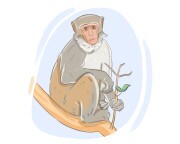
rhesus monkey
rhesus monkey
[Substantiv]

a medium-sized primate species known for its distinctive red-brown fur, long tail, and prominent facial features

rhesusapa, långsvansad markatta
rhesusapa, långsvansad markatta

Ex: The rhesus monkey has reddish-brown fur and a noticeable face. 
Stäng
Logga in
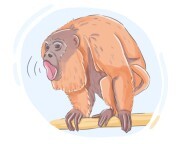
howler monkey
howler monkey
[Substantiv]

a species of New World monkey recognized for its loud vocalizations, prehensile tail, and distinctive appearance

howler apa, vrålande apa
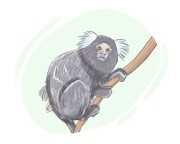
howler apa, vrålande apa

Ex: The howler monkey lives in forests across Central and South America. 
Stäng
Logga in
marmoset
marmoset
[Substantiv]

a small, tree-dwelling primate known for its diminutive size, unique appearance, and social behavior, native to South America

marmosett, liten apa
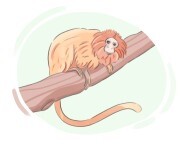
marmosett, liten apa

Ex: The marmoset is a small primate native to South America. 
Stäng
Logga in
golden marmoset
golden marmoset
[Substantiv]

a small New World monkey species native to the rainforests of Brazil, known for its striking golden-orange fur

guldmarmosett, gyllene apor
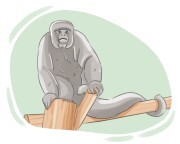
guldmarmosett, gyllene apor

Ex: The golden marmoset has bright golden-orange fur that makes it easy to recognize. 
Stäng
Logga in
woolly monkey
woolly monkey
[Substantiv]

a large, arboreal primate found in South American rainforests, known for its shaggy fur, social behavior, and herbivorous diet

ullapa, ullig apa
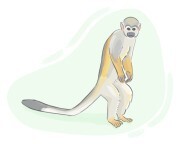
ullapa, ullig apa

Ex: The woolly monkey has thick fur that protects it in the forest environment. 
Stäng
Logga in
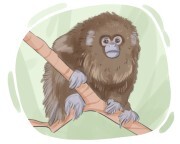
squirrel monkey
squirrel monkey
[Substantiv]

a small, agile primate found in the forests of Central and South America, known for its lively and social behavior, large eyes, and distinctively colored fur

ekorrap, saimiri
ekorrap, saimiri

Ex: The squirrel monkey has large eyes and a colorful coat. 
Stäng
Logga in
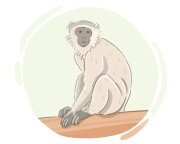
vervet monkey
vervet monkey
[Substantiv]

a medium-sized Old World monkey with a colorful coat, distinct facial markings, and known for its social behavior and adaptability in various African habitats

vervetapa, grön markatta
vervetapa, grön markatta

Ex: The vervet monkey is known for its social groups and complex behavior. 
Stäng
Logga in
titi monkey
titi monkey
[Substantiv]

a small to medium-sized New World monkey known for its long, fluffy tail, soft fur, and often monogamous social structure

titiap, titi
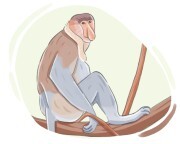
titiap, titi

Ex: The titi monkey has a long tail and soft fur. 
Stäng
Logga in
proboscis monkey
proboscis monkey
[Substantiv]

a primate species native to Borneo, characterized by its large, pendulous nose, reddish-brown coat in males, and arboreal lifestyle

näsapa, snabelapa
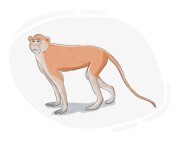
näsapa, snabelapa

Ex: The male proboscis monkey has a large nose and reddish-brown fur. 
Stäng
Logga in
hussar monkey
hussar monkey
[Substantiv]

a species of primate found in West Africa, known for its reddish coat, long tail, and distinctive facial markings

hussarapa, hussarmarkatta

hussarapa, hussarmarkatta

Ex: The hussar monkey has reddish fur and a long tail. 
Stäng
Logga in
green monkey
green monkey
[Substantiv]

a primate species, typically found in Central and South America, with a green coat of fur

grön apa, grön sapajou
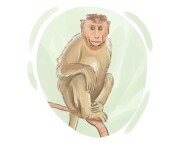
grön apa, grön sapajou

Ex: The green monkey has a distinctive coat color and social lifestyle. 
Stäng
Logga in
macaque
macaque
[Substantiv]

a type of monkey that belongs to the Old World monkey family, characterized by their long tails, cheek pouches

makak

makak

Ex: The macaque moved through the forest with the rest of its group. 
Stäng
Logga in
colobus monkey
colobus monkey
[Substantiv]

a primate species native to Africa, known for their striking appearance characterized by black and white fur, long tails, and absence of thumbs

colobusapa, colobus

colobusapa, colobus

Ex: The colobus monkey has black and white fur and lacks thumbs. 
Stäng
Logga in
bonnet monkey
bonnet monkey
[Substantiv]

a primate species found in South Asia, known for their dark-colored body, lighter "cap" on their head, long tail, and herbivorous diet

huvudbonadsapa, mössapa

huvudbonadsapa, mössapa

Ex: The bonnet monkey has a distinctive lighter patch of fur on its head. 
Stäng
Logga in
ring-tailed lemur
ring-tailed lemur
[Substantiv]

a primate species native to Madagascar, known for their unique appearance characterized by a long, striped tail with distinctive black and white rings

ringsvansad lemur, katta

ringsvansad lemur, katta

Ex: The ring-tailed lemur uses its long tail to communicate with others. 
Stäng
Logga in
galago
galago
[Substantiv]

a small primate species found in Africa, known for their large eyes, long tail, and ability to leap and navigate through trees at night

galago, bushbaby
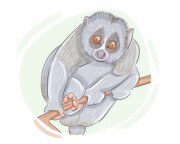
galago, bushbaby

Ex: The galago has large eyes that help it see in the dark. 
Stäng
Logga in
loris
loris
[Substantiv]

a primate species found in Southeast Asia and Africa, known for their slow and deliberate movements, large eyes, and nocturnal lifestyle

loris, långsam lemur

loris, långsam lemur

Ex: Each loris remained hidden among dense foliage during the day. 
Stäng
Logga in
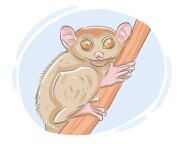
tarsier
tarsier
[Substantiv]

a small primate species found in Southeast Asia, known for their distinctive appearance characterized by large eyes

spökdjur, liten primat

spökdjur, liten primat

Ex: The tarsier moved quietly through the forest at night. 
Stäng
Logga in
saki
saki
[Substantiv]

a type of New World monkey, known for their diverse species and distinctive appearance, characterized by a bushy tail, large eyes, and unique facial features

saki, saki-apa

saki, saki-apa

Ex: The saki has a bushy tail and distinctive facial features. 
Stäng
Logga in
douroucouli
douroucouli
[Substantiv]

a type of primate species found in Central and South America, known for their nocturnal lifestyle, large eyes, and unique vocalizations

douroucouli, nattapa
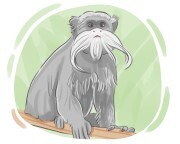
douroucouli, nattapa

Ex: The douroucouli has large eyes that help it see in low light. 
Stäng
Logga in
tamarin
tamarin
[Substantiv]

a small primate species found in Central and South America, known for their diminutive size, distinctive appearance

tamarin
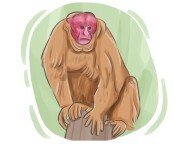
tamarin

Ex: The tamarin is a small primate with a distinctive appearance. 
Stäng
Logga in
uakari
uakari
[Substantiv]

a type of primate species found in South America, recognized for their distinctive appearance characterized by a bald face, bright red facial skin, and a unique social structure

uakari, en typ av primatart som finns i Sydamerika
uakari, en typ av primatart som finns i Sydamerika

Ex: The uakari has a distinctive bald face and bright red skin. 
Stäng
Logga in
indri
indri
[Substantiv]

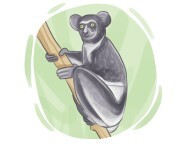
a type of primate species found in Madagascar, recognized for their large size, distinctive black and white coat, and unique vocalizations

indri, babakoto
indri, babakoto

Ex: The indri has a black and white coat and a distinctive appearance. 
Stäng
Logga in
douc
douc
[Substantiv]

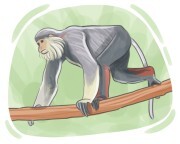
a type of primate species found in Southeast Asia, known for their vibrant and distinctive coat colors, arboreal lifestyle, and unique facial markings

douc, douc-langur
douc, douc-langur

Ex: The douc has colorful fur and distinctive facial markings. 
Stäng
Logga in
bonobo
bonobo
[Substantiv]

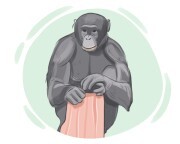
a type of primate species closely related to humans, known for their social and cooperative behavior, intelligence, and sexual behavior

bonobo
bonobo

Ex: Bonobos live in groups and often cooperate with one another. 
Stäng
Logga in
aye-aye
aye-aye
[Substantiv]

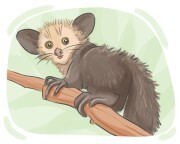
a type of primate species found in Madagascar, known for its unique appearance, specialized feeding habits, and critically endangered status

aye-aye, nattaktiv lemur från Madagaskar

aye-aye, nattaktiv lemur från Madagaskar

Ex: The aye-aye has large eyes, large ears, and a distinctive appearance. 
Stäng
Logga in
dwarf lemur
dwarf lemur
[Substantiv]

a small nocturnal lemur species found in Madagascar, known for their ability to hibernate for several months of the year

dvärgmaki, muslemur

dvärgmaki, muslemur

Ex: The dwarf lemur can survive periods of limited food availability. 
Stäng
Logga in
mouse lemur
mouse lemur
[Substantiv]

a small, nocturnal primate found in Madagascar, known for its mouse-like appearance and ability to enter torpor during periods of food scarcity

muslemur, dvärgmaki
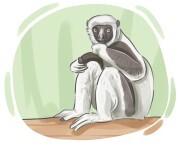
muslemur, dvärgmaki

Ex: The mouse lemur can slow down its activity when food is scarce. 
Stäng
Logga in
sifaka
sifaka
[Substantiv]

a genus of lemur found in Madagascar, known for their distinctive mode of locomotion, in which they leap from tree to tree, using their powerful hind legs and long, muscular tail for balance

sifaka, Madagaskars hoppande lemur

sifaka, Madagaskars hoppande lemur

Ex: The sifaka has a long tail that helps it balance while moving. 
Stäng
Logga in
sportive lemur
sportive lemur
[Substantiv]

a nocturnal lemur species found in Madagascar, characterized by their long tail, woolly fur, and their ability to climb vertically up tree trunks

sportiv lemur, nattaktiv lemurart på Madagaskar
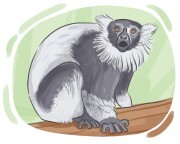
sportiv lemur, nattaktiv lemurart på Madagaskar

Ex: The sportive lemur has a long tail and thick fur. 
Stäng
Logga in
ruffed lemur
ruffed lemur
[Substantiv]

a genus of lemur found in Madagascar, characterized by their distinctive fur ruffs around their neck and their loud, raucous vocalizations

kraglemur, lemur med halskrage
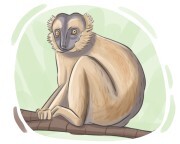
kraglemur, lemur med halskrage

Ex: The ruffed lemur has thick fur around its neck that gives it a distinctive appearance. 
Stäng
Logga in
woolly lemur
woolly lemur
[Substantiv]

a lemur species found in Madagascar, known for their thick, woolly fur and their ability to survive in cold, high-altitude habitats

ullig lemur, lemur med tjock päls

ullig lemur, lemur med tjock päls

Ex: The woolly lemur has thick fur that helps it survive in cooler environments. 
Stäng
Logga in
night monkey
night monkey
[Substantiv]

a nocturnal monkey species native to Central and South America, known for their large, round eyes and monogamous social structure

nattapa, douroucouli
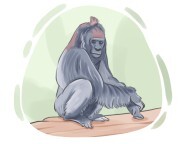
nattapa, douroucouli

Ex: The night monkey has large eyes that help it see in low light. 
Stäng
Logga in
western lowland gorilla

a primate species native to the forests of central and western Africa, known for its massive size, powerful build, and social behavior

västlig låglandsgorilla, västlig slättgorilla

västlig låglandsgorilla, västlig slättgorilla

Ex: The western lowland gorilla is one of the most well-known gorilla subspecies. 
Stäng
Logga in
eastern lowland gorilla

a subspecies of gorilla found in the forests of eastern Democratic Republic of Congo

östlig låglandsgorilla, östlig slättgorilla

östlig låglandsgorilla, östlig slättgorilla

Ex: The eastern lowland gorilla is threatened by habitat loss and human activity. 
Stäng
Logga in
mona monkey
mona monkey
[Substantiv]

an Old World monkey species found in West Africa, known for their distinctive white beard and their loud, vocal communication

monaapan, monaguenon

monaapan, monaguenon

Ex: The mona monkey has a distinctive white beard and colorful markings. 
Stäng
Logga in
mangabey
mangabey
[Substantiv]

a group of Old World monkeys native to Central and West Africa, known for their distinctive appearance, complex social structure, and omnivorous diet

mangabey, mangabeyapa

mangabey, mangabeyapa

Ex: The mangabey has adapted to a variety of forest environments. 
Stäng
Logga in
langur
langur
[Substantiv]

a group of Old World monkeys characterized by their long tails, slender bodies, and distinctive coloration, found in Asia

langur, bladapa

langur, bladapa

Ex: The langur is known for its slender body and distinctive appearance. 
Stäng
Logga in
snub-nosed monkey
snub-nosed monkey
[Substantiv]

a type of Old World monkey found in Asia, characterized by their short, upturned noses and unique adaptations for living in cold, mountainous habitats

stubbnäsapa, kortnäsapa

stubbnäsapa, kortnäsapa

Ex: The snub-nosed monkey has a short, upturned nose and thick fur. 
Stäng
Logga in
talapoin
talapoin
[Substantiv]

a small, arboreal monkey found in central and West Africa, known for its distinctive appearance

talapoin, talapoinapa

talapoin, talapoinapa

Ex: The talapoin is one of the smallest Old World monkeys. 
Stäng
Logga in
muriqui
muriqui
[Substantiv]

a large, critically endangered New World monkey species found in Brazil, known for their complex social structure and unique reproductive biology

muriqui, ullig spindelapa

muriqui, ullig spindelapa

Ex: The muriqui spends most of its life moving through the canopy of Brazil's Atlantic forests. 
Stäng
Logga in
LanGeek
Ladda ner LanGeek app