
Animales - Primates
Aquí aprenderás los nombres de los primates en inglés. Lee la lista por completo para saber más.
Revisión
Tarjetas de memoria
Ortografía
Cuestionario

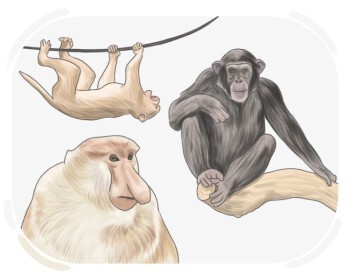
a playful and intelligent animal that has a long tail and usually lives in trees and warm countries

mono
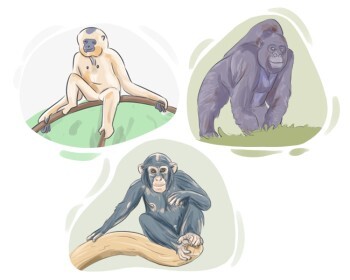
a tailless animal similar to a monkey, such as chimpanzees and gorillas
simio
a small nocturnal primate with long tail and very large eyes that lives on trees and is native to Africa
galagidae
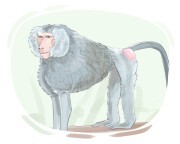
a large monkey with a doglike face and large teeth, native to Africa and South Asia
babuino

a large ape with a red coat and long arms that lives in the rainforests of Southeast Asia, the male of which develops a throat pouch
orangután
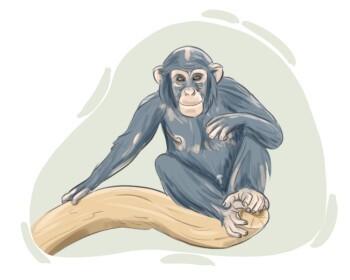
an intelligent ape, with mainly black fur, which has no tail and is native to the forests of western and central Africa
chimpancé

a small ape with long powerful arms and no tail that climbs trees, inhabiting subtropical forests of south-east Asia
gibón

a small nocturnal primate that has a short tail and moves very slowly, living in the rainforests of Africa
kinkajú
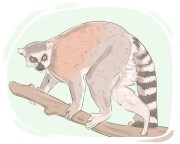
a large-eyed primate with a pointed snout and long ringed tail that is originally from the island of Madagascar
lémur
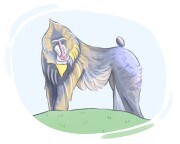
a primate species native to central and western Africa, known for its distinctive colorful face and impressive size
mandril, dril
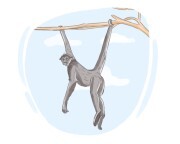
a primate species with a slender body, long limbs, and a prehensile tail, known for its exceptional agility and acrobatic behaviors in the trees of Central and South American rainforests
mono araña, ateles
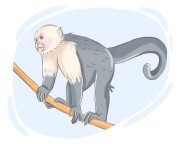
a type of primate known for its distinctive appearance, including a tuft of hair on its head
capuchino
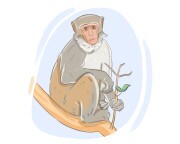
a medium-sized primate species known for its distinctive red-brown fur, long tail, and prominent facial features
mono rhesus, macaco rhesus
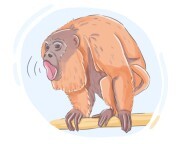
a species of New World monkey recognized for its loud vocalizations, prehensile tail, and distinctive appearance
mono aullador, carayá
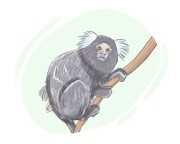
a small, tree-dwelling primate known for its diminutive size, unique appearance, and social behavior, native to South America
mico, tití
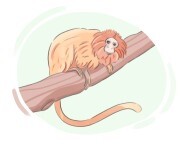
a small New World monkey species native to the rainforests of Brazil, known for its striking golden-orange fur
mico dorado, tití dorado

a large, arboreal primate found in South American rainforests, known for its shaggy fur, social behavior, and herbivorous diet
mono lanudo, churuco
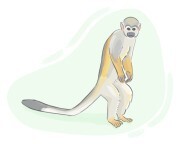
a small, agile primate found in the forests of Central and South America, known for its lively and social behavior, large eyes, and distinctively colored fur
mono ardilla, tití
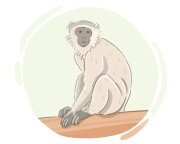
a medium-sized Old World monkey with a colorful coat, distinct facial markings, and known for its social behavior and adaptability in various African habitats
mono vervet, cercopiteco verde
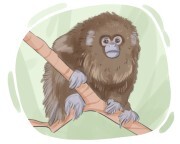
a small to medium-sized New World monkey known for its long, fluffy tail, soft fur, and often monogamous social structure
titi, mono titi
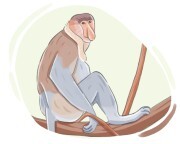
a primate species native to Borneo, characterized by its large, pendulous nose, reddish-brown coat in males, and arboreal lifestyle
mono narigudo, nasico
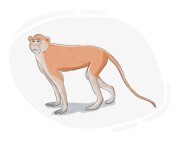
a species of primate found in West Africa, known for its reddish coat, long tail, and distinctive facial markings
mono húsar, mona húsar

a primate species, typically found in Central and South America, with a green coat of fur
mono verde, sapajou verde
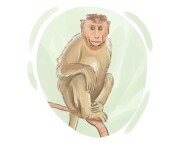
a type of monkey that belongs to the Old World monkey family, characterized by their long tails, cheek pouches
macaco
a primate species native to Africa, known for their striking appearance characterized by black and white fur, long tails, and absence of thumbs
colobo, mono colobo
a primate species found in South Asia, known for their dark-colored body, lighter "cap" on their head, long tail, and herbivorous diet
mono de bonete, macaco de gorra
a primate species native to Madagascar, known for their unique appearance characterized by a long, striped tail with distinctive black and white rings
lémur de cola anillada, maki de cola anillada
a small primate species found in Africa, known for their large eyes, long tail, and ability to leap and navigate through trees at night
galago, bushbaby
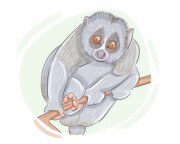
a small nocturnal arboreal primate of South or Southeast Asia with large eyes and slow, deliberate movements
loris, loris esbelto
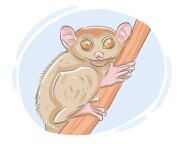
a small primate species found in Southeast Asia, known for their distinctive appearance characterized by large eyes
tarsero, tarsio
a type of New World monkey, known for their diverse species and distinctive appearance, characterized by a bushy tail, large eyes, and unique facial features
saki, mono saki
a type of primate species found in Central and South America, known for their nocturnal lifestyle, large eyes, and unique vocalizations
douroucouli, mono nocturno
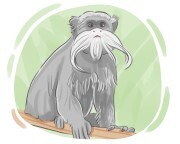
a small primate species found in Central and South America, known for their diminutive size, distinctive appearance
tití
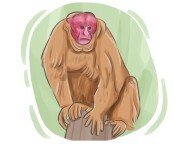
a type of primate species found in South America, recognized for their distinctive appearance characterized by a bald face, bright red facial skin, and a unique social structure
uakari, un tipo de especie de primate encontrado en América del Sur
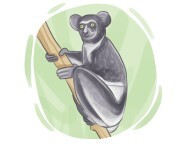
a type of primate species found in Madagascar, recognized for their large size, distinctive black and white coat, and unique vocalizations
indri, babakoto

a type of primate species found in Southeast Asia, known for their vibrant and distinctive coat colors, arboreal lifestyle, and unique facial markings
douc, langur douc

a type of primate species closely related to humans, known for their social and cooperative behavior, intelligence, and sexual behavior
bonobo
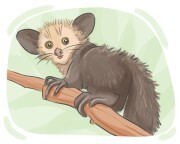
a type of primate species found in Madagascar, known for its unique appearance, specialized feeding habits, and critically endangered status
aye-aye, lémur nocturno de Madagascar
a small nocturnal lemur species found in Madagascar, known for their ability to hibernate for several months of the year
lémur enano, microcebo
a small, nocturnal primate found in Madagascar, known for its mouse-like appearance and ability to enter torpor during periods of food scarcity
lémur ratón, microcebo
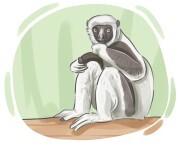
a genus of lemur found in Madagascar, known for their distinctive mode of locomotion, in which they leap from tree to tree, using their powerful hind legs and long, muscular tail for balance
sifaka, lémur saltador de Madagascar
a nocturnal lemur species found in Madagascar, characterized by their long tail, woolly fur, and their ability to climb vertically up tree trunks
lémur deportivo, lémur nocturno de Madagascar
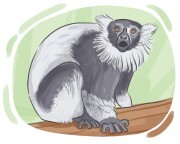
a genus of lemur found in Madagascar, characterized by their distinctive fur ruffs around their neck and their loud, raucous vocalizations
lémur de collar, lémur con gorguera
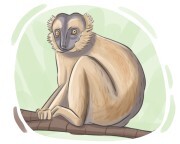
a lemur species found in Madagascar, known for their thick, woolly fur and their ability to survive in cold, high-altitude habitats
lémur lanudo, lémur de pelaje espeso
a nocturnal monkey species native to Central and South America, known for their large, round eyes and monogamous social structure
mono nocturno, douroucouli
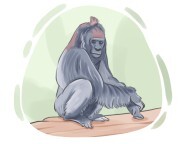
a primate species native to the forests of central and western Africa, known for its massive size, powerful build, and social behavior
gorila occidental de llanura, gorila de tierras bajas del oeste
a subspecies of gorilla found in the forests of eastern Democratic Republic of Congo
gorila de las tierras bajas orientales, gorila oriental de llanura
an Old World monkey species found in West Africa, known for their distinctive white beard and their loud, vocal communication
el mono mona, el cercopiteco mona
a group of Old World monkeys native to Central and West Africa, known for their distinctive appearance, complex social structure, and omnivorous diet
mangabey, mono mangabey
a group of Old World monkeys characterized by their long tails, slender bodies, and distinctive coloration, found in Asia
langur, entelo
a type of Old World monkey found in Asia, characterized by their short, upturned noses and unique adaptations for living in cold, mountainous habitats
rinopiteco, mono de nariz chata
a small, arboreal monkey found in central and West Africa, known for its distinctive appearance
talapoin, mangabey talapoin
a large, critically endangered New World monkey species found in Brazil, known for their complex social structure and unique reproductive biology
muriqui, mono araña lanudo
