pattern

Állatok - Állatkölykök

Itt megtanulhatod az állatok kicsinyeinek angol nevét, például a "kit", "joey" és "calf" kifejezéseket.

Áttekintés

Villámkártyák

Betűzés

Kvíz
Indítsa el a tanulást
Words Related to Animals
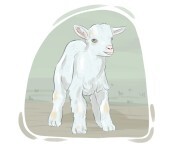
kid
kid
[Főnév]

a young goat

gödölye, kecskegida

gödölye, kecskegida

Ex: The farmer carried the newborn kid into a warm pen. 
baby
baby
[Főnév]

a very young mammal at an early stage of development

baba, kölyök

baba, kölyök

Ex: The baby elephant stayed close to its mother. 
kit
kit
[Főnév]

a young animal, especially a fox, rabbit, mink, or other fur-bearing mammal

kölyök,  rókakölyök
kölyök, rókakölyök

Ex: A rabbit kit remained hidden beneath the grass. 
hatchling
hatchling
[Főnév]

an animal that has recently come out of its shell

kikelt állat, fióka
kikelt állat, fióka

Ex: The hatchling pecked its way out of the eggshell, eager to explore its new world. 
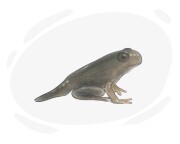
froglet
froglet
[Főnév]

a young frog, which has recently developed from a tadpole

fiatal béka, béka
fiatal béka, béka

Ex: A froglet still had a small part of its tail. 
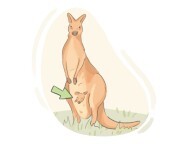
joey
joey
[Főnév]

a young kangaroo

egy kismacska, egy fiatal kenguru
egy kismacska, egy fiatal kenguru

Ex: A young joey hopped a short distance before returning to its mother. 
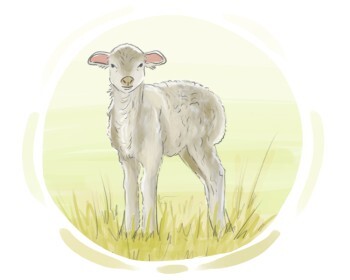
lamb
lamb
[Főnév]

a young sheep, especially one that is under one year

bárány, bárányka
bárány, bárányka

Ex: The lamb followed its mother across the field. 
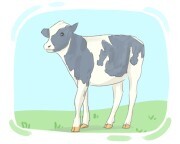
calf
calf
[Főnév]

the young offspring of a cow or bull, typically less than one year old

borjú, fiatal ökör

borjú, fiatal ökör

Ex: The calf drank milk from a bottle. 
hind
hind
[Főnév]

a female red deer, especially one that is over three years old

szarvastehén, egy nőstény vörös szarvas
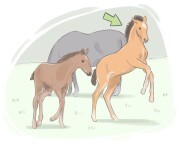
szarvastehén, egy nőstény vörös szarvas

Ex: The hunter watched the hind from a distance. 
filly
filly
[Főnév]

a horse that is female and young, particularly one that is younger than four

kancacsmány, fiatal kanca

kancacsmány, fiatal kanca

Ex: After the race, the filly was carefully checked by the vet for any injuries. 
spat
spat
[Főnév]

a young oyster or other bivalve that has recently settled and attached itself to a surface in its natural habitat

fiatal osztriga, frissen letelepedett osztriga
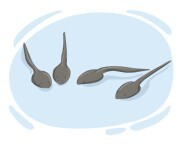
fiatal osztriga, frissen letelepedett osztriga

Ex: The spat developed rapidly once water conditions improved. 
tadpole
tadpole
[Főnév]

an amphibian in the larval stage

ebihal, béka lárva
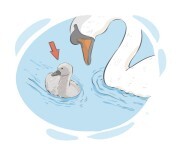
ebihal, béka lárva

Ex: A tadpole gradually developed its back legs. 
cygnet
cygnet
[Főnév]

a newly-hatched swan

hattyúfióka, fiatal hattyú

hattyúfióka, fiatal hattyú

Ex: A group of cygnets swam happily behind their mother in the lake, learning the ways of the water. 
fledgling
fledgling
[Főnév]

a young bird that has recently acquired its flight feathers and is learning to fly

fióka, fiatal madár
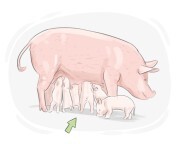
fióka, fiatal madár

Ex: A fledgling perched awkwardly on the edge of the nest. 
piglet
piglet
[Főnév]

a small young pig

kismalac, disznócska
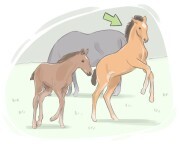
kismalac, disznócska

Ex: A pink piglet squealed when the farmer picked it up. 
colt
colt
[Főnév]

a young male horse under the age of four which is not castrated

csikó, fiatal mén

csikó, fiatal mén

Ex: A young colt kicked playfully at the air. 
peachick
peachick
[Főnév]

a juvenile bird of the peafowl species

páva csibe, fiatal páva
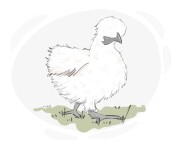
páva csibe, fiatal páva

Ex: A peachick hid beneath its mother's feathers. 
bantam
bantam
[Főnév]

a small domestic chicken or duck

törpe tyúk, kis kacsa

törpe tyúk, kis kacsa

Ex: A bantam can be much smaller than a standard chicken. 
nestling
nestling
[Főnév]

a bird that is too young to leave the nest built by its parents, especially one that has not yet learned how to fly

fióka, fiatal madár
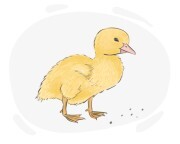
fióka, fiatal madár

Ex: The mother bird fed the nestling a small insect. 
duckling
duckling
[Főnév]

a newly-hatched duck

kiskacsa, fiatal kacsa
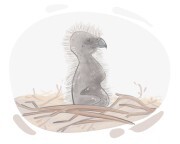
kiskacsa, fiatal kacsa

Ex: A yellow duckling paddled near the shore. 
eaglet
eaglet
[Főnév]

a newly-hatched eagle

sasfióka, fiatal sas
sasfióka, fiatal sas

Ex: A young eaglet stretched its wings in the morning sun. 
neonate
neonate
[Főnév]

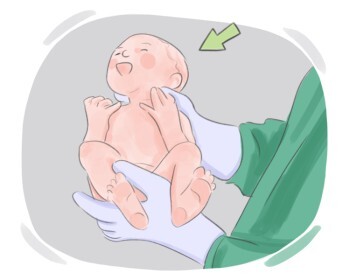
a recently born organism, especially a newborn baby or an animal

újszülött, neonatális
újszülött, neonatális

Ex: The doctor conducted a thorough examination of the neonate's health shortly after birth. 
pup
pup
[Főnév]

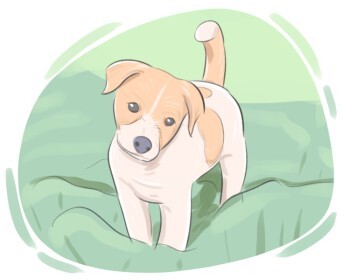
a young dog, wolf, seal, etc.

kiskutya, farkaskölyök
kiskutya, farkaskölyök

Ex: A wolf pup emerged from the den for the first time. 
owlet
owlet
[Főnév]

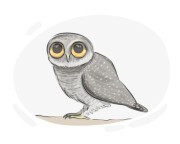
a newly-hatched owl

frissen kikelt bagoly, bagolyfióka
frissen kikelt bagoly, bagolyfióka

Ex: A fluffy owlet remained close to its mother. 
elver
elver
[Főnév]

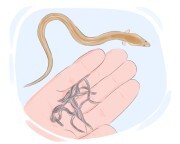
a small and young eel

fiatal angolna, kis angolna
fiatal angolna, kis angolna

Ex: Fishermen once caught large numbers of elvers in the river. 
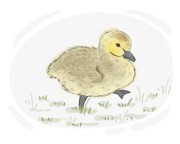
gosling
gosling
[Főnév]

a newly-hatched goose

kiskacsa, fiatal lúd

kiskacsa, fiatal lúd

Ex: A fluffy gosling paddled beside its mother. 
puppy
puppy
[Főnév]

a young dog, especially one that is less than a year old

kiskutya, fiatal kutya
kiskutya, fiatal kutya

Ex: The puppy chewed on the corner of the rug. 
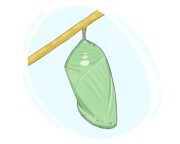
larva
larva
[Főnév]

a young form of an insect or an animal that has come out of the egg but has not yet developed into an adult

lárva
lárva

Ex: A mosquito larva wriggled near the surface of the water. 
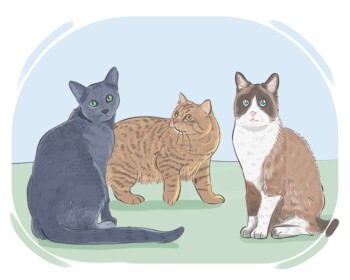
kitten
kitten
[Főnév]

a young cat

kismacska, fiatal macska

kismacska, fiatal macska

Ex: A playful kitten chased a string across the floor. 
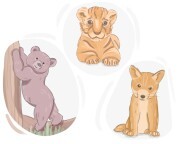
cub
cub
[Főnév]

a young carnivorous mammal, such as a bear, lion, fox, etc.

kölyök, fiatal állat

kölyök, fiatal állat

Ex: A bear cub climbed awkwardly up the tree. 
squab
squab
[Főnév]

a young pigeon or dove that is still in the nest and not yet able to fly

fiatal galamb, fiatal gerle

fiatal galamb, fiatal gerle

Ex: A squab is not yet strong enough to fly. 
shoat
shoat
[Főnév]

a young pig, especially one that has been weaned from its mother but is not yet mature

malac, fiatal disznó

malac, fiatal disznó

Ex: A young shoat followed the herd toward the feeding area. 
eft
eft
[Főnév]

a juvenile newt or a terrestrial stage of a newt's life cycle

egy fiatal gőte, a gőte életciklusának szárazföldi szakasza
egy fiatal gőte, a gőte életciklusának szárazföldi szakasza

Ex: A red eft crossed the forest path after the rain. 
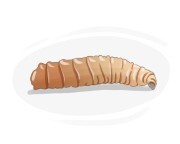
maggot
maggot
[Főnév]

a soft and legless larva of a dipterous insect, such as a housefly, which could be found in decaying organic matter

kukac, lárva

kukac, lárva

Ex: The wound contained several maggots. 
polliwog
polliwog
[Főnév]

an amphibian in larval stage; a tadpole

ebihal, béka lárva

ebihal, béka lárva

Ex: A polliwog gradually developed legs as it matured. 
eyas
eyas
[Főnév]

a young falcon that has not yet fledged and is still in the nest

sólyomfióka, fiatal sólyom

sólyomfióka, fiatal sólyom

Ex: An eyas depends completely on adult birds for food. 
yearling
yearling
[Főnév]

a young animal, usually a horse or a deer, that is between one and two years old

éves, egy-két éves állat

éves, egy-két éves állat

Ex: A yearling is still too young for some forms of heavy training. 
nymph
nymph
[Főnév]

the aquatic or terrestrial larval stage of an insect that undergoes incomplete metamorphosis, such as a dragonfly or mayfly

nimfa, vízi lárva

nimfa, vízi lárva

Ex: He observed the nymph under a magnifying glass. 
lambkin
lambkin
[Főnév]

a young lamb, usually less than a year old

bárány, bárányka

bárány, bárányka

Ex: A tiny lambkin slept in the warm straw. 
leveret
leveret
[Főnév]

a young hare or rabbit that is less than a year old and has not yet developed its full growth

nyúlkölyök, fiatal nyúl
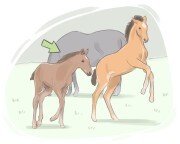
nyúlkölyök, fiatal nyúl

Ex: A leveret can move soon after birth. 
foal
foal
[Főnév]

a young horse, especially one that is not older than one year

csikó, fiatal ló

csikó, fiatal ló

Ex: A newborn foal struggled to stand for the first time. 
animalcule
animalcule
[Főnév]

a tiny animal, typically visible only under a microscope

állatka, mikroorganizmus

állatka, mikroorganizmus

Ex: Rotifers and tardigrades are multi-cellular animalcules capable of surviving in even the most extreme conditions. 
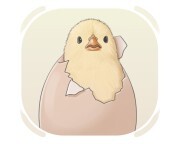
chick
chick
[Főnév]

a newly-hatched bird, especially a domestic bird

csibe, fióka
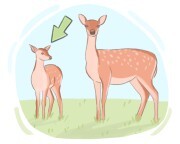
csibe, fióka

Ex: A newly hatched chick remained beneath the heat lamp. 
fawn
fawn
[Főnév]

a young deer, typically in its first year of life

őzgida, fiatal szarvas

őzgida, fiatal szarvas

Ex: Hunters are often instructed not to harm a fawn. 
codling
codling
[Főnév]

a young or small codfish

fiatal tőkehal, kis tőkehal

fiatal tőkehal, kis tőkehal

Ex: A codling was caught and released because it was too small. 
whelp
whelp
[Főnév]

a young offspring of a dog, wolf, or certain other carnivorous mammals

kiskutya, farkaskölyök

kiskutya, farkaskölyök

Ex: A dog whelp opened its eyes after several days. 
fingerling
fingerling
[Főnév]

a small, juvenile fish that is typically between the length of 1 and 4 inches

ujjling, fiatal hal

ujjling, fiatal hal

Ex: Each fingerling measured only a few inches long. 
brit
brit
[Főnév]

a juvenile herring, sprat or other small fish typically less than six inches long

egy brit, egy fiatal hering

egy brit, egy fiatal hering

Ex: A brit is an important food source for many larger marine animals. 
parr
parr
[Főnév]

a juvenile salmon or trout that has developed a pattern of dark vertical bars on its sides

parr, fiatal lazac vagy pisztráng

parr, fiatal lazac vagy pisztráng

Ex: A salmon parr has dark vertical markings along its sides. 
dogie
dogie
[Főnév]

a motherless young cow in a cattle herd

árva borjú, anyátlan borjú

árva borjú, anyátlan borjú

Ex: A weak dogie was fed by hand until it gained strength. 
heifer
heifer
[Főnév]

a young female cow that has not given birth yet or has only one calf

üsző, fiatal tehén

üsző, fiatal tehén

Ex: A young heifer was selected for the dairy herd. 
LanGeek
LanGeek alkalmazás letöltése