pattern

Animales - Bebes Animales

Aquí aprenderás los nombres de bebes animales en inglés. Lea la lista completa para saber más.

Revisión

Tarjetas de memoria

Ortografía

Cuestionario
Empezar a aprender
Words Related to Animals
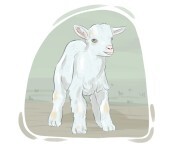
kid
kid
[Sustantivo]

a young goat

cabrito

cabrito

Ex: The farmer carried the newborn kid into a warm pen. 
baby
baby
[Sustantivo]

a very young mammal at an early stage of development

bebé, cría

bebé, cría

Ex: The farmer witnessed the birth of a baby calf in the barn. 
kit
kit
[Sustantivo]

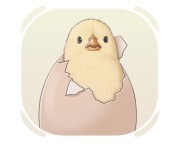
a young animal, especially a fox, rabbit, mink, or other fur-bearing mammal

gazapo,  cachorro
gazapo, cachorro

Ex: The rescued mink kit was too young to survive on its own. 
hatchling
hatchling
[Sustantivo]

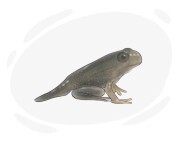
an animal that has recently come out of its shell

cría
cría

Ex: The hatchling pecked its way out of the eggshell, eager to explore its new world. 
froglet
froglet
[Sustantivo]

a young frog, which has recently developed from a tadpole

rana
rana

Ex: The froglet jumped away when the grass moved. 
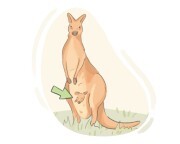
joey
joey
[Sustantivo]

a young kangaroo

un bebé canguro, un canguro joven
un bebé canguro, un canguro joven

Ex: The joey remained inside the pouch during the cold morning. 
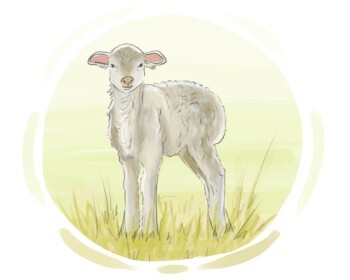
lamb
lamb
[Sustantivo]

a young sheep, especially one that is under one year

cordero
cordero

Ex: Sarah likes to watch the playful lambs in the springtime. 
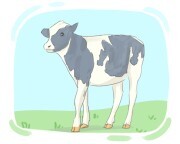
calf
calf
[Sustantivo]

the young offspring of a cow or bull, typically less than one year old

ternero

ternero

Ex: The dairy farm welcomed several new calves during the calving season. 
hind
hind
[Sustantivo]

a female red deer, especially one that is over three years old

cierva
cierva

Ex: The hunter watched the hind from a distance. 
filly
filly
[Sustantivo]

a horse that is female and young, particularly one that is younger than four

potra

potra

Ex: After the race, the filly was carefully checked by the vet for any injuries. 
spat
spat
[Sustantivo]

a young oyster or other bivalve that has recently settled and attached itself to a surface in its natural habitat

semilla de ostra, ostra joven
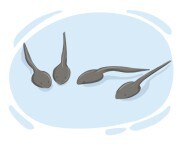
semilla de ostra, ostra joven

Ex: The spat developed rapidly once water conditions improved. 
tadpole
tadpole
[Sustantivo]

an amphibian in the larval stage

renacuajo
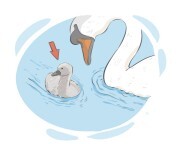
renacuajo

Ex: The child watched the tadpole grow into a frog. 
cygnet
cygnet
[Sustantivo]

a newly-hatched swan

polluelo de cisne

polluelo de cisne

Ex: A group of cygnets swam happily behind their mother in the lake, learning the ways of the water. 
fledgling
fledgling
[Sustantivo]

a young bird that has recently acquired its flight feathers and is learning to fly

polluelo, pichón
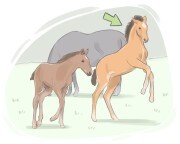
polluelo, pichón

Ex: A fledgling perched awkwardly on the edge of the nest. 
piglet
piglet
[Sustantivo]

a small young pig

cerdito

cerdito

Ex: Each piglet crowded around the sow to feed. 
colt
colt
[Sustantivo]

a young male horse under the age of four which is not castrated

potro

potro

Ex: The trainer began handling the colt every morning. 
peachick
peachick
[Sustantivo]

a juvenile bird of the peafowl species

polluelo de pavo real, cría de pavo real
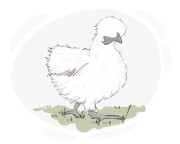
polluelo de pavo real, cría de pavo real

Ex: The peachick began developing stronger wing feathers. 
bantam
bantam
[Sustantivo]

a small domestic chicken or duck

gallina de Bantam

gallina de Bantam

Ex: The farmer keeps several bantams in a separate coop. 
nestling
nestling
[Sustantivo]

a bird that is too young to leave the nest built by its parents, especially one that has not yet learned how to fly

polluelo
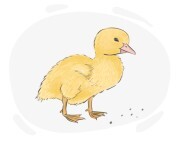
polluelo

Ex: The mother bird fed the nestling a small insect. 
duckling
duckling
[Sustantivo]

a newly-hatched duck

patito

patito

Ex: The child gently held the duckling in both hands. 
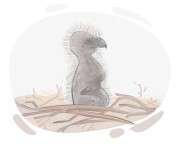
eaglet
eaglet
[Sustantivo]

a newly-hatched eagle

águila pequeña
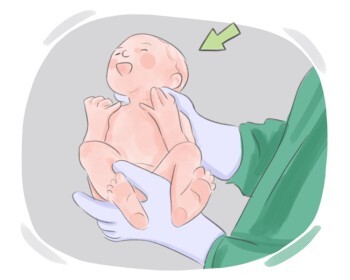
águila pequeña

Ex: The eaglet began practicing short jumps across the nest. 
neonate
neonate
[Sustantivo]

a recently born organism, especially a newborn baby or an animal

neonato
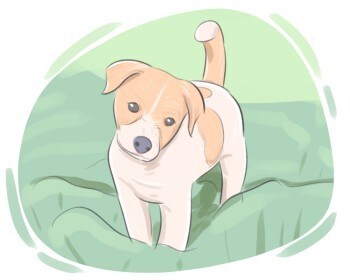
neonato

Ex: The doctor conducted a thorough examination of the neonate's health shortly after birth. 
pup
pup
[Sustantivo]

a young dog, wolf, seal, etc.

cachorro
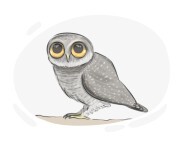
cachorro

Ex: The dog pup followed its littermates across the yard. 
owlet
owlet
[Sustantivo]

a newly-hatched owl

mochuelo

mochuelo

Ex: The owlet practiced flapping its wings inside the nest. 
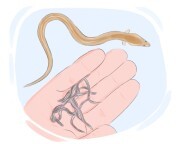
elver
elver
[Sustantivo]

a small and young eel

angula

angula

Ex: The elver was only a few inches long. 
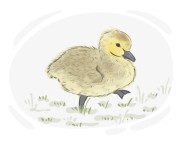
gosling
gosling
[Sustantivo]

a newly-hatched goose

ansarino

ansarino

Ex: The gosling stayed close to the flock near the lake. 
puppy
puppy
[Sustantivo]

a young dog, especially one that is less than a year old

cachorro
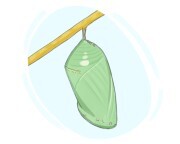
cachorro

Ex: The puppy's soft fur made it irresistible for cuddling. 
larva
larva
[Sustantivo]

a young form of an insect or an animal that has come out of the egg but has not yet developed into an adult

larva
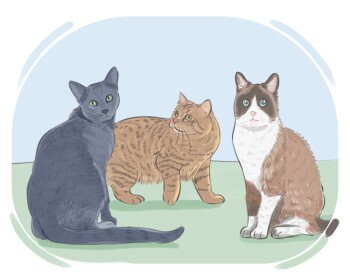
larva

Ex: The larva looked completely different from the adult insect. 
kitten
kitten
[Sustantivo]

a young cat

gatito

gatito

Ex: The child gently picked up the kitten. 
cub
cub
[Sustantivo]

a young carnivorous mammal, such as a bear, lion, fox, etc.

cachorro

cachorro

Ex: The fox cub emerged from the den at sunset. 
squab
squab
[Sustantivo]

a young pigeon or dove that is still in the nest and not yet able to fly

pichón, palomino
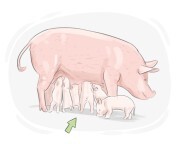
pichón, palomino

Ex: The adult pigeon fed the squab directly from its crop. 
shoat
shoat
[Sustantivo]

a young pig, especially one that has been weaned from its mother but is not yet mature

lechón, cerdito joven

lechón, cerdito joven

Ex: The farmer separated the shoat from the sow after weaning. 
eft
eft
[Sustantivo]

a juvenile newt or a terrestrial stage of a newt's life cycle

un tritón juvenil, una etapa terrestre del ciclo de vida de un tritón
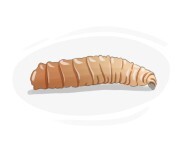
un tritón juvenil, una etapa terrestre del ciclo de vida de un tritón

Ex: The eft lives on land during this stage of development. 
maggot
maggot
[Sustantivo]

a soft and legless larva of a dipterous insect, such as a housefly, which could be found in decaying organic matter

larva, gusano

larva, gusano

Ex: Each maggot developed from a fly egg. 
polliwog
polliwog
[Sustantivo]

an amphibian in larval stage; a tadpole

renacuajo

renacuajo

Ex: The child watched the polliwog grow into a frog. 
eyas
eyas
[Sustantivo]

a young falcon that has not yet fledged and is still in the nest

polluelo de halcón, halcón joven aún en el nido

polluelo de halcón, halcón joven aún en el nido

Ex: The falconer carefully handled the eyas before returning it to the nest. 
yearling
yearling
[Sustantivo]

a young animal, usually a horse or a deer, that is between one and two years old

primal

primal

Ex: The farmer sold the yearling at the autumn livestock sale. 
nymph
nymph
[Sustantivo]

the aquatic or terrestrial larval stage of an insect that undergoes incomplete metamorphosis, such as a dragonfly or mayfly

ninfa

ninfa

Ex: He observed the nymph under a magnifying glass. 
lambkin
lambkin
[Sustantivo]

a young lamb, usually less than a year old

cordero, corderito

cordero, corderito

Ex: The shepherd carried the weak lambkin back to the barn. 
leveret
leveret
[Sustantivo]

a young hare or rabbit that is less than a year old and has not yet developed its full growth

lebrato, joven liebre
lebrato, joven liebre

Ex: The mother hare returned to feed the leveret after dark. 
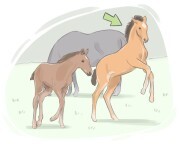
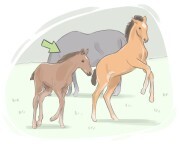
foal
foal
[Sustantivo]

a young horse, especially one that is not older than one year

potro

potro

Ex: The foal raced around the field on long, thin legs. 
animalcule
animalcule
[Sustantivo]

a tiny animal, typically visible only under a microscope

animálculo

animálculo

Ex: In his pioneering studies of animalcules, Leeuwenhoek documented countless varieties of protozoa, bacteria and other microscopic creatures. 
chick
chick
[Sustantivo]

a newly-hatched bird, especially a domestic bird

pajarito, polluelo
pajarito, polluelo

Ex: The child gently held the chick in both hands. 
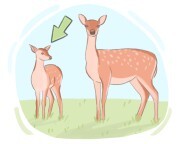
fawn
fawn
[Sustantivo]

a young deer, typically in its first year of life

cervato

cervato

Ex: Hunters are often instructed not to harm a fawn. 
codling
codling
[Sustantivo]

a young or small codfish

bacaladito, bacalao joven

bacaladito, bacalao joven

Ex: The fisherman identified the young fish as a codling. 
whelp
whelp
[Sustantivo]

a young offspring of a dog, wolf, or certain other carnivorous mammals

cachorro, lobezno

cachorro, lobezno

Ex: The mother guarded each whelp carefully. 
fingerling
fingerling
[Sustantivo]

a small, juvenile fish that is typically between the length of 1 and 4 inches

alevín, juvenil de pez

alevín, juvenil de pez

Ex: The hatchery released thousands of fingerlings into the river. 
brit
brit
[Sustantivo]

a juvenile herring, sprat or other small fish typically less than six inches long

un brit, un arenque juvenil

un brit, un arenque juvenil

Ex: The fishermen noticed large numbers of brit in the bay. 
parr
parr
[Sustantivo]

a juvenile salmon or trout that has developed a pattern of dark vertical bars on its sides

parr, esguín

parr, esguín

Ex: The parr remained in freshwater before migrating toward the sea. 
dogie
dogie
[Sustantivo]

a motherless young cow in a cattle herd

ternero huérfano

ternero huérfano

Ex: The rancher brought the dogie back to the cattle camp. 
heifer
heifer
[Sustantivo]

a young female cow that has not given birth yet or has only one calf

vaquilla

vaquilla

Ex: The farmer checked the heifer before the breeding season. 
LanGeek
Descargar la aplicación LanGeek