pattern

500 Verbi Inglesi Più Comuni - Top 51-75 Verbi

Qui ti viene fornita la parte 3 della lista dei verbi più comuni in inglese come "aspettare", "credere" e "ridere".

Ripasso

Flashcard

Ortografia

Quiz
Inizia a imparare
Most Common Verbs in English Vocabulary
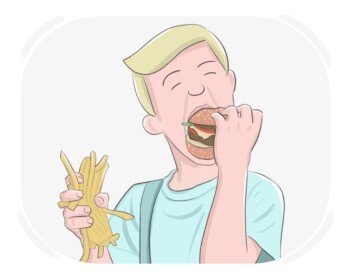
to eat
to eat
[Verbo]

to put food into the mouth, then chew and swallow it

mangiare

mangiare

Ex: The kids were so hungry after playing outside that they couldn't wait to eat dinner. 

I bambini erano così affamati dopo aver giocato fuori che non vedevano l'ora di mangiare la cena.
Chiudi
Accedi
to believe
to believe
[Verbo]

to accept something as true or real, even without conclusive proof

pensare
pensare

Ex: I find it difficult to believe that the painting is genuine. 
Chiudi
Accedi
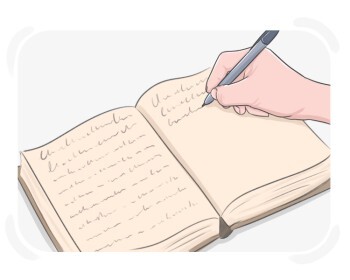
to write
to write
[Verbo]

to make letters, words, or numbers on a surface, usually on a piece of paper, with a pen or pencil

scrivere

scrivere

Ex: Can you write a note for the delivery person? 

Puoi scrivere un biglietto per il fattorino?

Chiudi
Accedi
to speak
to speak
[Verbo]

to talk to someone about something

parlare

parlare

Ex: I need to speak with the manager. 
Chiudi
Accedi
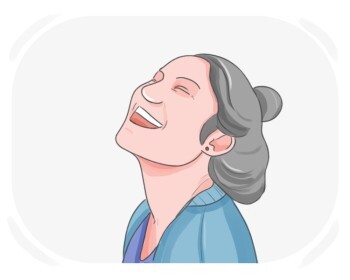
to laugh
to laugh
[Verbo]

to make happy sounds and move our face like we are smiling because something is funny

ridere

ridere

Ex: Their playful teasing made her laugh in delight. 

Le loro prese in giro giocose la fecero ridere di gioia.

Chiudi
Accedi
to wait
to wait
[Verbo]

to not leave until a person or thing is ready or present or something happens

aspettare

aspettare

Ex: The students had to wait patiently for the exam results. 

Gli studenti hanno dovuto aspettare pazientemente i risultati dell'esame.
Chiudi
Accedi
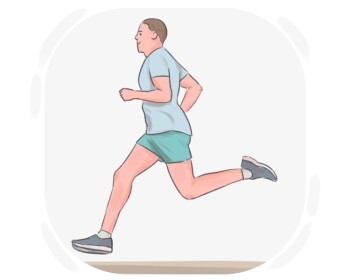
to run
to run
[Verbo]

to move using our legs, faster than we usually walk, in a way that both feet are never on the ground at the same time

correre

correre

Ex: The children love to run around in the park after school. 

I bambini adorano correre nel parco dopo la scuola.
Chiudi
Accedi
to begin
to begin
[Verbo]

to do or experience the first part of something

iniziare
iniziare

Ex: She began reading the book after dinner. 
Chiudi
Accedi
to stop
to stop
[Verbo]

to not move anymore

fermare

fermare

Ex: The bus stopped outside the station. 
Chiudi
Accedi
to buy
to buy
[Verbo]

to get something in exchange for paying money

comprare

comprare

Ex: Did you remember to buy tickets for the concert this weekend? 

Ti sei ricordato di comprare i biglietti per il concerto questo weekend?
Chiudi
Accedi
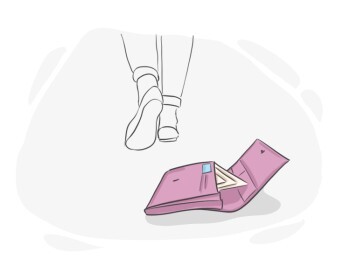
to lose
to lose
[Verbo]

to not know the location of a thing or person and be unable to find it

perdere,smarrire

perdere,smarrire

Ex: They lost their child in the crowded amusement park. 

Hanno perso il loro bambino nel parco divertimenti affollato.
Chiudi
Accedi
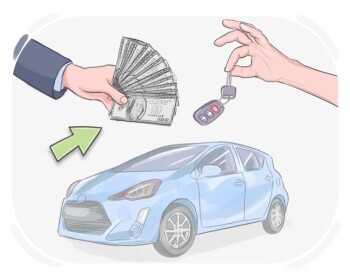
to pay
to pay
[Verbo]

to give someone money in exchange for goods or services

pagare

pagare

Ex: He paid the taxi driver for the ride to the airport. 

Ha pagato il tassista per il viaggio all'aeroporto.
Chiudi
Accedi
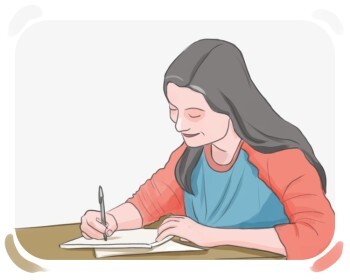
to read
to read
[Verbo]

to look at written or printed words or symbols and understand their meaning

leggere

leggere

Ex: Can you read the sign from this distance? 

Riesci a leggere il cartello da questa distanza?
Chiudi
Accedi
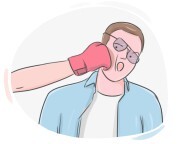
to hit
to hit
[Verbo]

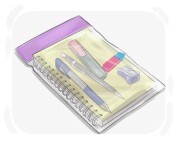
to strike someone or something with force using one's hand or an object

colpire

colpire

Ex: The baseball player hit the ball out of the park for a home run. 

Il giocatore di baseball ha colpito la palla fuori dal parco per un fuoricampo.
Chiudi
Accedi
to include
to include
[Verbo]

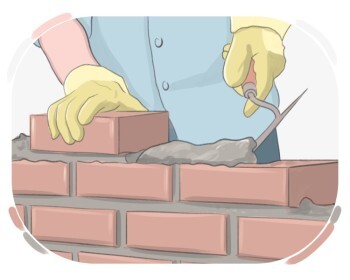
to have someone or something as a part, member, or component of a larger whole

to have someone or something as a part, member, or component of a larger whole, includere
to have someone or something as a part, member, or component of a larger whole, includere

Ex: Her daily responsibilities include answering emails and organizing meetings. 
Chiudi
Accedi
to build
to build
[Verbo]

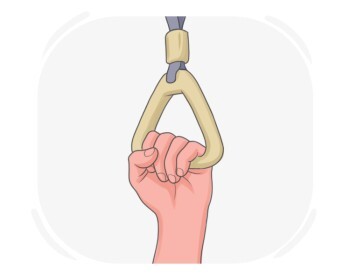
to put together different materials such as brick to make a building, etc.

costruire

costruire

Ex: The historical monument was built in the 18th century. 

Il monumento storico fu costruito nel XVIII secolo.
Chiudi
Accedi
to hold
to hold
[Verbo]

to have in your hands or arms

tenere

tenere

Ex: She held the baby in her arms. 
Chiudi
Accedi
to allow
to allow
[Verbo]

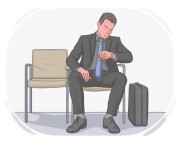
to let someone or something do a particular thing

permettere

permettere

Ex: The rules do not allow smoking in this area. 

Le regole non consentono di fumare in questa area.
Chiudi
Accedi
to stay
to stay
[Verbo]

to remain in a particular place

rimanere

rimanere

Ex: We were about to leave, but our friends convinced us to stay for a game of cards. 

Stavamo per andarcene, ma i nostri amici ci hanno convinto a restare per una partita a carte.
Chiudi
Accedi
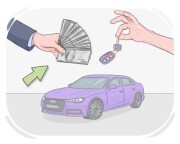
to spend
to spend
[Verbo]

to use money as a payment for services, goods, etc.

spendere

spendere

Ex: She doesn't like to spend money on things she doesn't need. 

A lei non piace spendere soldi per cose di cui non ha bisogno.
Chiudi
Accedi
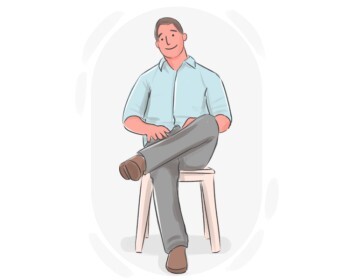
to sit
to sit
[Verbo]

to put our bottom on something like a chair or the ground while keeping our back straight

sedere

sedere

Ex: She found a bench and sat there to rest. 

Trovò una panchina e si sedette lì per riposare.
Chiudi
Accedi
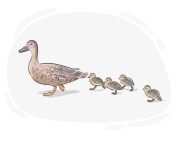
to follow
to follow
[Verbo]

to move or travel behind someone or something

seguire

seguire

Ex: The procession moved slowly, and the crowd respectfully followed behind. 

La processione si muoveva lentamente e la folla seguiva rispettosamente dietro.
Chiudi
Accedi
to grow
to grow
[Verbo]

to get larger and taller and become an adult over time

crescere

crescere

Ex: Children grow quickly during their early years. 
Chiudi
Accedi
to lead
to lead
[Verbo]

to guide or show the direction for others to follow

condurre

condurre

Ex: Please follow me, and I'll lead you to the conference room. 

Per favore, seguitemi e vi condurrò alla sala conferenze.
Chiudi
Accedi
to continue

to keep doing an activity without stopping

continuare

continuare

Ex: The researchers continued their work despite the lack of funding. 
Chiudi
Accedi
LanGeek
Scarica l'app LanGeek