
500 verbes anglais les plus courants - Top 51 - 75 Verbes
Ici, vous êtes fourni avec la partie 3 de la liste des verbes les plus courants en anglais tels que "attendre", "croire" et "rire".
Réviser
Flashcards
formes
Orthographe
Quiz
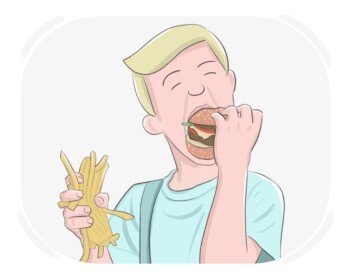
to put food into the mouth, then chew and swallow it

manger
Il était trop occupé pour manger le déjeuner en raison de réunions consécutives.
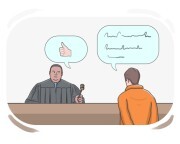
to accept something to be true even without proof
croire
Pendant longtemps, j'ai cru ses récits d'aventure exagérés.
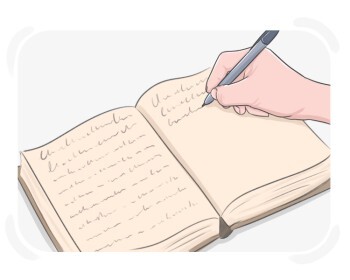
to make letters, words, or numbers on a surface, usually on a piece of paper, with a pen or pencil
écrire
Il a rapidement écrit le numéro de téléphone important.

to talk to someone about something
parler, discuter
Nous devons parler au responsable de notre réservation.
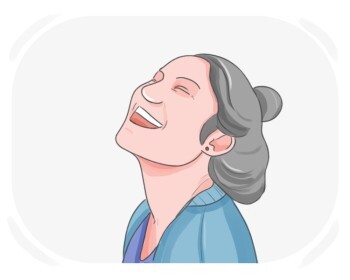
to make happy sounds and move our face like we are smiling because something is funny
rire
Nous avons ri tellement que nos ventres nous faisaient mal.

to not leave until a person or thing is ready or present or something happens
attendre
Veuillez patienter un moment pendant que je vérifie la disponibilité de l'article.
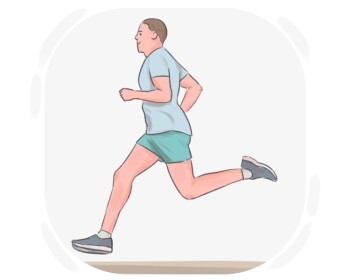
to move using our legs, faster than we usually walk, in a way that both feet are never on the ground at the same time
courir
J'ai dû courir pour m'assurer de ne pas rater le train.
to do or experience the first part of something
commencer
John venait de commencer une probation de dix ans pour son implication dans le vol.
to not move anymore
arrêter, s'arrêter
Le bus s'est arrêté à l'arrêt de bus pour prendre des passagers.

to get something in exchange for paying money
acheter
Il a acheté un nouveau téléphone pour remplacer l'ancien.
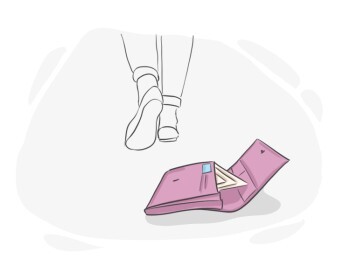
to not know the location of a thing or person and be unable to find it
perdre, égarer
Elle a perdu son portefeuille en rentrant du travail.
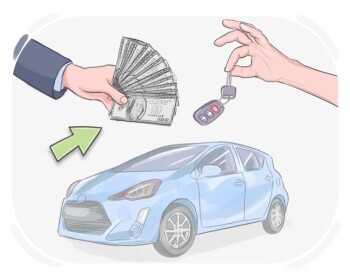
to give someone money in exchange for goods or services
payer
Pouvez-vous payer la baby-sitter quand nous rentrons à la maison ?
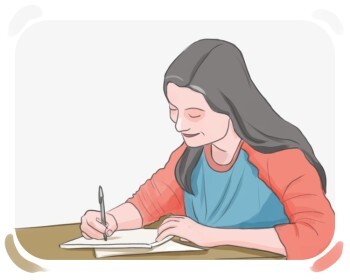
to look at written or printed words or symbols and understand their meaning
lire
Veuillez lire attentivement les instructions.

to strike someone or something with force using one's hand or an object
frapper
Le boxeur a frappé son adversaire avec un coup puissant.
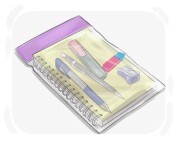
to have something as a part of the whole
inclure, comprendre
L'offre groupée inclut l'hébergement à l'hôtel et les visites touristiques.
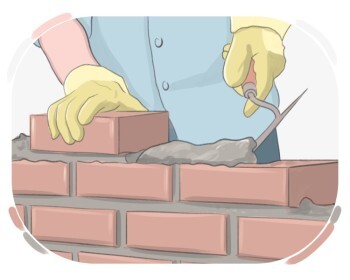
to put together different materials such as brick to make a building, etc.
construire, bâtir
Les oiseaux construisent des nids complexes pour protéger leurs œufs.
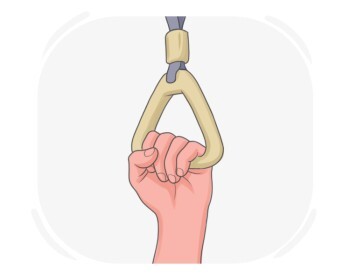
to have in your hands or arms
tenir, porter
Elle a tenu la main de son amie pour se soutenir pendant le film effrayant.

to let someone or something do a particular thing
permettre
La nouvelle politique permet aux employés de travailler à distance.
to remain in a particular place
rester
Le chien est dressé à rester à un endroit jusqu'à ce qu'on lui donne l'ordre de bouger.
to use money as a payment for services, goods, etc.
dépenser
Je dois faire attention à ne pas dépenser trop pour des articles inutiles.
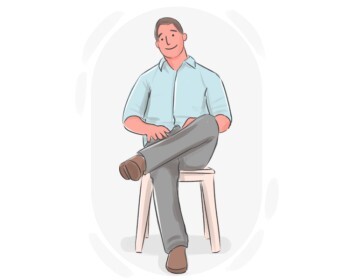
to put our bottom on something like a chair or the ground while keeping our back straight
s’asseoir
Pendant la réunion, tout le monde a été encouragé à s'asseoir en cercle pour une meilleure communication.
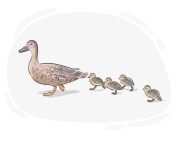
to move or travel behind someone or something
suivre
Elle est entrée dans la pièce, et son chien l'a suivi docilement.

to get larger and taller and become an adult over time
grandir, mûrir, pousser
Je n'arrive pas à croire à quelle vitesse mon neveu grandit.

to guide or show the direction for others to follow
conduire, guider
Papa a conduit la famille en randonnée dans la forêt.
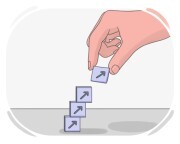
to not stop something, such as a task or activity, and keep doing it
continuer
La pluie a continué à tomber toute la journée.
