
500 nejčastějších anglických sloves - Top 51 - 75 Sloves
Zde vám je poskytnuta část 3 seznamu nejčastějších sloves v angličtině, jako jsou "čekat", "věřit" a "smát se".
Revize
Kartičky
Pravopis
Kvíz
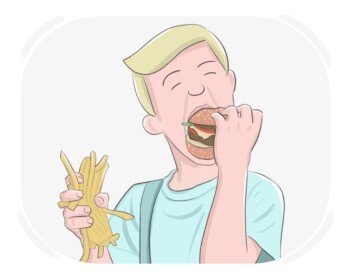
to put food into the mouth, then chew and swallow it

jíst
Rádi si v pátek večer jedí pizzu.
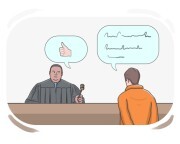
to accept something as true or real, even without conclusive proof
to accept something as true or real, even without conclusive proof
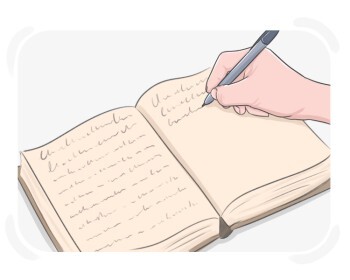
to make letters, words, or numbers on a surface, usually on a piece of paper, with a pen or pencil
psát
Můžete napsat svou adresu na tento formulář?

to talk to someone about something
mluvit,diskutovat
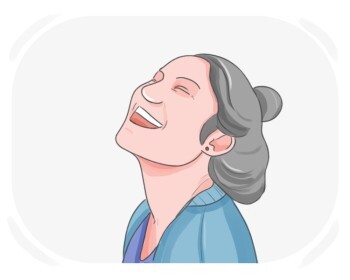
to make happy sounds and move our face like we are smiling because something is funny
smát se,rozchechtat se
Tvá reakce byla tak vtipná, že jsem se smál několik minut.

to not leave until a person or thing is ready or present or something happens
čekat,vyčkávat
Trpělivě čekáme, až přestane pršet.
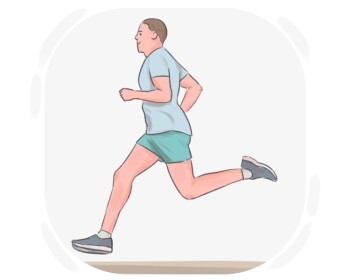
to move using our legs, faster than we usually walk, in a way that both feet are never on the ground at the same time
běhat
Když uslyšel zprávu, utíkal domů.
to do or experience the first part of something
začít,zahájit

to get something in exchange for paying money
koupit
Potřebuji koupit potraviny na dnešní večeři.
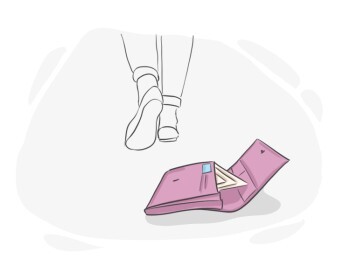
to not know the location of a thing or person and be unable to find it
ztratit,ztrácet
Nemůžu najít svůj telefon; myslím, že jsem ho ztratil.
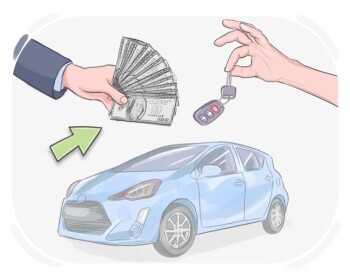
to give someone money in exchange for goods or services
platit,odměnit
Ona zaplatila opraváři, aby opravil její rozbitou myčku nádobí.
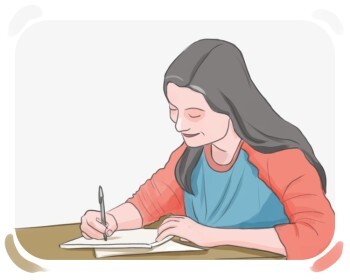
to look at written or printed words or symbols and understand their meaning
číst,čtení
Tuto knihu mohu snadno přečíst.
to strike someone or something with force using one's hand or an object
udeřit,bít
Omylem jsem udeřil kladivem do palce.
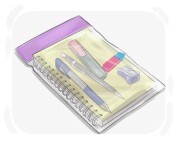
to have someone or something as a part, member, or component of a larger whole
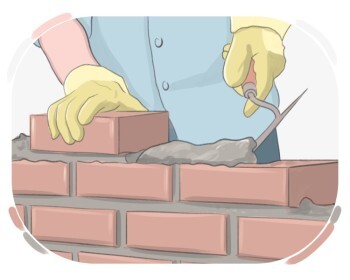
to put together different materials such as brick to make a building, etc.
stavět,budovat
Stavební tým staví nový kancelářský komplex v centru města.
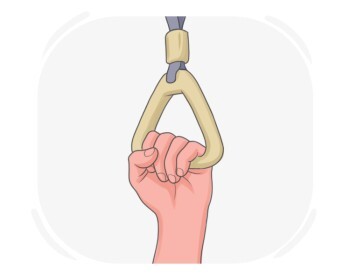
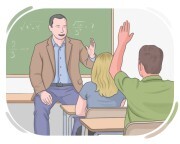
to let someone or something do a particular thing
dovolit,povolit
Dovolila svým dětem hrát si v parku.
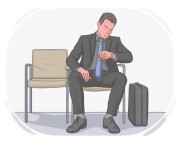
to remain in a particular place
zůstat,pobývat
Počasí je příliš nepředvídatelné, takže je lepší zůstat uvnitř.
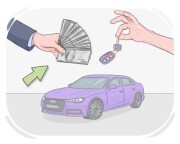
to use money as a payment for services, goods, etc.
utrácet,vydávat
Během svátků utratila hodně za dárky pro svou rodinu.
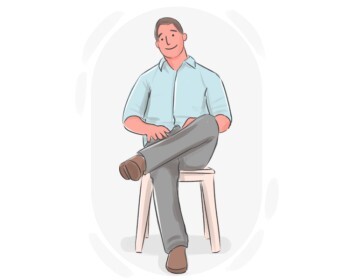
to put our bottom on something like a chair or the ground while keeping our back straight
sedět,posadit se
Po dlouhém výletě jsme našli pěkné místo, kde se posadit a uspořádat piknik.
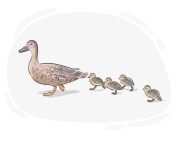
to move or travel behind someone or something
následovat,jít za
Tým následoval svého vůdce na horu.
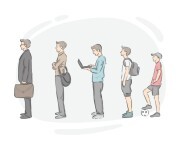
to get larger and taller and become an adult over time
růst,vyrůst

to guide or show the direction for others to follow
vést,provádět
Prosím, následujte mě a já vás zavedu do konferenční místnosti.
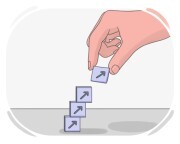
to not stop something, such as a task or activity, and keep doing it
pokračovat,nepřestávat
Byla příliš vyčerpaná, aby pokračovala v běhu.
