
500 Najczęstszych Angielskich Czasowników - Top 51 - 75 Czasowników
Tutaj otrzymujesz część 3 listy najczęściej używanych czasowników w języku angielskim, takich jak "czekać", "wierzyć" i "śmiać się".
Przegląd
Fiszki
formy
Pisownia
Test
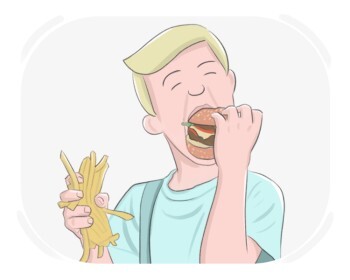
to put food into the mouth, then chew and swallow it

jeść
Lubią jeść pizzę w piątkowe wieczory.
to accept something to be true even without proof
wierzyć, ufać
Uwierzyłem jej wymówkom za opuszczenie spotkania.
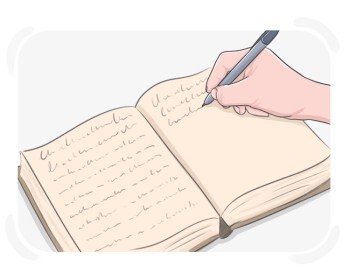
to make letters, words, or numbers on a surface, usually on a piece of paper, with a pen or pencil
pisać
Czy możesz napisać swój adres na tym formularzu?

to talk to someone about something
mówić, dyskutować
Porozmawiał ze swoim przyjacielem o filmie, który obejrzeli.
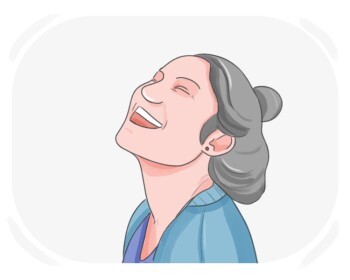
to make happy sounds and move our face like we are smiling because something is funny
śmiać się, wybuchnąć śmiechem
Kiedy opowiedziała historię, wszyscy nie mogliśmy się powstrzymać od śmiechu z nią.
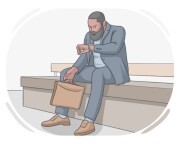
to not leave until a person or thing is ready or present or something happens
czekać, oczekiwać
Cierpliwie czekamy, aż przestanie padać.
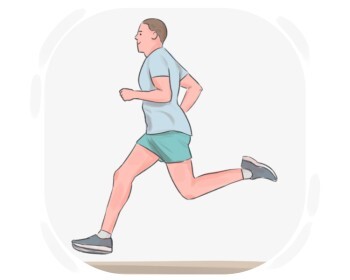
to move using our legs, faster than we usually walk, in a way that both feet are never on the ground at the same time
biegać
Gdy usłyszał wiadomość, pobiegł do domu w pośpiechu.
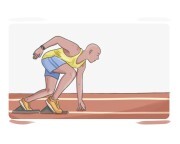
to do or experience the first part of something
zaczynać, rozpoczynać
Nauczyciel poprosił uczniów, aby zaczęli pracować nad swoimi zadaniami.
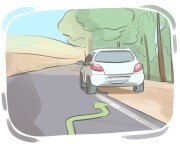
to not move anymore
zatrzymać się, przestać
Światło zmieniło się na czerwone, więc musieliśmy zatrzymać się na skrzyżowaniu.

to get something in exchange for paying money
kupować
Muszę kupić zakupy na dzisiejszą kolację.
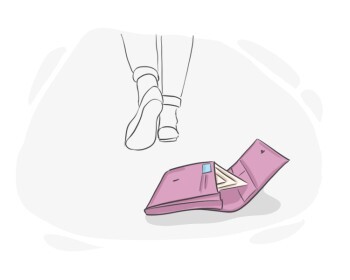
to not know the location of a thing or person and be unable to find it
zgubić, stracić
Nie mogę znaleźć swojego telefonu; myślę, że go zgubiłem.
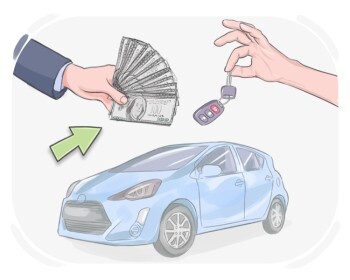
to give someone money in exchange for goods or services
płacić, wynagradzać
Ona zapłaciła mechanikowi za naprawę swojej zepsutej zmywarki.
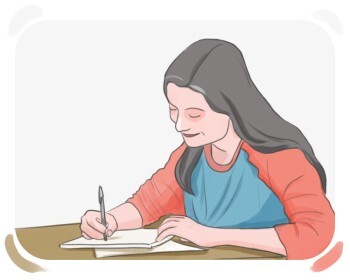
to look at written or printed words or symbols and understand their meaning
czytać, czytanie
Mogę łatwo przeczytać tę książkę.
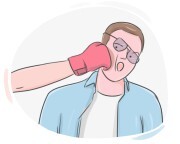
to strike someone or something with force using one's hand or an object
uderzyć, bić
Uderzył worek treningowy, aby złagodzić stres.
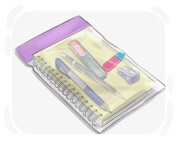
to have something as a part of the whole
zawierać, obejmować
Cena biletu obejmuje dostęp do wszystkich atrakcji.
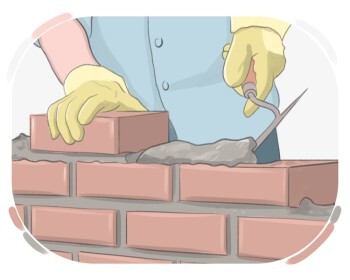
to put together different materials such as brick to make a building, etc.
budować, wznosić
Ekipa budowlana buduje nowy kompleks biurowy w centrum miasta.
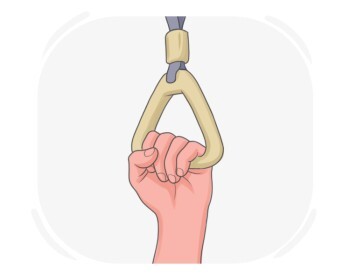
to have in your hands or arms
trzymać, nieść
Jako kapitan drużyny, z dumą trzymała puchar mistrzowski.
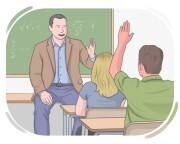
to let someone or something do a particular thing
pozwalać, zezwalać
Ona pozwoliła swoim dzieciom bawić się w parku.
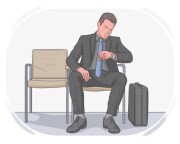
to remain in a particular place
pozostać, przebywać
Pogoda jest zbyt nieprzewidywalna, więc lepiej pozostać w pomieszczeniu.
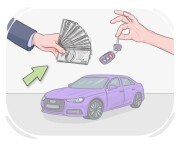
to use money as a payment for services, goods, etc.
wydawać, przeznaczać
Wydała dużo na prezenty dla swojej rodziny podczas sezonu świątecznego.
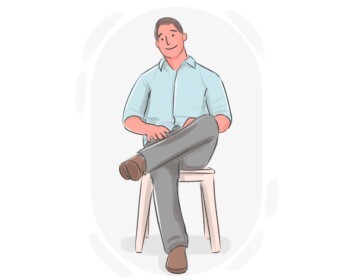
to put our bottom on something like a chair or the ground while keeping our back straight
siedzieć, usiadać
Po długiej wędrówce znaleźliśmy fajne miejsce, żeby usiąść i urządzić piknik.
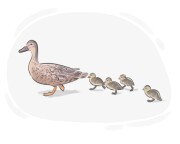
to move or travel behind someone or something
podążać, iść za
Zespół podążał za swoim liderem w górę góry.
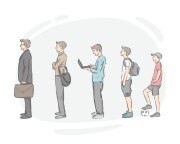
to get larger and taller and become an adult over time
rosnąć, dorastać
Gdy rosną, szczenięta wymagają dużo opieki i uwagi.
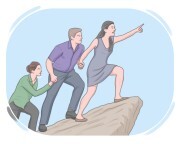
to guide or show the direction for others to follow
prowadzić, kierować
Przewodnik poprowadzi nas przez historyczne zabytki miasta.
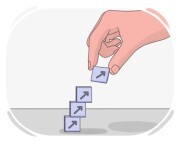
to not stop something, such as a task or activity, and keep doing it
kontynuować, nadal
Będą kontynuować ćwiczenie gry na pianinie, aby poprawić swoje umiejętności.
