pattern

Competenze Lessicali SAT 1 - lezione 33

Revisione

Flashcard

Ortografia

Quiz

Inizia a imparare
SAT Word Skills 1
to suspect
to suspect
[Verbo]

to think that someone may have committed a crime, without having proof

sospettare

sospettare

Ex: The detective suspects the woman of being the mastermind behind the crime. 
Chiudi
Accedi
suspense
suspense
[sostantivo]

a state of uncertainty or indecision

suspense, tensione

suspense, tensione

Ex: Everyone held their breath in suspense as the magician prepared his most dangerous trick. 

Tutti trattennero il respiro nel suspense mentre il mago preparava il suo trucco più pericoloso.

Chiudi
Accedi
suspicious
suspicious
[aggettivo]

doubtful about the honesty of what someone has done and having no trust in them

sospetto

sospetto

Ex: The teacher became suspicious when the student's essay seemed copied. 
Chiudi
Accedi
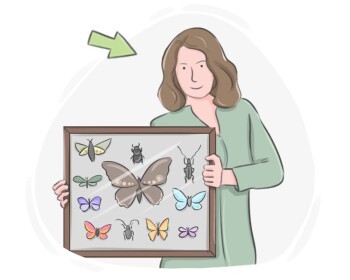
collective
collective
[aggettivo]

done, shared, or involving all members of a group acting together

collettivo
collettivo

Ex: The community expressed its collective support for the families. 
Chiudi
Accedi
collector
collector
[sostantivo]

a person who gathers and keeps objects of a particular type, especially as a hobby

collezionista

collezionista

Ex: The museum bought the vase from a well-known collector of Asian art. 
Chiudi
Accedi
visceral
visceral
[aggettivo]

regarding or involving the internal organs

viscerale, relativo agli organi interni

viscerale, relativo agli organi interni

Ex: Visceral fat surrounds internal organs and is associated with increased risk of metabolic diseases, such as diabetes and cardiovascular disorders. 

Il grasso viscerale circonda gli organi interni ed è associato a un aumentato rischio di malattie metaboliche, come il diabete e i disturbi cardiovascolari.

Chiudi
Accedi
viscid
viscid
[aggettivo]

having a thick and sticky texture, similar to glue

viscoso, appiccicoso

viscoso, appiccicoso

Ex: The viscid oil coated the surface of the pan, preventing the food from sticking. 

L'olio viscido ha ricoperto la superficie della padella, impedendo al cibo di attaccarsi.

Chiudi
Accedi
viscosity
viscosity
[sostantivo]

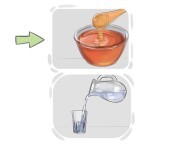
the measure of a fluid's resistance to flow, indicating its thickness or stickiness

viscosità, spessore

viscosità, spessore

Ex: The viscosity of honey is higher than that of water, making it flow slower. 

La viscosità del miele è maggiore di quella dell'acqua, facendolo scorrere più lentamente.

Chiudi
Accedi
viscount
viscount
[sostantivo]

a noble title below an earl but above a baron, used mainly in the UK

visconte, titolo nobiliare

visconte, titolo nobiliare

Ex: The town's annual festival always began with a speech from the reigning viscount, a tradition going back centuries. 

Il festival annuale della città iniziava sempre con un discorso del visconte regnante, una tradizione che risale a secoli fa.
Chiudi
Accedi
viscous
viscous
[aggettivo]

thick and sticky, resembling the consistency of glue

viscoso, appiccicoso

viscoso, appiccicoso

Ex: The viscous substance oozed slowly from the container. 

La sostanza viscosa colava lentamente dal contenitore.

Chiudi
Accedi
anthropocentric
anthropocentric
[aggettivo]

centered on or viewing things in terms of human values and experiences

antropocentrico

antropocentrico

Ex: Many kids' movies have an anthropocentric theme, with humans as the main characters. 

Molti film per bambini hanno un tema antropocentrico, con gli umani come personaggi principali.

Chiudi
Accedi
anthropocentrism
anthropocentrism
[sostantivo]

the belief that human perspectives and values are the most important in understanding the world

antropocentrismo, centrismo umano

antropocentrismo, centrismo umano

Ex: The debate about deforestation often centers around the conflict between economic growth and challenging anthropocentrism. 

Il dibattito sulla deforestazione spesso si concentra sul conflitto tra crescita economica e la sfida all'antropocentrismo.

Chiudi
Accedi
anthropoid
anthropoid
[aggettivo]

having characteristics similar to those of humans

antropoide, simile all'umano

antropoide, simile all'umano

Ex: The robot had an anthropoid design with limbs and a face. 

Il robot aveva un design antropoide con arti e un volto.
Chiudi
Accedi
anthropology
anthropology
[sostantivo]

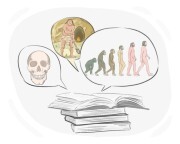
the study of the origins and developments of the human race and its societies and cultures

Antropologia

Antropologia

Ex: Biological anthropology explores human evolution, genetics, and physical adaptations through the study of fossils, primates, and modern human populations. 

L'antropologia biologica esplora l'evoluzione umana, la genetica e gli adattamenti fisici attraverso lo studio di fossili, primati e popolazioni umane moderne.

Chiudi
Accedi
anthropomorphous
anthropomorphous
[aggettivo]

looking or shaped similar to a human

antropomorfo, dall'aspetto umano

antropomorfo, dall'aspetto umano

Ex: The shadow on the cave wall had an anthropomorphous outline, looking eerily like a standing person. 

L'ombra sul muro della caverna aveva un contorno antropomorfo, assomigliando stranamente a una persona in piedi.

Chiudi
Accedi
oblivion
oblivion
[sostantivo]

the state of being completely forgotten or overlooked

oblio, dimenticanza

oblio, dimenticanza

Ex: Many ancient languages have faded into oblivion, no longer spoken or remembered. 

Molte lingue antiche sono cadute nell'oblio, non più parlate né ricordate.

Chiudi
Accedi
oblivious
oblivious
[aggettivo]

lacking conscious awareness of something

inconsapevole, ignaro

inconsapevole, ignaro

Ex: The children were oblivious to the time, playing happily in the park long after sunset. 

I bambini erano ignari del tempo, giocando felici nel parco molto tempo dopo il tramonto.

Chiudi
Accedi
fortitude
fortitude
[sostantivo]

mental and emotional strength and resilience in facing adversity, challenges, or difficult situations

coraggio

coraggio

Ex: Facing financial difficulties with fortitude, she managed to stay optimistic. 

Affrontando le difficoltà finanziarie con forza d'animo, è riuscita a rimanere ottimista.

Chiudi
Accedi
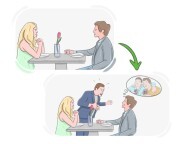
to fortify
to fortify
[Verbo]

to secure a place and make it resistant against attacks, particularly by building walls around it

rafforzare, fortificare

rafforzare, fortificare

Ex: The city decided to fortify its borders with a tall, robust wall to deter potential invaders. 

La città ha deciso di fortificare i suoi confini con un muro alto e robusto per scoraggiare i potenziali invasori.
Chiudi
Accedi
fortuitous
fortuitous
[aggettivo]

happening unexpectedly in a way that brings good fortune or benefit

fortuito

fortuito

Ex: Her fortuitous win in the raffle paid for the entire vacation. 

La sua vincita fortuita alla riffa ha pagato l'intera vacanza.

Chiudi
Accedi
LanGeek
Scarica l'app LanGeek