
pattern

SAT Word Skills 1 - Lesson 33

Review

Flashcards

Forms

Spelling

Quiz

Start learning
SAT Word Skills 1
to suspect

to think that someone may have committed a crime, without having proof

Ex: The police began to suspect him after they found his fingerprints at the crime scene. 
Close
Sign in
suspense
suspense
[noun]

a state of uncertainty or indecision

Ex: Everyone held their breath in suspense as the magician prepared his most dangerous trick. 
Close
Sign in
suspicious
suspicious
[Adjective]

doubtful about the honesty of what someone has done and having no trust in them

Ex: The manager became suspicious when he noticed discrepancies in the financial reports. 
Close
Sign in
collective
collective
[Adjective]

involving, done, or shared by all members of a group
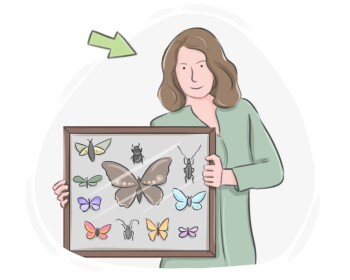
Ex: The collective efforts of the volunteers resulted in a successful charity event. 
Close
Sign in
collector
collector
[noun]

someone who gathers things, as a job or hobby

Ex: The art collector spent millions on a rare painting at the auction. 
Close
Sign in
visceral
visceral
[Adjective]

regarding or involving the internal organs

Ex: The surgeon specialized in visceral injuries, often treating gunshot and stab wounds. 
Close
Sign in
viscid
viscid
[Adjective]

having a thick and sticky texture, similar to glue

Ex: The viscid substance adhered to his fingers as he tried to scoop it up. 
Close
Sign in
viscosity
viscosity
[noun]

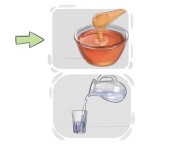
the measure of a fluid's resistance to flow, indicating its thickness or stickiness

Ex: Motor oil is specifically designed with a certain viscosity to function optimally in engines. 
Close
Sign in
viscount
viscount
[noun]

a noble title below an earl but above a baron, used mainly in the UK
Ex: The town's annual festival always began with a speech from the reigning viscount, a tradition going back centuries. 
Close
Sign in
viscous
viscous
[Adjective]

thick and sticky, resembling the consistency of glue

Ex: After cooling, the melted sugar became viscous, perfect for crafting candy. 
Close
Sign in
anthropocentric
anthropocentric
[Adjective]

centered on or viewing things in terms of human values and experiences

Ex: The philosopher argued against an overly anthropocentric worldview, emphasizing the interconnectedness of all life. 
Close
Sign in
anthropocentrism

the belief that human perspectives and values are the most important in understanding the world

Ex: The debate about deforestation often centers around the conflict between economic growth and challenging anthropocentrism. 
Close
Sign in
anthropoid
anthropoid
[Adjective]

having characteristics similar to those of humans
Ex: The robot had an anthropoid design with limbs and a face. 
Close
Sign in
anthropology

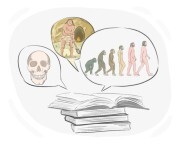
the study of the origins and developments of the human race and its societies and cultures

Ex: Sarah decided to major in anthropology to study the diverse cultures and societies around the world. 
Close
Sign in
anthropomorphous
anthropomorphous
[Adjective]

looking or shaped similar to a human

Ex: The shadow on the cave wall had an anthropomorphous outline, looking eerily like a standing person. 
Close
Sign in
oblivion
oblivion
[noun]

the state of being completely forgotten or overlooked

Ex: Without preservation efforts, historic landmarks risk falling into oblivion and losing their cultural significance. 
Close
Sign in
oblivious
oblivious
[Adjective]

lacking conscious awareness of something

Ex: Despite the loud noise, the baby remained oblivious, peacefully sleeping in her crib. 
Close
Sign in
fortitude
fortitude
[noun]

mental and emotional strength and resilience in facing adversity, challenges, or difficult situations

Ex: Her fortitude during the long illness was truly inspiring. 
Close
Sign in
to fortify

to secure a place and make it resistant against attacks, particularly by building walls around it
Ex: The city decided to fortify its borders with a tall, robust wall to deter potential invaders. 
Close
Sign in
fortuitous
fortuitous
[Adjective]

happening unexpectedly in a way that brings good fortune or benefit

Ex: Their meeting at the café was entirely fortuitous—and led to a lifelong friendship. 
Close
Sign in
LanGeek
Download LanGeek app