
Il libro Face2face - Intermedio Superiore - Unità 1 - 1C
Qui troverai il vocabolario dell'Unità 1 - 1C del libro di testo Face2Face Upper-Intermediate, come "forzare", "convincere", "fingere", ecc.
Ripasso
Flashcard
Ortografia
Quiz

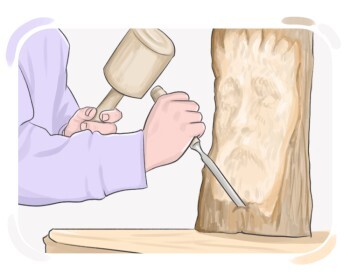
to form, produce, or prepare something, by putting parts together or by combining materials

fare
Il vestito era fatto di seta, adornato con ricami intricati.

to provide someone with support, hope, or confidence
incoraggiare
La comunità di supporto si è riunita per incoraggiare l'artista locale, aiutandola a credere nel suo talento e a perseguire una carriera nelle arti.
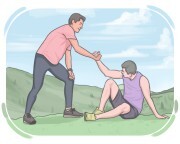
to give someone what they need
aiutare
L'ha aiutata a trovare un nuovo lavoro.

to be able to do somehing, make something, etc.
potere
Come programmatore, può sviluppare applicazioni software complesse.

to let someone or something do a particular thing
permettere
Le regole non consentono di fumare in questa area.
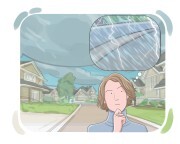
to think or believe that it is possible for something to happen or for someone to do something
aspettare
Si aspetta una promozione dopo tutto il suo duro lavoro quest'anno.
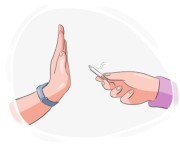
to say or show that one is unwilling to do something
rifiutare

to make someone behave a certain way or do a particular action, even if they do not want to
forzare,costringere
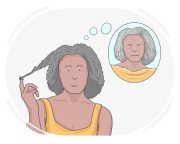
used for forming future tenses
futuro semplice
L'azienda lancerà il suo nuovo prodotto il prossimo anno.
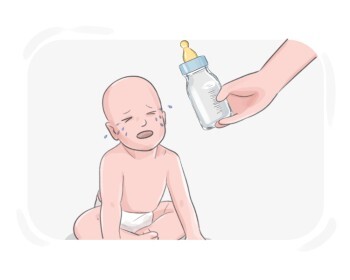
to want something or someone that we must have if we want to do or be something
aver bisogno
La casa ha bisogno di essere pulita prima che arrivino gli ospiti.

used to express a possibility
potrebbe
Potrebbero offrire sconti durante il periodo delle feste.
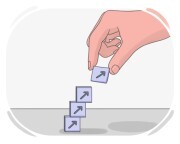
to keep doing an activity without stopping
continuare
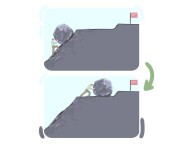
to do something difficult successfully
riuscire,gestire
Non solo è riuscito a soddisfare le aspettative, ma le ha anche superate.
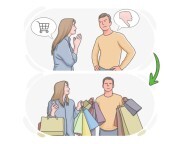
to eventually reach or find oneself in a particular place, situation, or condition, often unexpectedly or as a result of circumstances
finire, ritrovarsi alla fine
used to express an ability or permission that someone had in the past
potrebbe
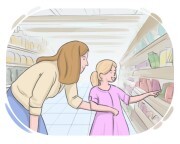
to wish to do or have something
volere
Cosa vuole per il suo compleanno?
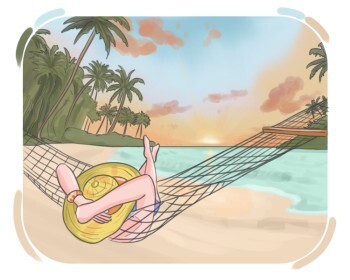
to take pleasure or find happiness in something or someone
gustare
Nonostante la pioggia, hanno goduto del concerto all'aperto.
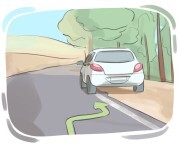
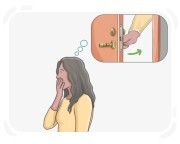
to bring a type of information from the past to our mind again
ricordare
Noi ricordiamo con affetto i nostri ricordi d'infanzia.
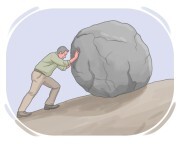
to make an effort or attempt to do or have something
provare
Abbiamo provato a trovare un parcheggio ma abbiamo dovuto parcheggiare lontano.
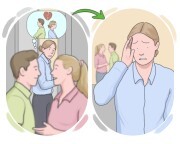
to intentionally stay away from or refuse contact with someone
evitare
Lo evitarono alla festa, fingendo di non notare la sua presenza.
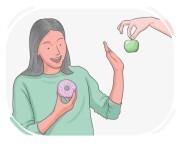
used to express a preference for one option over another
preferisci
to like or value someone or something more than another and therefore choose them when given a choice
preferire
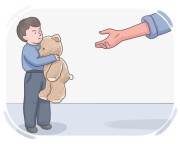
to have or continue to have something
tenere
Lei ha conservato tutti i suoi disegni come cari ricordi.
to allow something to happen or someone to do something
lasciare, permettere
L'insegnante ha lasciato uscire prima gli studenti a causa della tormenta.
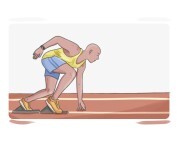
to begin something new and continue doing it, feeling it, etc.
cominciare, iniziare
Il ristorante ha iniziato a offrire una nuova voce del menu che è diventata popolare.
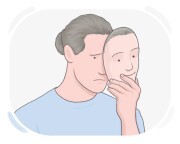
to give the impression of having a particular quality or being or doing something
sembrare
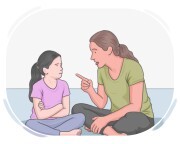
to express that something is right or appropriate, especially when criticizing what someone has done
dovrebbe

to decide and arrange the details of an activity or event before it happens

to use words in a question form or tone to get answers from someone
domandare, chiedere
Lei ha chiesto il programma della giornata.

to want something to happen or be true
sperare
La squadra si allena diligentemente, sperando di vincere il campionato.
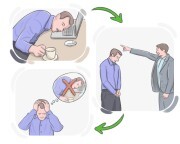
to feel sorry or disappointed about something that happened or that one did or failed to do
deplorare

(often used in negative or question form) to be upset, offended, or bothered by something
dispiaciere
Le dispiace se usiamo il suo laptop per finire il progetto?

to make something end
finire
Finirò questo compito il prima possibile.
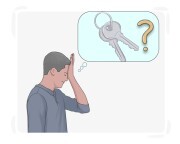
to not be able to remember something or someone from the past
dimenticare
Non dimenticherà mai la gentilezza che gli hai mostrato.
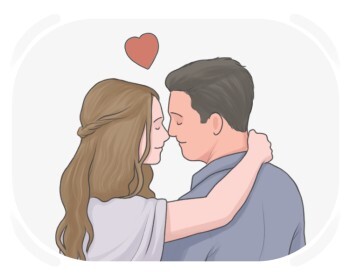
to have very strong feelings for someone or something that is important to us and we like a lot and want to take care of
amare
Loro amano la loro città natale e sono orgogliosi della sua storia e delle sue tradizioni.
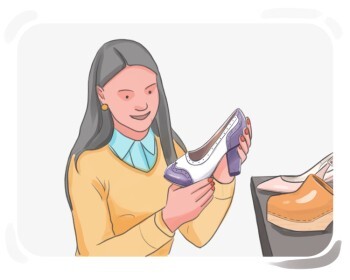
to feel that someone or something is good, enjoyable, or interesting
piacere,gradire
Che tipo di musica ti piace?
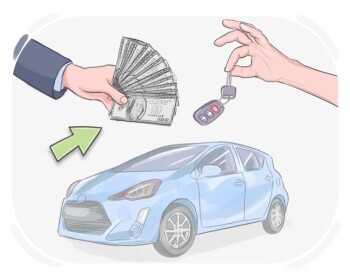
to give someone money in exchange for goods or services
pagare
Ha pagato il tassista per il viaggio all'aeroporto.
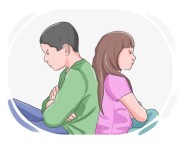
to really not like something or someone
odiare
Loro odiano aspettare in lunghe file al negozio di alimentari.
to do or experience the first part of something
iniziare
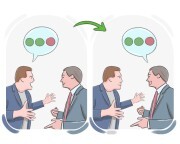
to persuade someone to do something by giving reasons or arguments
convincere
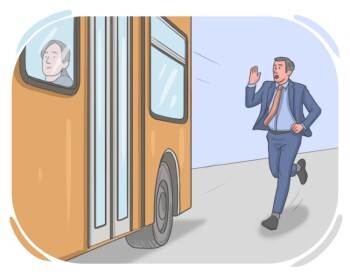
to fail to catch a bus, airplane, etc.
perdere
Era così immersa nel suo libro che perse la fermata della metro.
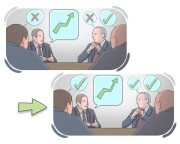
to make a person do something through reasoning or other methods
convincere
È stato facilmente convinto dall'idea di una fuga nel weekend.
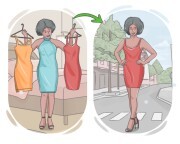
to make a choice or reach a conclusion after considering different possibilities
decidere
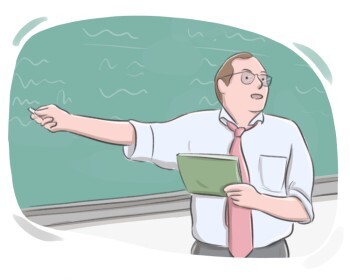
to give lessons to students in a university, college, school, etc.
insegnare
Ha insegnato matematica nella scuola superiore locale per dieci anni.
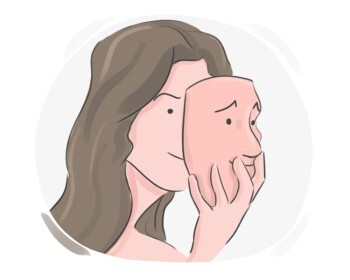
to behave in a way intended to make others believe something that is not true
fingere
