pattern

Książka Face2face - Średnio zaawansowany wyższy - Jednostka 1 - 1C

Tutaj znajdziesz słownictwo z Unitu 1 - 1C podręcznika Face2Face Upper-Intermediate, takie jak "zmuszać", "przekonywać", "udawać" itp.

Przegląd

Fiszki

formy

Pisownia

Test

Zacznij naukę
Face2face - Upper-intermediate
to make
to make
[Czasownik]

to form, produce, or prepare something, by putting parts together or by combining materials

robić, wytwarzać

robić, wytwarzać

Ex: The students will make a model of the solar system for the science fair. 
to encourage
to encourage
[Czasownik]

to provide someone with support, hope, or confidence

zachęcać, wspierać
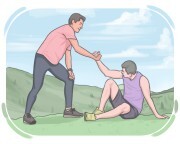
zachęcać, wspierać

Ex: The teacher always took the time to encourage her students, praising their efforts and boosting their confidence in the classroom. 
to help
to help
[Czasownik]

to give someone what they need

pomagać, wspierać

pomagać, wspierać

Ex: She helped him carry the boxes upstairs. 
can
can
[Czasownik]

to be able to do somehing, make something, etc.

móc, być w stanie

móc, być w stanie

Ex: With his carpentry skills, he can craft intricate wooden furniture. 
to allow
to allow
[Czasownik]

to let someone or something do a particular thing

pozwalać, zezwalać

pozwalać, zezwalać

Ex: She allowed her children to play in the park. 
to expect
to expect
[Czasownik]

to think or believe that it is possible for something to happen or for someone to do something

oczekiwać, przewidywać

oczekiwać, przewidywać

Ex: The weather forecast led us to expect rain this weekend. 
to refuse
to refuse
[Czasownik]

to say or show one's unwillingness to do something that someone has asked

odmawiać, odrzucać

odmawiać, odrzucać

Ex: The student had to refuse the invitation to join the extracurricular club due to time constraints. 
to force
to force
[Czasownik]

to make someone behave a certain way or do a particular action, even if they do not want to

zmuszać, przymuszać
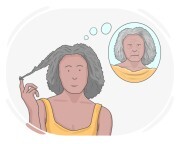
zmuszać, przymuszać

Ex: The authoritarian government often forces citizens to conform to its ideologies. 
will
will
[Czasownik]

used for forming future tenses

będę, zrobię
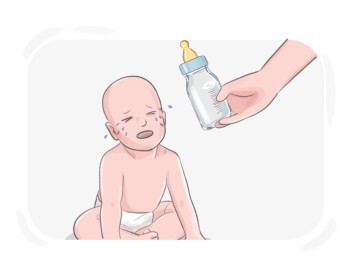
będę, zrobię

Ex: I will finish my homework before dinner. 
to need
to need
[Czasownik]

to want something or someone that we must have if we want to do or be something

potrzebować, wymagać
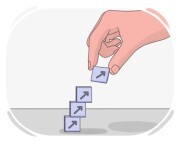
potrzebować, wymagać

Ex: Do you need any help with your project? 
might
might
[Czasownik]

used to express a possibility

mógłby, może

mógłby, może

Ex: It might rain later this evening. 
to continue
to continue
[Czasownik]

to not stop something, such as a task or activity, and keep doing it

kontynuować, nadal
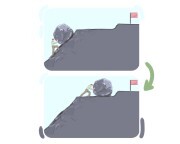
kontynuować, nadal

Ex: They will continue practicing the piano to improve their skills. 
to manage
to manage
[Czasownik]

to do something difficult successfully

zarządzać, dawać sobie radę
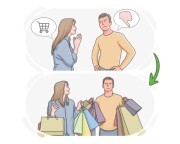
zarządzać, dawać sobie radę

Ex: She managed to finish the project just before the deadline. 
to end up
to end up
[Czasownik]

to eventually reach or find oneself in a particular place, situation, or condition, often unexpectedly or as a result of circumstances

skończyć, znaleźć się

skończyć, znaleźć się

Ex: Despite careful planning, we somehow ended up getting lost in the unfamiliar city. 
could
could
[Czasownik]

used as the past tense of ‘can’

mogłem, mogła

mogłem, mogła

Ex: When I was younger, I could run faster. 
to want
to want
[Czasownik]

to wish to do or have something

chcieć, pragnąć

chcieć, pragnąć

Ex: He wants to go to the beach. 
to enjoy
to enjoy
[Czasownik]

to take pleasure or find happiness in something or someone

cieszyć się, lubić
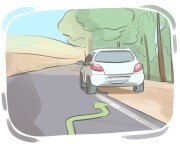
cieszyć się, lubić

Ex: She enjoys listening to classical music while working. 
to stop
to stop
[Czasownik]

to not move anymore

zatrzymać się, przestać
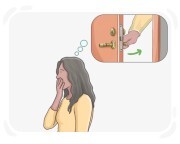
zatrzymać się, przestać

Ex: The car stopped at the pedestrian crosswalk. 
to remember
to remember
[Czasownik]

to bring a type of information from the past to our mind again

pamiętać, przypominać sobie
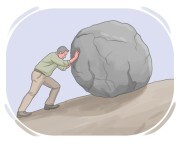
pamiętać, przypominać sobie

Ex: Can you remember the name of the book we were talking about? 
to try
to try
[Czasownik]

to make an effort or attempt to do or have something

próbować, starać się
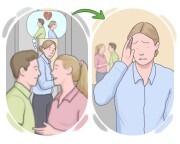
próbować, starać się

Ex: He tried to lift the heavy box but it was too heavy. 
to avoid
to avoid
[Czasownik]

to intentionally stay away from or refuse contact with someone

unikać, omijać
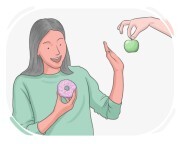
unikać, omijać

Ex: To prevent a confrontation, he tried to avoid his ex-girlfriend at the party. 
would rather
would rather
[Zdanie]

used to express a preference for one option over another

Ex: She would rather stay home and read a book than go out to a party. 
to prefer
to prefer
[Czasownik]

to want or choose one person or thing instead of another because of liking them more

preferować, woleć
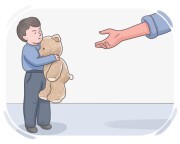
preferować, woleć

Ex: She prefers the blue dress for the party because it's her favorite color. 
to keep
to keep
[Czasownik]

to have or continue to have something

zatrzymać, przechowywać

zatrzymać, przechowywać

Ex: Do you need this document back, or can I keep it for my records? 
to let
to let
[Czasownik]

to allow something to happen or someone to do something

pozwolić, zezwolić
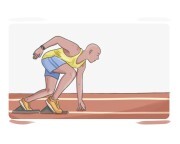
pozwolić, zezwolić

Ex: Don't let the rainy weather ruin your mood. 
to start
to start
[Czasownik]

to begin something new and continue doing it, feeling it, etc.

zaczynać, rozpoczynać
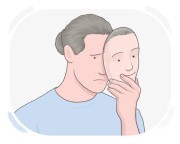
zaczynać, rozpoczynać

Ex: He started singing along to the song on the radio. 
to seem
to seem
[Czasownik]

to appear to be or do something particular

wydawać się, zdawać się
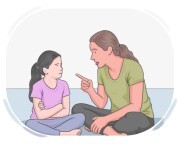
wydawać się, zdawać się

Ex: Choose whichever path seems right for you. 
should
should
[Czasownik]

used to say what is suitable, right, etc., particularly when one is disapproving of something

powinien, powinieneś

powinien, powinieneś

Ex: You should always show respect to your elders. 
to plan
to plan
[Czasownik]

to decide on and make arrangements or preparations for something ahead of time

planować, przygotowywać

planować, przygotowywać

Ex: They planned the trip months in advance to ensure everything was in place. 
to ask
to ask
[Czasownik]

to use words in a question form or tone to get answers from someone

pytać, zapytać

pytać, zapytać

Ex: Can you ask him if he'll be at the meeting tomorrow? 
to hope
to hope
[Czasownik]

to want something to happen or be true

mieć nadzieję, żyć nadzieją
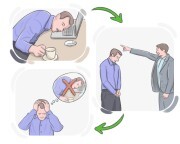
mieć nadzieję, żyć nadzieją

Ex: They hoped their team would win the championship. 
to regret
to regret
[Czasownik]

to feel sad, sorry, or disappointed about something that has happened or something that you have done, often wishing it had been different

żałować, ubolewać

żałować, ubolewać

Ex: She regretted not studying harder for the exam and wished she had put in more effort. 
to mind
to mind
[Czasownik]

(often used in negative or question form) to be upset, offended, or bothered by something

przeszkadzać, mieć coś przeciwko

przeszkadzać, mieć coś przeciwko

Ex: I don't mind if you borrow my book, just please return it when you're done. 
to finish
to finish
[Czasownik]

to make something end

zakończyć, skończyć
zakończyć, skończyć

Ex: He finished painting the walls and admired his work. 
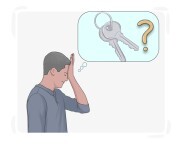
to forget
to forget
[Czasownik]

to not be able to remember something or someone from the past

zapominać, nie pamiętać

zapominać, nie pamiętać

Ex: It's easy to forget passwords, so it's essential to use a secure system. 
to love
to love
[Czasownik]

to have very strong feelings for someone or something that is important to us and we like a lot and want to take care of

kochać, uwielbiać
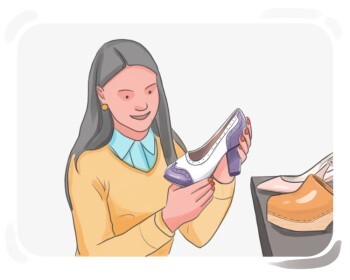
kochać, uwielbiać

Ex: He loves his dog, Max, and takes him for long walks every day. 
to like
to like
[Czasownik]

to feel that someone or something is good, enjoyable, or interesting

lubić, cieszyć się
lubić, cieszyć się

Ex: He doesn't like the feeling of being rushed. 
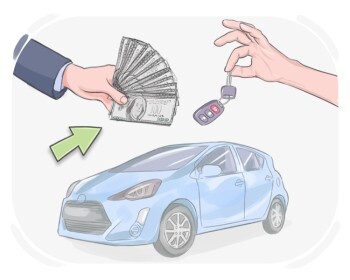
to pay
to pay
[Czasownik]

to give someone money in exchange for goods or services

płacić, wynagradzać
płacić, wynagradzać

Ex: She paid the repairman to fix her broken dishwasher. 
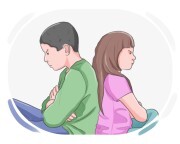
to hate
to hate
[Czasownik]

to really not like something or someone

nienawidzić, nie znosić

nienawidzić, nie znosić

Ex: Can you please stop making that noise? I hate it. 
to begin
to begin
[Czasownik]

to do or experience the first part of something

zaczynać, rozpoczynać
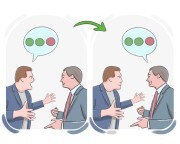
zaczynać, rozpoczynać

Ex: Let's begin the cooking process by chopping the vegetables. 
to convince
to convince
[Czasownik]

to make someone do something using reasoning, arguments, etc.

przekonać, namówić

przekonać, namówić

Ex: I tried to convince my friend to join the hiking trip by highlighting the beautiful scenery and adventure it would offer. 
to miss
to miss
[Czasownik]

to fail to catch a bus, airplane, etc.

spóźnić się, przegapić
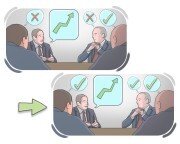
spóźnić się, przegapić

Ex: I got lost on my way to the airport and I'm going to miss my flight. 
to persuade
to persuade
[Czasownik]

to make a person do something through reasoning or other methods

przekonywać, namawiać
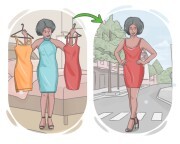
przekonywać, namawiać

Ex: The company used a compelling advertising campaign to persuade consumers to try their new product. 
to decide
to decide
[Czasownik]

to think carefully about different things and choose one of them

decydować, postanawiać
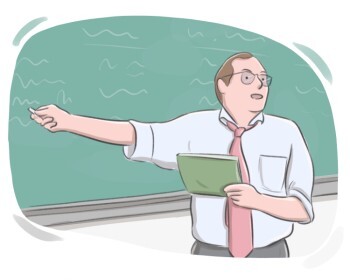
decydować, postanawiać

Ex: He had to decide whether to accept the job offer. 
to teach
to teach
[Czasownik]

to give lessons to students in a university, college, school, etc.

uczyć, prowadzić zajęcia

uczyć, prowadzić zajęcia

Ex: She teaches yoga to promote health and well-being. 
to pretend
to pretend
[Czasownik]

to act in a specific way in order to make others believe that something is the case when actually it is not so

udawać, symulować

udawać, symulować

Ex: He pretended to enjoy the meal, even though it didn't taste good, to avoid causing offense. 
LanGeek
Pobierz aplikację LanGeek