pattern

Книга Face2face - Средне-выше среднего - Раздел 1 - 1C

Здесь вы найдете словарь из Раздела 1 - 1C учебника Face2Face Upper-Intermediate, такие как "заставлять", "убеждать", "притворяться" и т.д.

Обзор

Флэш-карточки

формы

Правописание

Тест

Начать учиться
Face2face - Upper-intermediate
to make
to make
[глагол]

to form, produce, or prepare something, by putting parts together or by combining materials

создавать

создавать

Ex: By connecting the wires , you make the circuit and allow electricity to flow .

Подключая провода, вы делаете цепь и позволяете электричеству течь.

Закрыть
Войти
to encourage
to encourage
[глагол]

to provide someone with support, hope, or confidence

поощрять

поощрять

Ex: The supportive community rallied together to encourage the local artist , helping her believe in her talent and pursue a career in the arts .

Поддерживающее сообщество объединилось, чтобы подбодрить местную художницу, помогая ей поверить в свой талант и продолжить карьеру в искусстве.

Закрыть
Войти
to help
to help
[глагол]

to give someone what they need

помогать

помогать

Ex: He helped her find a new job .

Он помог ей найти новую работу.

Закрыть
Войти
can
can
[глагол]

to be able to do somehing, make something, etc.

мочь

мочь

Ex: As a programmer , he can develop complex software applications .

Как программист, он может разрабатывать сложные программные приложения.

Закрыть
Войти
to allow
to allow
[глагол]

to let someone or something do a particular thing

разрешать, позволять

разрешать, позволять

Ex: The rules do not allow smoking in this area .

Правила не позволяют курить в этой зоне.

Закрыть
Войти
to expect
to expect
[глагол]

to think or believe that it is possible for something to happen or for someone to do something

ожидать

ожидать

Ex: He expects a promotion after all his hard work this year .

Он ожидает повышения после всей своей тяжелой работы в этом году.

Закрыть
Войти
to refuse
to refuse
[глагол]

to say or show one's unwillingness to do something that someone has asked

отказываться

отказываться

Ex: He had to refuse the invitation due to a prior commitment .

Ему пришлось отказаться от приглашения из-за предыдущих обязательств.

Закрыть
Войти
to force
to force
[глагол]

to make someone behave a certain way or do a particular action, even if they do not want to

принуждать, заставлять

принуждать, заставлять

Ex: Right now , the manager is forcing employees to work overtime due to the tight deadline .

Сейчас менеджер заставляет сотрудников работать сверхурочно из-за сжатых сроков.

Закрыть
Войти
will
will
[глагол]

used for forming future tenses

будет

будет

Ex: The company will launch its new product next year .

Компания запустит свой новый продукт в следующем году.

Закрыть
Войти
to need
to need
[глагол]

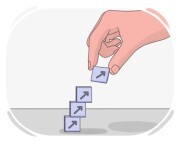
to want something or someone that we must have if we want to do or be something

нуждаться
нуждаться

Ex: The house needs cleaning before the guests arrive .

Дому нужна уборка до прихода гостей.

Закрыть
Войти
might
might
[глагол]

used to express a possibility

возможно

возможно

Ex: They might offer discounts during the holiday season .

Они могут предложить скидки в праздничный сезон.

Закрыть
Войти
to continue
to continue
[глагол]

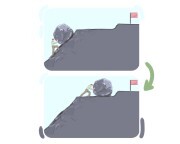
to not stop something, such as a task or activity, and keep doing it

продолжать
продолжать

Ex: She was too exhausted to continue running .

Она была слишком истощена, чтобы продолжать бежать.

Закрыть
Войти
to manage
to manage
[глагол]

to do something difficult successfully

справляться, управлять

справляться, управлять

Ex: She was too tired to manage the long hike alone .

Она была слишком уставшей, чтобы управлять длительным походом в одиночку.

Закрыть
Войти
to end up
to end up
[глагол]

to eventually reach or find oneself in a particular place, situation, or condition, often unexpectedly or as a result of circumstances

заканчиваться

заканчиваться

Ex: If we keep arguing, we’ll end up ruining our friendship.

Если мы продолжим спорить, мы в конечном итоге разрушим нашу дружбу.

Закрыть
Войти
could
could
[глагол]

used as the past tense of ‘can’

мог

мог

Ex: He could solve complex math problems effortlessly in his youth .

В молодости он мог без труда решать сложные математические задачи.

Закрыть
Войти
to want
to want
[глагол]

to wish to do or have something

хотеть

хотеть

Ex: What does she want for her birthday?

Что она хочет на день рождения?

Закрыть
Войти
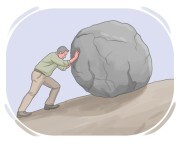
to enjoy
to enjoy
[глагол]

to take pleasure or find happiness in something or someone

наслаждаться
наслаждаться

Ex: Despite the rain , they enjoyed the outdoor concert .

Несмотря на дождь, они наслаждались концертом на открытом воздухе.

Закрыть
Войти
to stop
to stop
[глагол]

to not move anymore

остановить

остановить

Ex: The traffic light turned red , so we had to stop at the intersection .

Светофор загорелся красным, поэтому нам пришлось остановиться на перекрестке.

Закрыть
Войти
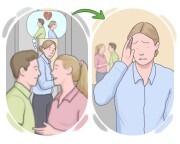
to remember
to remember
[глагол]

to bring a type of information from the past to our mind again

запомнить
запомнить

Ex: We remember our childhood memories fondly .

Мы с нежностью вспоминаем наши детские воспоминания.

Закрыть
Войти
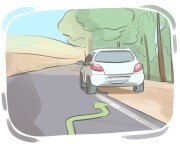
to try
to try
[глагол]

to make an effort or attempt to do or have something

пытаться
пытаться

Ex: We tried to find a parking spot but had to park far away .

Мы пытались найти место для парковки, но пришлось припарковаться далеко.

Закрыть
Войти
to avoid
to avoid
[глагол]

to intentionally stay away from or refuse contact with someone

избегать

избегать

Ex: They avoided him at the party , pretending not to notice his presence .

Они избегали его на вечеринке, делая вид, что не замечают его присутствия.

Закрыть
Войти
would rather
would rather
[Предложение]

used to express a preference for one option over another

предпочёл бы

предпочёл бы

Ex: Would you rather visit the beach or go hiking this weekend?
Закрыть
Войти
to prefer
to prefer
[глагол]

to want or choose one person or thing instead of another because of liking them more

предпочитать

предпочитать

Ex: They prefer to walk to work instead of taking public transportation because they enjoy the exercise .

Они предпочитают ходить на работу пешком, а не пользоваться общественным транспортом, потому что им нравится заниматься физическими упражнениями.

Закрыть
Войти
to keep
to keep
[глагол]

to have or continue to have something

хранить

хранить

Ex: She kept all his drawings as cherished mementos .

Она сохранила все его рисунки как дорогие воспоминания.

Закрыть
Войти
to let
to let
[глагол]

to allow something to happen or someone to do something

позволять

позволять

Ex: The teacher let the students leave early due to the snowstorm .

Учитель позволил ученикам уйти раньше из-за метели.

Закрыть
Войти
to start
to start
[глагол]

to begin something new and continue doing it, feeling it, etc.

начинать
начинать

Ex: The restaurant started offering a new menu item that became popular .

Ресторан начал предлагать новый пункт меню, который стал популярным.

Закрыть
Войти
to seem
to seem
[глагол]

to appear to be or do something particular

казаться

казаться

Ex: Surprising as it may seem, I actually enjoy doing laundry .

Как бы удивительно это ни казалось, мне на самом деле нравится стирать.

Закрыть
Войти
should
should
[глагол]

used to say what is suitable, right, etc., particularly when one is disapproving of something

следует

следует

Ex: Individuals should refrain from spreading false information on social media .

Люди должны воздерживаться от распространения ложной информации в социальных сетях.

Закрыть
Войти
to plan
to plan
[глагол]

to decide on and make arrangements or preparations for something ahead of time

планировать

планировать

Ex: She planned a surprise party for her friend , coordinating with the guests beforehand .

Она запланировала вечеринку-сюрприз для своей подруги, заранее согласовав с гостями.

Закрыть
Войти
to ask
to ask
[глагол]

to use words in a question form or tone to get answers from someone

спрашивать

спрашивать

Ex: The detective asked the suspect where they were on the night of the crime .

Детектив спросил подозреваемого, где он был в ночь преступления.

Закрыть
Войти
to hope
to hope
[глагол]

to want something to happen or be true

надеяться

надеяться

Ex: The team is practicing diligently , hoping to win the championship .

Команда усердно тренируется, надеясь выиграть чемпионат.

Закрыть
Войти
to regret
to regret
[глагол]

to feel sad, sorry, or disappointed about something that has happened or something that you have done, often wishing it had been different

сожалеть

сожалеть

Ex: They regretted not taking the job offer and wondered what could have been .

Они сожалели, что не приняли предложение о работе, и гадали, что могло бы быть.

Закрыть
Войти
to mind
to mind
[глагол]

(often used in negative or question form) to be upset, offended, or bothered by something

возражать

возражать

Ex: Does she mind if we use her laptop to finish the project ?

Она возражает, если мы воспользуемся ее ноутбуком, чтобы закончить проект?

Закрыть
Войти
to finish
to finish
[глагол]

to make something end

заканчивать, завершать

заканчивать, завершать

Ex: I will finish this task as soon as possible .

Я закончу это задание как можно скорее.

Закрыть
Войти
to forget
to forget
[глагол]

to not be able to remember something or someone from the past

забывать

забывать

Ex: He will never forget the kindness you showed him .

Он никогда не забудет доброту, которую вы ему показали.

Закрыть
Войти
to love
to love
[глагол]

to have very strong feelings for someone or something that is important to us and we like a lot and want to take care of

любить, обожать
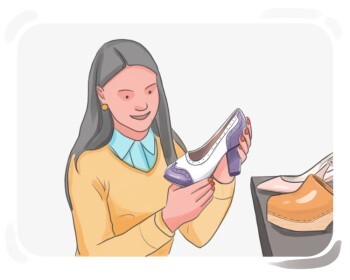
любить, обожать

Ex: They love their hometown and take pride in its history and traditions .

Они любят свой родной город и гордятся его историей и традициями.

Закрыть
Войти
to like
to like
[глагол]

to feel that someone or something is good, enjoyable, or interesting

нравиться
нравиться

Ex: What kind of music do you like?

Какую музыку ты любишь?

Закрыть
Войти
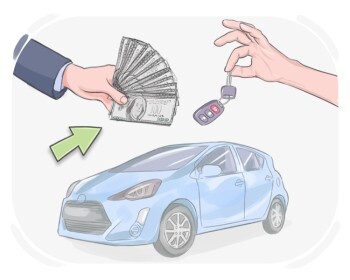
to pay
to pay
[глагол]

to give someone money in exchange for goods or services

платить
платить

Ex: He paid the taxi driver for the ride to the airport .

Он заплатил таксисту за поездку в аэропорт.

Закрыть
Войти
to hate
to hate
[глагол]

to really not like something or someone

ненавидеть

ненавидеть

Ex: They hate waiting in long lines at the grocery store .

Они ненавидят ждать в длинных очередях в продуктовом магазине.

Закрыть
Войти
to begin
to begin
[глагол]

to do or experience the first part of something

начинать

начинать

Ex: The teacher asked the students to begin working on their assignments .

Учитель попросил учеников начать работать над своими заданиями.

Закрыть
Войти
to convince
to convince
[глагол]

to make someone do something using reasoning, arguments, etc.

убеждать

убеждать

Ex: Despite his fear of flying , she managed to convince her husband to accompany her on a trip to Europe .

Несмотря на его страх перед полетами, ей удалось убедить своего мужа сопровождать ее в поездке по Европе.

Закрыть
Войти
to miss
to miss
[глагол]

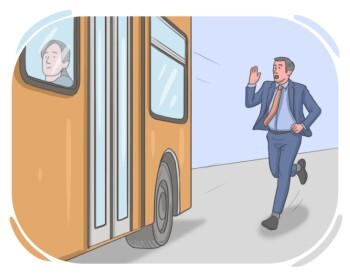
to fail to catch a bus, airplane, etc.

опоздать

опоздать

Ex: She was so engrossed in her book that she missed her metro stop .

Она была так поглощена своей книгой, что пропустила свою остановку в метро.

Закрыть
Войти
to persuade
to persuade
[глагол]

to make a person do something through reasoning or other methods

уговаривать, убеждать

уговаривать, убеждать

Ex: He was easily persuaded by the idea of a weekend getaway .

Он легко убедился идеей побега на выходные.

Закрыть
Войти
to decide
to decide
[глагол]

to think carefully about different things and choose one of them

принять решение
принять решение

Ex: I could n't decide between pizza or pasta , so I ordered both .

Я не мог решить между пиццей или пастой, поэтому заказал и то, и другое.

Закрыть
Войти
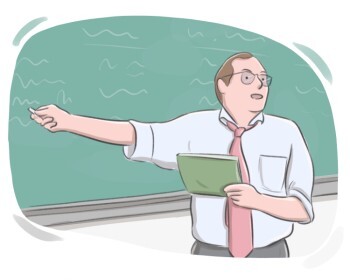
to teach
to teach
[глагол]

to give lessons to students in a university, college, school, etc.

учить, преподавать

учить, преподавать

Ex: He taught mathematics at the local high school for ten years .

Он преподавал математику в местной средней школе в течение десяти лет.

Закрыть
Войти
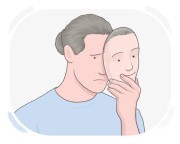
to pretend
to pretend
[глагол]

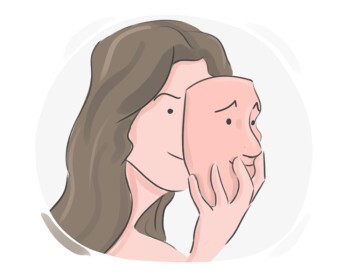
to act in a specific way in order to make others believe that something is the case when actually it is not so

притворяться

притворяться

Ex: The spy pretended to be a tourist while gathering information in a foreign country .

Шпион притворялся туристом, собирая информацию в чужой стране.

Закрыть
Войти
LanGeek
Скачать приложение LanGeek