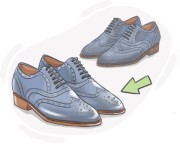
pattern

場面別のキーボキャブラリー - コンサートに行く

レビュー

フラッシュカード

語形

綴り

クイズ

学習を開始
Key Vocabulary for Occasions
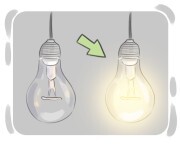
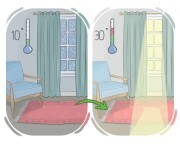
to shine
to shine
[動詞]

to emit or reflect light or brightness

輝く, 光る

輝く, 光る

Ex: His shoes were so well-polished that they seemed to shine. 

彼の靴はとてもよく磨かれていて、輝いて見えた。

to play
to play
[動詞]

(of a music player, DVD player, musical instrument, etc.) to generate or produce recorded images or sounds

演奏する, 再生する

演奏する, 再生する

Ex: In the distance, a piano was playing a soft melody 

遠くでピアノが優しいメロディーを奏でていた

to show
to show
[動詞]

to make something visible or noticeable

見せる, 展示する

見せる, 展示する

Ex: Did you show your new painting to your art teacher? 

あなたは新しい絵を美術の先生に見せましたか?

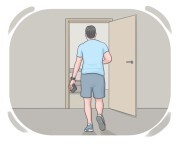
to go in
to go in
[動詞]

to enter a place, building, or location

入る, 中に入る

入る, 中に入る

Ex: The theater doors will open soon, so you can go in and find your seats. 

劇場のドアはまもなく開きますので、入って席を見つけてください。

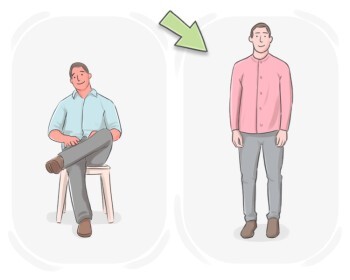
to stand
to stand
[動詞]

to be upright on one's feet

立つ, 直立する

立つ, 直立する

Ex: He likes to stand on the balcony to feel the breeze. 

彼はバルコニーに立って風を感じるのが好きです。

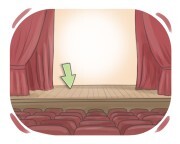
stage
stage
[名詞]

an elevated area, especially in theaters, on which artists perform for the audience

舞台, ステージ

舞台, ステージ

Ex: The actor stepped onto the stage to deliver his monologue. 

俳優は彼の独白を届けるために舞台に上がった。

bright
bright
[形容詞]

emitting or reflecting a significant amount of light

明るい, 輝く

明るい, 輝く

Ex: The bright sun shone down on the beach, warming the sand. 

明るい太陽がビーチに降り注ぎ、砂を温めました。

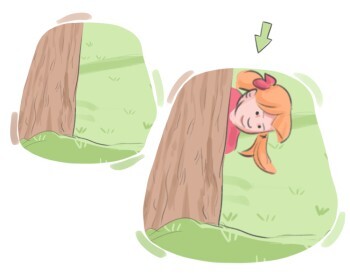
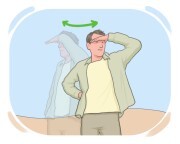
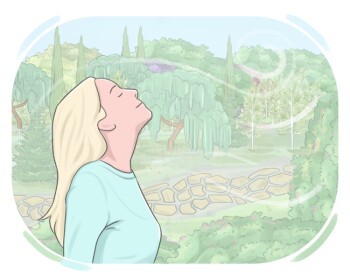
to look around

to turn your head to see the surroundings

見回す, 周りを見る

見回す, 周りを見る

Ex: I looked around the garden, admiring the beautiful flowers. 

私は庭で見回して、美しい花を賞賛しました。

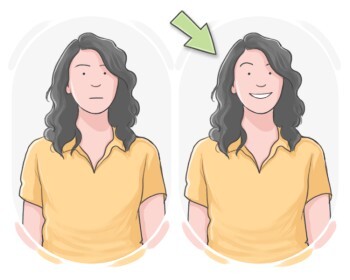
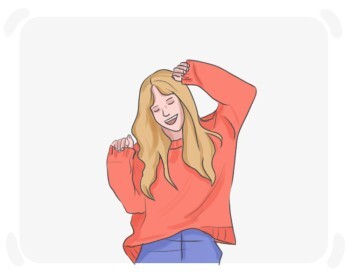
to smile
to smile
[動詞]

to make our mouth curve upwards, often in a way that our teeth can be seen, to show that we are happy or amused

微笑む

微笑む

Ex: She couldn't help but smile when she received a compliment. 

褒められた時、彼女は微笑むことを禁じ得なかった。

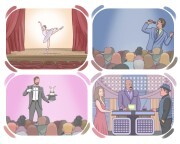
show
show
[名詞]

a public performance or entertainment event, often involving a variety of acts such as music, dance, drama, comedy, or magic

ショー

ショー

Ex: The circus show featured acrobats, clowns, and animal performances. 

サーカスのショーには、アクロバット、ピエロ、動物のパフォーマンスが含まれていました。
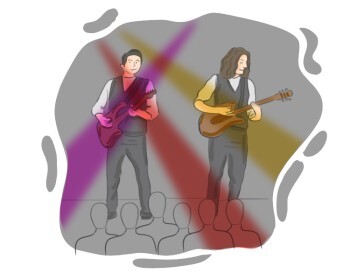
band
band
[名詞]

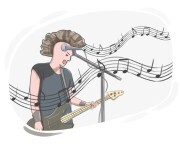
a group of musicians and singers playing popular music

バンド, グループ

バンド, グループ

Ex: The band released their debut album last year, which quickly gained popularity. 

バンドは昨年デビューアルバムをリリースし、すぐに人気を博しました。

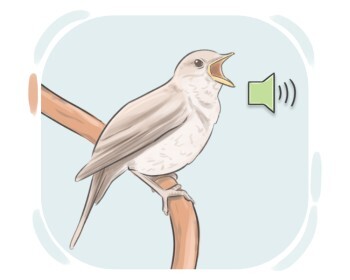
sound
sound
[名詞]

the audio that comes from a TV, movie, radio, etc.

音, サウンド

音, サウンド

Ex: The sound from the movie was so loud that it shook the room. 

映画のがとても大きくて部屋が揺れた。

loud
loud
[形容詞]

producing a sound or noise with high volume

うるさい, 大きい

うるさい, 大きい

Ex: The loud drumming during the dramatic finale heightened the intensity of the performance. 

劇的なフィナーレでの大きなドラムの音は、パフォーマンスの強度を高めました。

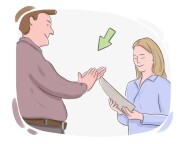
to clap
to clap
[動詞]

to strike the palms of one's hands together forcefully, usually to show appreciation or to attract attention

拍手する, 手を叩く

拍手する, 手を叩く

Ex: The audience clapped enthusiastically after the concert. 

観客はコンサートの後、熱狂的に拍手しました

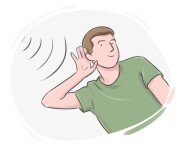
to listen
to listen
[動詞]

to give our attention to the sound a person or thing is making

聞く

聞く

Ex: I found him listening behind the closed bedroom door. 

私は閉め切られた寝室のドアの後ろで彼が聞いているのを見つけた。

beat
beat
[名詞]

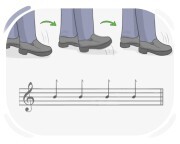
a piece of music's or a poem's main rhythm

ビート, リズム

ビート, リズム

Ex: The drummer sets the beat for the band, establishing the tempo and rhythm of the song. 

ドラマーはバンドのビートを設定し、曲のテンポとリズムを確立します。

to laugh
to laugh
[動詞]

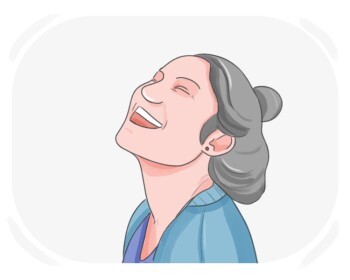
to make happy sounds and move our face like we are smiling because something is funny

笑う, 爆笑する

笑う, 爆笑する

Ex: Your reaction was so funny, I laughed for minutes. 

あなたの反応はとても面白くて、私は何分も笑いました

to enjoy
to enjoy
[動詞]

to take pleasure or find happiness in something or someone

楽しむ, 好む

楽しむ, 好む

Ex: She enjoys listening to classical music while working. 

彼女は仕事をしながらクラシック音楽を聴くことを楽しんでいます

song
song
[名詞]

a piece of music that has words

歌

Ex: Her lullaby is a sweet song that soothes her baby to sleep. 

彼女の子守唄は、赤ちゃんを眠りに誘う甘いです。

to change
to change
[動詞]

to not stay the same and as a result become different

変わる, 変化する

変わる, 変化する

Ex: Mary hasn't changed at all. She's just as kind-hearted as she was before. 

メアリーはまったく変わっていない。彼女は以前と同じように心優しい。

alive
alive
[形容詞]

filled with energy, excitement, and vitality

生き生きとした, 活気に満ちた

生き生きとした, 活気に満ちた

Ex: The room was alive with laughter and conversation during the party. 

パーティーの間、部屋は笑い声と会話で活気づいていた

during
during
[前置詞]

used to indicate a specific point within the course of a particular event or time

中に, の間に

中に, の間に

Ex: The fireworks display was spectacular during the New Year's celebration. 

新年のお祝いの間、花火のディスプレイは素晴らしかった。

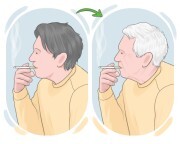
break
break
[名詞]

a rest from the work or activity we usually do

休憩,  休み

休憩, 休み

Ex: After three hours of driving, they took a break at a rest stop. 

3時間運転した後、彼らは休憩所で休憩を取った。

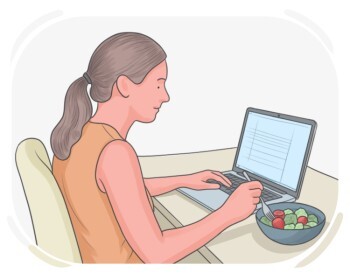
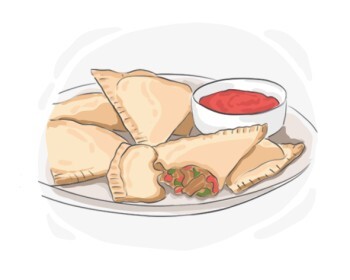
snack
snack
[名詞]

a small meal that is usually eaten between the main meals or when there is not much time for cooking

スナック, 軽食

スナック, 軽食

Ex: At the party, there were many snacks to choose from. 

パーティーでは、選べるスナックがたくさんありました。

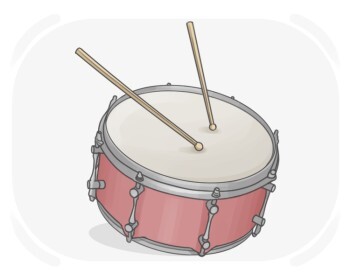
drum
drum
[名詞]

a musical instrument consisting of a hollow, round frame with plastic or skin stretched tightly across one or both ends, played by hitting it with sticks or hands

ドラム, 太鼓

ドラム, 太鼓

Ex: Drum lessons have helped him improve his sense of rhythm. 

ドラムのレッスンは、彼のリズム感を向上させるのに役立ちました。

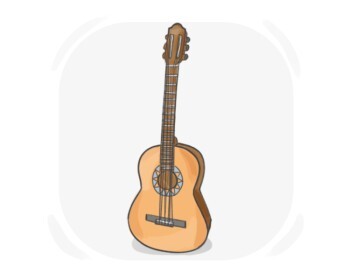
guitar
guitar
[名詞]

a musical instrument, usually with six strings, that we play by pulling the strings with our fingers or with a plectrum

ギター, エレキギター

ギター, エレキギター

Ex: He is practicing fingerpicking techniques on the guitar. 

彼はギターでフィンガーピッキングの技術を練習しています。

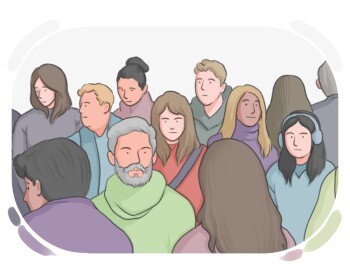
crowd
crowd
[名詞]

a large group of people gathered together in a particular place

群衆, 人混み

群衆, 人混み

Ex: The crowd erupted in cheers as the home team scored the first goal of the match. 

ホームチームが試合の最初のゴールを決めたとき、群衆は歓声に沸いた。

quiet
quiet
[形容詞]

with little or no noise

静かな, 穏やかな

静かな, 穏やかな

Ex: The library was quiet, with only the sound of pages turning. 

図書館は静かで、ページをめくる音だけが聞こえた。

star
star
[名詞]

(astronomy) a shining point found in large numbers in the night sky

星, 天体

星, 天体

Ex: I looked up at the night sky and saw a shooting star. 

夜空を見上げると流れ星が見えました。

still
still
[副詞]

up to now or the time stated

まだ, 今でも

まだ, 今でも

Ex: He still lives in the same house. 

彼はまだ同じ家に住んでいます。

to remember
to remember
[動詞]

to keep something in one's mind, particularly an important fact

覚える, 記憶する

覚える, 記憶する

Ex: Remember, we agreed to meet at 5 p.m. sharp. 

覚えておいてください、午後5時きっかりに会うことに同意しました。

to buy
to buy
[動詞]

to get something in exchange for paying money

買う

買う

Ex: I need to buy groceries for dinner tonight. 

今夜の夕食のために食料品を買う必要があります。

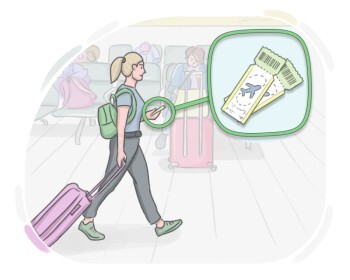
ticket
ticket
[名詞]

a piece of paper or card that shows you can do or get something, like ride on a bus or attend an event

チケット, 切符

チケット, 切符

Ex: He lost his ticket and had to get a new one at the ticket counter. 

彼はチケットを失くし、チケットカウンターで新しいものを手に入れなければならなかった。
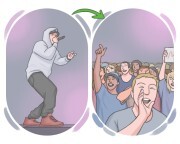
concert
concert
[名詞]

a public performance by musicians or singers

コンサート

コンサート

Ex: After the concert, the band met with fans for autographs. 

コンサートの後、バンドはファンと会ってサインをしました。

to feel
to feel
[動詞]

to experience a particular emotion

感じる, 経験する

感じる, 経験する

Ex: After watching the emotional movie, he felt sad for hours. 

感動的な映画を見た後、彼は何時間も悲しみを感じた

happy
happy
[形容詞]

emotionally feeling good or glad

幸せ,嬉しい, feeling good or glad

幸せ,嬉しい, feeling good or glad

Ex: He was happy when he got the job he had been hoping for. 

彼は望んでいた仕事を得た時、幸せでした。

to dress
to dress
[動詞]

to put clothes on oneself

服を着る, 着飾る

服を着る, 着飾る

Ex: He dressed quickly in a suit and tie for the formal event. 

彼はフォーマルなイベントのために素早くスーツとネクタイを着た

clean
clean
[形容詞]

not having any bacteria, marks, or dirt

清潔な, 無菌の

清潔な, 無菌の

Ex: He washed his hands to keep them clean. 

彼は手を洗って清潔に保った。

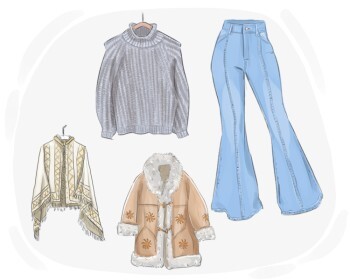
clothes
clothes
[名詞]

the things we wear to cover our body, such as pants, shirts, and jackets

服, 衣類

服, 衣類

Ex: He always wears comfortable clothes when he goes for a run. 

彼は走りに行くとき、いつも快適なを着ています。

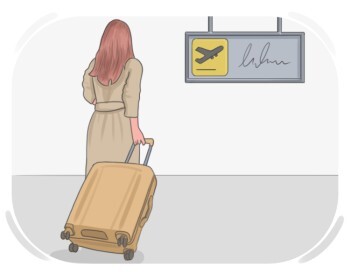
to leave
to leave
[動詞]

to go away from somewhere

去る, 離れる

去る, 離れる

Ex: She left her friends at the party without any goodbye. 

彼女は別れの言葉もなくパーティーで友達を去った

people
people
[名詞]

a group of humans

人々, 人々

人々, 人々

Ex: It is important to listen to the voices of the people and address their concerns. 

人々の声に耳を傾け、彼らの懸念に対処することが重要です。

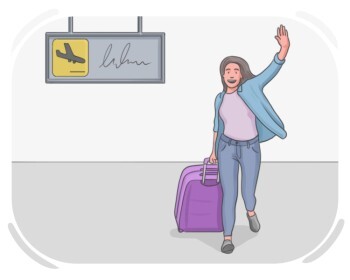
to arrive
to arrive
[動詞]

to reach a location, particularly as an end to a journey

到着する, 着く

到着する, 着く

Ex: After a long flight, we finally arrived in Paris. 

長いフライトの後、私たちはついにパリに到着しました

hall
hall
[名詞]

a large room for gatherings or entertainment

ホール, 大広間

ホール, 大広間

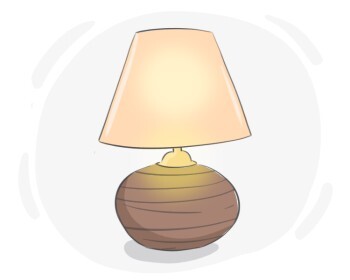
light
light
[名詞]

an object or device that produces brightness, often an electronic item like a lamp

光, ランプ

光, ランプ

Ex: Can you switch on the light? 

ライトをつけてもらえますか?

LanGeek
LanGeekアプリをダウンロード