pattern

A2レベルの単語リスト - コミュニケーション

話す、メッセージを送る、電話する、質問する、答えるなど、日常のコミュニケーションに役立つA2英単語を学びます。

レビュー

フラッシュカード

語形

綴り

クイズ

学習を開始
CEFR A2 Vocabulary
communication

the process or activity of exchanging information or expressing feelings, thoughts, or ideas by speaking, writing, etc.

コミュニケーション, 交流

コミュニケーション, 交流

Ex: The company believes in open and honest communication among its employees. 
conversation
conversation
[名詞]

a talk that is between two or more people and they tell each other about different things like feelings, ideas, and thoughts

会話,  対話

会話, 対話

Ex: The conversation drifted from politics to sports. 
opinion
opinion
[名詞]

your feelings or thoughts about a particular subject, rather than a fact

意見, 見解

意見, 見解

Ex: Our teacher always encourages us to express our opinions in class. 
talk
talk
[名詞]

a form of communication using spoken words

話

話

Ex: They stayed up late into the night, lost in their talk about old times. 
call
call
[名詞]

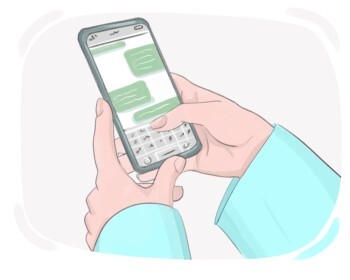
the act of talking to someone on the phone or an attempt to reach someone through a phone

電話, 会話
電話, 会話

Ex: Please hold the call, I will be back in a moment. 
cell phone
cell phone
[名詞]

a phone that we can carry with us and use anywhere because it has no wires

携帯電話, ケータイ

携帯電話, ケータイ

Ex: Can you please mute your cell phone during the movie? 

映画の間、携帯電話をマナーモードにしていただけますか?

argument
argument
[名詞]

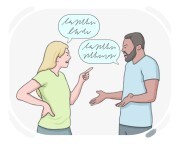
a discussion, typically a serious one, between two or more people with different views

議論, 討論

議論, 討論

Ex: Their constant arguments are causing problems in the relationship. 
discussion
discussion
[名詞]

an act or process of talking and sharing ideas in order to reach a decision or conclusion

議論

議論

Ex: The teacher encouraged a class discussion on the topic. 
fight
fight
[名詞]

an argument over something

喧嘩, 口論

喧嘩, 口論

Ex: Their constant fights about chores were driving their roommates crazy. 
letter
letter
[名詞]

a written or printed message that is sent to someone or an organization, company, etc.

手紙
手紙

Ex: I received a letter from my friend who lives abroad. 
mail
mail
[名詞]

the system used for sending and delivering letters, packages, etc.

郵便,  郵便サービス

郵便, 郵便サービス

Ex: The mail system in this country is very efficient. 
envelope
envelope
[名詞]

a flat paper container used for enclosing and sending a letter, card, or other thin item

a flat paper container used for enclosing and sending a letter, card, or other thin item
a flat paper container used for enclosing and sending a letter, card, or other thin item

Ex: Emma put the letter in an envelope and sealed it. 
to say
to say
[動詞]

to use words and our voice to show what we are thinking or feeling

言う, 話す

言う, 話す

Ex: She says she enjoys reading books in her free time. 
to tell
to tell
[動詞]

to use words and give someone information

言う, 話す

言う, 話す

Ex: Why wasn't I told about the change in schedule? 
to discuss
to discuss
[動詞]

to talk about something with someone, often in a formal manner

議論する, 話し合う

議論する, 話し合う

Ex: The manager discussed the sales targets with the staff. 
to visit
to visit
[動詞]

to go somewhere because we want to spend time with someone

訪れる, 訪問する
訪れる, 訪問する

Ex: They visit their cousins during the holidays. 
to reply
to reply
[動詞]

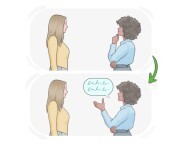
to answer someone by writing or saying something

返信する, 返答する

返信する, 返答する

Ex: He replied to the text message with a simple "Yes" to confirm the dinner reservation. 
to argue
to argue
[動詞]

to speak to someone often angrily because one disagrees with them

言い争う, 口論する

言い争う, 口論する

Ex: I hate to argue with my parents, but this time they were wrong. 
to mail
to mail
[動詞]

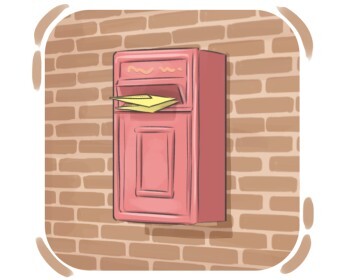
to send a letter or package by post

送る, 郵送する
送る, 郵送する

Ex: He mailed his application to the university yesterday. 
together
together
[副詞]

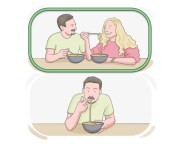
in the company of or in proximity to another person or people

一緒に, と

一緒に, と

Ex: We walked together through the quiet streets. 

私たちは静かな通りを一緒に歩いた。

calmly
calmly
[副詞]

without stress or strong emotion

落ち着いて, 静かに

落ち着いて, 静かに

Ex: She calmly explained her point despite the heated debate. 

彼女は激しい議論にもかかわらず、冷静に自分の意見を説明した。

alone
alone
[副詞]

without anyone else

一人で, 独りで

一人で, 独りで

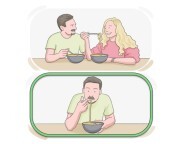
Ex: He likes to eat lunch alone and enjoy some quiet time. 

彼は一人で昼食を食べ、静かな時間を楽しむのが好きです。

social
social
[形容詞]

relating to activities in which people meet each other for pleasure

社会的、社交的

社会的、社交的

Ex: He's not very social and prefers to stay at home. 

彼はあまり社交的ではなく、家にいることを好む。

to send
to send
[動詞]

to have a person, letter, or package physically delivered from one location to another, specifically by mail

送る

送る

Ex: Please send the invoice to our accounting department for processing. 
to receive
to receive
[動詞]

to be given something or to accept something that is sent

受け取る, 受ける

受け取る, 受ける

Ex: Every morning, he receives a newspaper at his doorstep. 
to understand

to know something's meaning, particularly something that someone says

理解する, わかる

理解する, わかる

Ex: The poor audio quality made the speaker difficult to understand. 
to misunderstand

to fail to understand something or someone correctly

誤解する, 理解を誤る

誤解する, 理解を誤る

Ex: He misunderstood the meeting time and arrived an hour early. 

彼は会議の時間を誤解して、1時間早く到着しました。

to agree
to agree
[動詞]

to hold the same opinion as another person about something

同意する, 賛成する

同意する, 賛成する

Ex: She agreed with the teacher's comment about her essay. 
to disagree
to disagree
[動詞]

to have or express a different opinion from someone else

to have or express a different opinion from someone else

to have or express a different opinion from someone else

Ex: Emma disagrees with her brother about how to spend their savings. 
to accept
to accept
[動詞]

to say yes to what is asked of you or offered to you

受け入れる, 承諾する
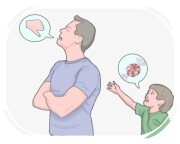
受け入れる, 承諾する

Ex: My sister finally accepted the challenge to run a marathon. 
to reject
to reject
[動詞]

to refuse to accept a proposal, idea, person, etc.

拒否する, 却下する

拒否する, 却下する

Ex: The strict teacher rejected the student's late assignment. 
all right
all right
[間投詞]

used to show our agreement or satisfaction with something

わかりました, 大丈夫

わかりました, 大丈夫

Ex: All right, I will help you with your homework. 

分かった、宿題を手伝うよ。

statement
statement
[名詞]

something that is expressed through things one says or writes

声明, 陳述

声明, 陳述

Ex: The company's mission statement emphasizes customer service. 
wow
wow
[間投詞]

used to express a strong feeling of surprise, wonder, admiration, or amazement

わあ, すごい

わあ, すごい

Ex: I can't believe you finished the race so quickly, wow! 

あなたがそんなに速くレースを終えたなんて信じられない、わお!

ah
ah
[間投詞]

used to show that we are angry, interested, etc.

ああ, おお

ああ, おお

Ex: Ah, there's nothing like a cup of hot chocolate on a cold day. 
oh
oh
[間投詞]

used to express surprise, realization, understanding

おお, ああ
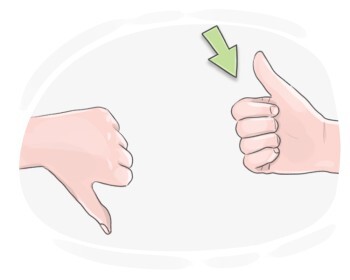
おお, ああ

Ex: Oh, I wasn't aware that the meeting was rescheduled. 
yeah
yeah
[間投詞]

used as another way of saying 'yes'

はい, うん

はい, うん

Ex: Yeah, I agree with you on that point. 

うん、その点については君に同意するよ。

hey
hey
[間投詞]

used as an informal greeting

やあ,  ねえ

やあ, ねえ

Ex: Hey, Emma!  How have you been? 
note
note
[名詞]

a brief informal written message

メモ, メッセージ

メモ, メッセージ

Ex: Sarah sent a sweet note to her friend to wish her good luck on the exam. 
invitation
invitation
[名詞]

a spoken or written request asking someone to attend an event, go somewhere, or take part in something
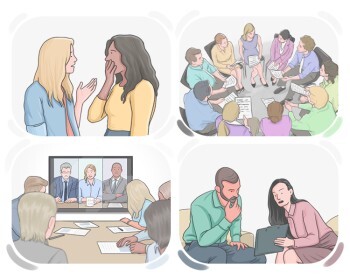
a spoken or written request asking someone to attend an event, go somewhere, or take part in something

a spoken or written request asking someone to attend an event, go somewhere, or take part in something

Ex: Emma received an invitation to her cousin's wedding. 
to communicate

to exchange information, ideas, or feelings with another person or group

コミュニケーションをとる,  連絡する

コミュニケーションをとる, 連絡する

Ex: Emma communicates with her parents by video call every weekend. 
to complain
to complain
[動詞]

to express your annoyance, unhappiness, or dissatisfaction about something

不平を言う, 文句を言う
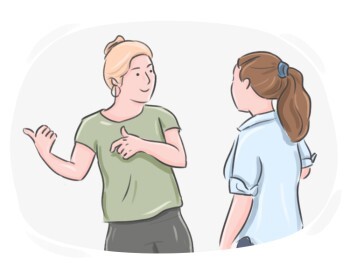
不平を言う, 文句を言う

Ex: Tom didn't hesitate to complain when his order at the restaurant arrived with the wrong items. 
to invite
to invite
[動詞]

to make a formal or friendly request to someone to come somewhere or join something

招待する, 招く
招待する, 招く

Ex: She invites friends over for dinner every Friday night. 
to pronounce
to pronounce
[動詞]

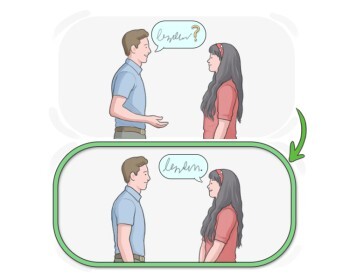
to say the sound of a letter or word correctly or in a specific way

発音する, 言う

発音する, 言う

Ex: She pronounces each word with clarity during the language class. 
LanGeek
LanGeekアプリをダウンロード