pattern

最も一般的な500の英語副詞 - トップ 76 - 100 副詞

ここでは、英語で最も一般的な副詞のリストのパート4("that"、"below"、"home"など)が提供されています。

レビュー

フラッシュカード

綴り

クイズ
学習を開始
Most Common Adverbs in English Vocabulary
simply
simply
[副詞]

used to show that something is the case and nothing more

単に, ただ

単に, ただ

Ex: The instructions are simply to follow the steps in order. 

指示は単に順番に手順に従うことです。

that
that
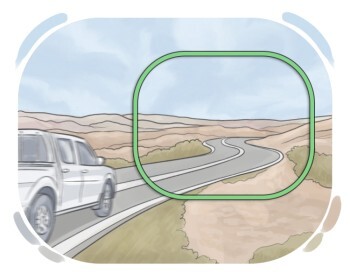
[副詞]

used to emphasize the extent or degree of something

そんなに, 非常に

そんなに, 非常に

Ex: He didn't seem that interested in the topic. 

彼はそのトピックにそれほど興味がないようだった。

absolutely
absolutely
[副詞]

in a total or complete way

絶対に, 完全に

絶対に, 完全に

Ex: I absolutely forgot about the meeting. 

私は会議のことを完全に忘れていました。

no
no
[副詞]

used to show that someone or something is equally not capable, likely, or involved

それ以上...ない

それ以上...ない

Ex: She is no more interested in politics than her cat. 

彼女は政治にそれほど興味がない、彼女の猫と同じように。

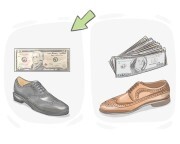
early
early
[副詞]

before the usual or scheduled time

早く, 予定より早く
早く, 予定より早く

Ex: The movie ended early, so we decided to go for a walk. 
less
less
[副詞]

to a smaller amount, extent, etc. in comparison to a previous state or another thing or person

より少なく, より明確でなく

より少なく, より明確でなく

Ex: He spoke less clearly after his surgery. 

手術後、彼はあまりはっきり話さなかった。

below
below
[副詞]

in a position or location situated beneath or lower than something else

下に, 下方に

下に, 下方に

Ex: The painting hung high, with the console table sitting quietly below. 

絵は高く掛けられ、コンソールテーブルが静かに下に置かれていた。

certainly
certainly
[副詞]

in an assured manner, leaving no room for doubt

確かに, 間違いなく

確かに, 間違いなく

Ex: Despite the challenges, she certainly made the most of her opportunities. 

課題にもかかわらず、彼女は確かに自分の機会を最大限に活用した。

perhaps
perhaps
[副詞]

used to express possibility or likelihood of something

おそらく, たぶん

おそらく, たぶん

Ex: He is late, perhaps he missed the bus. 

彼は遅れています、おそらくバスを逃したのでしょう。

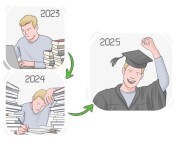
home
home
[副詞]

to, at, or toward the place where one lives

家に, 家に向かって
家に, 家に向かって

Ex: I decided to stay home and rest instead of going out. 
eventually
eventually
[副詞]

after or at the end of a series of events or an extended period

最終的に, 結局

最終的に, 結局

Ex: He eventually became the manager of the company. 

最終的に彼は会社のマネージャーになりました。

super
super
[副詞]

to a very high or extreme degree

超,  すごく

超, すごく

Ex: Emma was super excited about the trip. 
totally
totally
[副詞]

in a complete and absolute way

完全に, 絶対に

完全に, 絶対に

Ex: His explanation was totally convincing. 

彼の説明は完全に説得力があった。

hard
hard
[副詞]

with a lot of difficulty or effort

一生懸命に,  苦労して

一生懸命に, 苦労して

Ex: I tried hard to lift the heavy box. 
forward
forward
[副詞]

to or toward the front

前方へ

前方へ

Ex: He leaned forward to get a closer look at the intricate details. 
instead
instead
[副詞]

as a replacement or equal in value, amount, etc.

代わりに, そうではなく

代わりに, そうではなく

Ex: She decided to take the bus instead. 

彼女は代わりにバスに乗ることに決めた 代わりに.

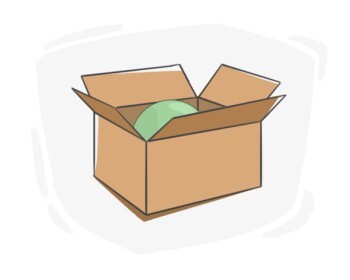
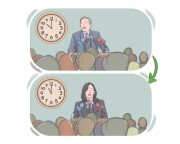
inside
inside
[副詞]

in or into a room, building, etc.

中に, 内部に
中に, 内部に

Ex: The children gathered inside the classroom for the lesson. 
next
next
[副詞]

at the time or point immediately following the present

次に, その後

次に, その後

Ex: She plans to visit the museum next. 

彼女は次に博物館を訪れる予定です。

all the time
all the time
[副詞]

continuously, persistently, or without pause

常に, 絶え間なく

常に, 絶え間なく

Ex: The air conditioner runs all the time, it never turns off. 

エアコンは常に作動していて、決して止まらない。

easily
easily
[副詞]

in a way that something is done without much trouble or exertion

簡単に, 苦労せずに

簡単に, 苦労せずに

Ex: She completed the marathon easily. 

彼女はマラソンを簡単に完走した。

immediately
immediately
[副詞]

in a way that is instant and involves no delay

すぐに, 即座に

すぐに, 即座に

Ex: After hearing the news, he immediately returned home. 

その知らせを聞いた後、彼はすぐに家に帰った。

particularly
particularly
[副詞]

in a manner that emphasizes a specific aspect or detail

特に, とりわけ

特に, とりわけ

Ex: She enjoyed all genres of music, but she was particularly fond of classical compositions. 

彼女はすべての音楽ジャンルを楽しんだが、特にクラシック作品が好きだった。

somewhere
somewhere
[副詞]

in, at, or to some unspecified place

どこかに, ある場所に

どこかに, ある場所に

Ex: I left the keys somewhere on the kitchen counter. 

キッチンカウンターのどこかに鍵を置き忘れました。

literally
literally
[副詞]

used for putting emphasis on something that seems surprising but is true

文字通り, 本当に

文字通り, 本当に

Ex: I was so tired, I could literally fall asleep standing up. 

私はとても疲れていたので、文字通り立ったまま眠ることができた。

greatly
greatly
[副詞]

to a great amount or degree

非常に, 大いに

非常に, 大いに

Ex: The improvements in technology have greatly enhanced communication. 

技術の進歩はコミュニケーションを大幅に向上させました。

LanGeek
LanGeekアプリをダウンロード