pattern

500 Most Common English Adverbs - Top 76 - 100 Adverbs

Here you are provided with the part 4 of the list of the most common adverbs in English such as "that", "below", and "home".

Review

Flashcards

Spelling

Quiz
Start learning
Most Common Adverbs in English Vocabulary
simply
simply
[Adverb]

used to show that something is the case and nothing more

Ex: The instructions are simply to follow the steps in order. 
Close
Sign in
that
that
[Adverb]

used to emphasize the extent or degree of something

Ex: He didn't seem that interested in the topic. 
Close
Sign in
absolutely
absolutely
[Adverb]

in a total or complete way

Ex: I absolutely forgot about the meeting. 
Close
Sign in
no
no
[Adverb]

used to show that someone or something is equally not capable, likely, or involved
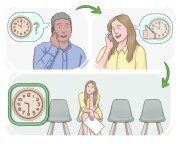
Ex: She is no more interested in politics than her cat. 
Close
Sign in
early
early
[Adverb]

before the usual or scheduled time

Ex: She always arrives early for appointments. 
Close
Sign in
less
less
[Adverb]

to a smaller amount, extent, etc. in comparison to a previous state or another thing or person
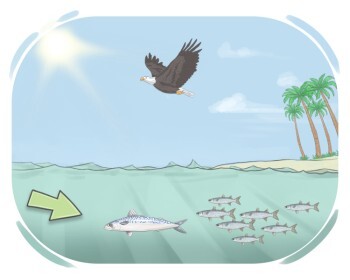
Ex: He spoke less clearly after his surgery. 
Close
Sign in
below
below
[Adverb]

in a position or location situated beneath or lower than something else
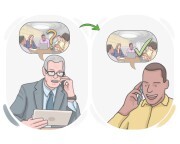
Ex: The painting hung high, with the console table sitting quietly below. 
Close
Sign in
certainly
certainly
[Adverb]

in an assured manner, leaving no room for doubt
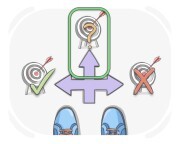
Ex: You can certainly count on my support. 
Close
Sign in
perhaps
perhaps
[Adverb]

used to express possibility or likelihood of something
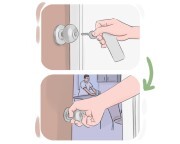
Ex: He is late, perhaps he missed the bus. 
Close
Sign in
home
home
[Adverb]

to, at, or toward the place where one lives
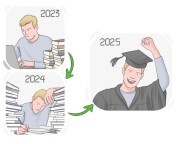
Ex: She walked home after a long day at work. 
Close
Sign in
eventually
eventually
[Adverb]

after or at the end of a series of events or an extended period
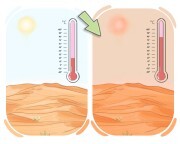
Ex: He eventually became the manager of the company. 
Close
Sign in
super
super
[Adverb]

to a high or exceptional degree

Ex: The food at that new restaurant is super delicious. 
Close
Sign in
totally
totally
[Adverb]

in a complete and absolute way

Ex: His explanation was totally convincing. 
Close
Sign in
hard
hard
[Adverb]

with a lot of difficulty or effort

Ex: He worked hard to achieve his goals. 
Close
Sign in
forward
forward
[Adverb]

to or toward the front

Ex: She stepped forward to address the audience. 
Close
Sign in
instead
instead
[Adverb]

as a replacement or equal in value, amount, etc.

Ex: I was going to go out for dinner, but I decided to cook at home instead. 
Close
Sign in
inside
inside
[Adverb]

in or into a room, building, etc.

Ex: The children gathered inside the classroom for the lesson. 
Close
Sign in
next
next
[Adverb]

at the time or point immediately following the present

Ex: She plans to visit the museum next. 
Close
Sign in
all the time
all the time
[Adverb]

continuously, persistently, or without pause
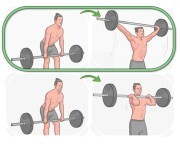
Ex: The air conditioner runs all the time, it never turns off. 
Close
Sign in
easily
easily
[Adverb]

in a way that something is done without much trouble or exertion
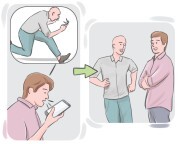
Ex: She completed the marathon easily. 
Close
Sign in
immediately
immediately
[Adverb]

in a way that is instant and involves no delay

Ex: After hearing the news, he immediately returned home. 
Close
Sign in
particularly
particularly
[Adverb]

in a manner that emphasizes a specific aspect or detail
Ex: She enjoyed all genres of music, but she was particularly fond of classical compositions. 
Close
Sign in
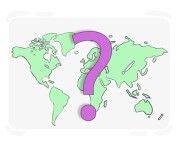
somewhere
somewhere
[Adverb]

in, at, or to some unspecified place

Ex: I left the keys somewhere on the kitchen counter. 
Close
Sign in
literally
literally
[Adverb]

used for putting emphasis on something that seems surprising but is true

Ex: He literally works around the clock, often staying at the office until midnight. 
Close
Sign in
greatly
greatly
[Adverb]

to a great amount or degree

Ex: The improvements in technology have greatly enhanced communication. 
Close
Sign in
LanGeek
Download LanGeek app