

pattern

B2レベルの単語リスト - 電子機器

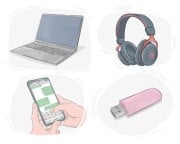
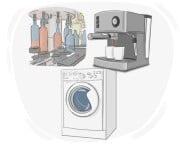
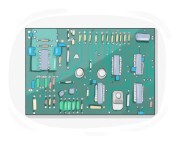
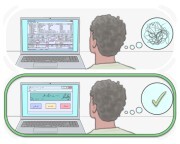
ここでは、B2レベルの学習者のために準備された「ガジェット」、「機械的」、「更新」など、電子機器に関するいくつかの英語の単語を学びます。

レビュー

フラッシュカード

語形

綴り

クイズ

学習を開始
CEFR B2 Vocabulary
gadget
gadget
[名詞]

a mechanical tool or an electronic device that is useful for doing something

ガジェット, 装置

ガジェット, 装置

Ex: John’s new kitchen gadget can chop vegetables in seconds, making meal prep much easier. 
device
device
[名詞]

a portable electronic gadet that can connect to the internet, such as a laptop, smartphone, etc.

デバイス, 機器

デバイス, 機器

Ex: She used her device to join the virtual meeting from a remote location. 
mechanical
mechanical
[形容詞]

(of an object) powered by machinery or an engine

機械の

機械の

Ex: The mechanical device automatically sorts items based on size and weight. 
electronic
electronic
[形容詞]

(of a device) having very small parts such as chips and obtaining power from electricity

電子の

電子の

Ex: She prefers reading e-books on her electronic tablet rather than carrying around physical books. 
ingenious
ingenious
[形容詞]

(of an idea, object, etc.) unique and working very well which has resulted from creativity and clever thinking

独創的な, 巧妙な

独創的な, 巧妙な

Ex: The engineer's ingenious design for the bridge combined both aesthetic beauty and structural integrity. 
intuitive
intuitive
[形容詞]

(of computer software) easily learned and understood, therefore making usage simpler

直感的な, 使いやすい

直感的な, 使いやすい

Ex: The new smartphone features an intuitive interface that makes it easy for users to navigate and find what they need. 
latest
latest
[形容詞]

occurred, created, or updated most recently in time

最新の, 最も最近の

最新の, 最も最近の

Ex: The company released its latest smartphone model with advanced features. 
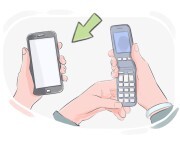
obsolete
obsolete
[形容詞]

outdated and gone out of style, often replaced by more current trends or advancements

時代遅れの, 廃れた

時代遅れの, 廃れた

Ex: The flip phone has become obsolete in an era dominated by smartphones. 
outdated
outdated
[形容詞]

no longer matching the current trends or standards because of being too old

時代遅れの, 古い

時代遅れの, 古い

Ex: His outdated smartphone, lacking modern features and capabilities, struggled to keep up with the latest apps and software updates. 
novel
novel
[形容詞]

new and unlike anything else

新しい, 独創的な

新しい, 独創的な

Ex: Her novel approach to problem-solving impressed the entire team with its creativity and effectiveness. 
to power
to power
[動詞]

to supply with the needed energy to make something work

動力を供給する,  エネルギーを供給する

動力を供給する, エネルギーを供給する

Ex: Solar panels are used to power many homes in the neighborhood, reducing reliance on fossil fuels. 
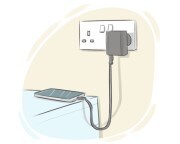
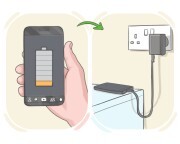
to charge
to charge
[動詞]

to fill an electronic device with energy

充電する, チャージする

充電する, チャージする

Ex: He forgot to charge his laptop overnight, so it ran out of battery during his presentation. 
to recharge
to recharge
[動詞]

to refill an electronic device with energy

充電する, リチャージする

充電する, リチャージする

Ex: She needs to recharge her phone before going out. 
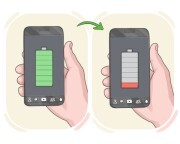
to drain
to drain
[動詞]

to gradually or completely use up the available resources

枯渇させる, 排水する

枯渇させる, 排水する

Ex: The extended drought drained the reservoirs of water. 
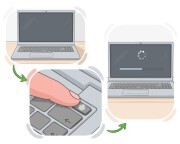
to boot
to boot
[動詞]

to start a computer, typically involves setting up hardware elements to prepare the computer for use

起動する, ブートする

起動する, ブートする

Ex: She booted her laptop, eager to dive into her latest writing project. 
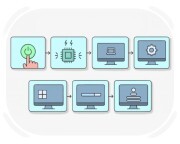
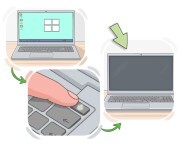
to start up
to start up
[動詞]

to start an electronic device or machine

起動する, 電源を入れる

起動する, 電源を入れる

Ex: She started up her laptop to check her emails. 
to shut down
to shut down
[動詞]

to make something stop working

シャットダウンする, 閉じる

シャットダウンする, 閉じる

Ex: He shut the computer down after finishing his work. 
to update
to update
[動詞]

to make something more useful or modern by adding the most recent information to it, improving its faults, or making new features available for it

更新する, 近代化する

更新する, 近代化する

Ex: She decided to update her resume with her most recent job experience. 
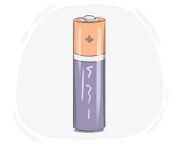
battery
battery
[名詞]

an object that turns chemical energy to electricity to give power to a device or machine

電池, バッテリー

電池, バッテリー

Ex: The flashlight wouldn't turn on because the battery was dead. 
capacity
capacity
[名詞]

the quantity that is possible by a machine, etc. to produce

容量, 生産能力

容量, 生産能力

Ex: The capacity of the factory increased with the installation of new machinery. 
signal
signal
[名詞]

a series of electrical or radio waves carrying data to a radio, television station, or mobile phone

信号, 信号

信号, 信号

Ex: The satellite transmits a signal to the television station, allowing live broadcasts to be aired. 
generation
generation
[名詞]

a class or step of technological development

世代, 進化

世代, 進化

Ex: The latest generation of smartphones features enhanced camera capabilities and longer battery life. 
process
process
[名詞]

the occurrence of a program that is being run by an operating system

プロセス, 処理

プロセス, 処理

Ex: The operating system efficiently manages multiple processes simultaneously, ensuring each one operates independently without interference. 
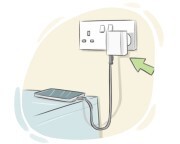
charger
charger
[名詞]

a device that can refill a battery with electrical energy

充電器, ポータブル充電器

充電器, ポータブル充電器

Ex: I always carry a portable charger to ensure my phone doesn’t run out of battery during long trips. 
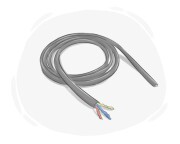
cable
cable
[名詞]

a group of wires bundled together for transmitting electricity that is protected within a rubber case

ケーブル, 電線

ケーブル, 電線

Ex: The electrician installed a new cable to ensure a stable power supply to the building. 
memory
memory
[名詞]

a piece of electronic object in a computer where data is stored

メモリ, RAM

メモリ, RAM

Ex: The computer's memory was upgraded to 16GB to improve its performance and speed. 
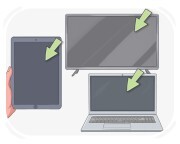
screen
screen
[名詞]

the visual data shown on a smartphone or computer monitor or display

画面, ディスプレイ

画面, ディスプレイ

Ex: Scrolling down the page reveals a lengthy screen of text. 
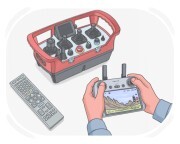
controller
controller
[名詞]

a piece of equipment by which a machine is operated

コントローラー, 制御装置

コントローラー, 制御装置

Ex: The drone's controller allows the pilot to navigate it smoothly through the air. 
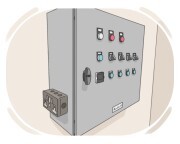
control panel

a flat screen with the controls of a machine or device on it

コントロールパネル, 操作盤

コントロールパネル, 操作盤

Ex: The control panel of the washing machine allows you to select different wash cycles and settings. 
microscope
microscope
[名詞]

an instrument that makes looking at tiny objects or organisms possible by enlarging them which is useful in scientific studies

顕微鏡, 双眼ルーペ

顕微鏡, 双眼ルーペ

Ex: The scientist used a microscope to examine the structure of the bacteria in the sample. 
magnifying glass

a glassy object that is capable of making small objects seem larger

拡大鏡, ルーペ

拡大鏡, ルーペ

Ex: The detective used a magnifying glass to examine the tiny clues left at the crime scene. 
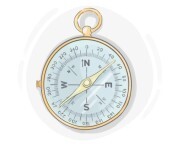
compass
compass
[名詞]

a device with a needle that always points to the north, used to find direction

コンパス, 方位磁石

コンパス, 方位磁石

Ex: The hiker used a compass to navigate through the dense forest and stay on the right path. 
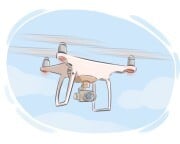
drone
drone
[名詞]

a flying vehicle such as an aircraft that is controlled from afar and has no pilot

ドローン, 無人航空機

ドローン, 無人航空機

Ex: The photographer used a drone to capture stunning aerial shots of the landscape. 
cutting-edge
cutting-edge
[形容詞]

having the latest and most advanced features or design

最先端の, 革新的な

最先端の, 革新的な

Ex: The cutting-edge medical device uses nanotechnology to deliver targeted treatments with unprecedented precision. 
off
off
[副詞]

in a state of not operating or no longer functioning, especially of electrical devices

オフ, 動作していない

オフ, 動作していない

Ex: The lights went off suddenly. 
touchscreen
touchscreen
[名詞]

a display by which the user can interact with a computer, smartphone, etc. by touching its surface

タッチスクリーン, タッチパネル

タッチスクリーン, タッチパネル

Ex: The phone has a responsive touchscreen for easy navigation. 
LanGeek
LanGeekアプリをダウンロード