本 English File - 中級 - レッスン 6B
ここでは、English File Intermediateコースブックのレッスン6Bからの語彙を見つけることができます。例えば「はげ」、「拍手」、「口笛」など。
レビュー
フラッシュカード
語形
綴り
クイズ
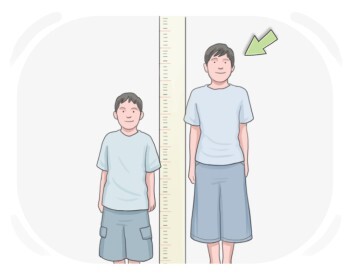
(of a person) having a height that is greater than what is thought to be the average height

背が高い,高い, having more height than others
彼は背の高いバスケットボール選手で、そのスポーツにぴったりです。
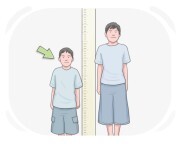
(of a person) having a height that is less than what is thought to be the average height
短い, 背が低い
背が低いにもかかわらず、彼は機敏さとスピードのおかげでバスケットボールで優れていました。
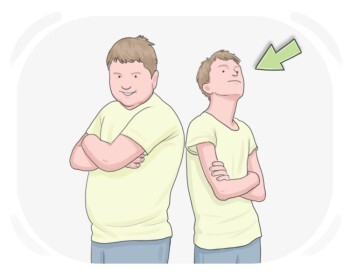
(of people or animals) weighing less than what is thought to be healthy for their body
細い,痩せた, having little body weight
彼は細いが強い、定期的な運動とバランスの取れた食事のおかげで。
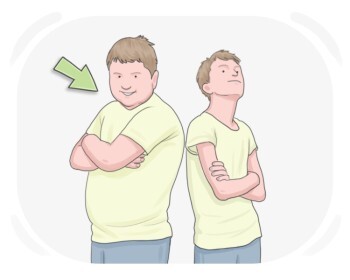
weighing more than what is considered healthy or desirable for one's body size and build
太りすぎ, 肥満
ジョンは大きな量を食べ、めったに運動しないので太りすぎです。
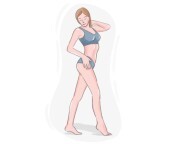
thin in an attractive way
スリム, 細身
彼はスリムで健康でいるために健康的な食事を続けた。
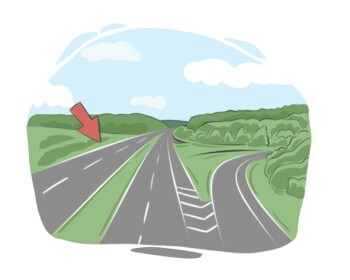
in or along a direct line, without bending or deviation
まっすぐに, 直接に
ボールは地面に触れることなくまっすぐゴールに飛び込んだ。
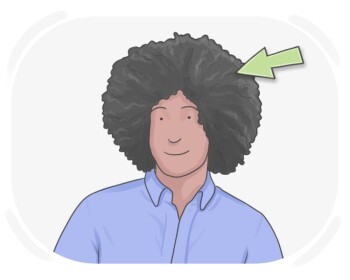
(of hair) having a spiral-like pattern
巻き毛の, カールした
適切な製品とケアで、カーリーヘアは簡単に管理できます。
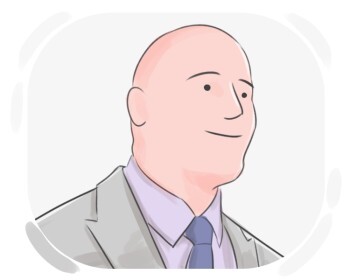
having little or no hair on the head
はげた, つるつるの
彼は完全にはげるのを防ごうと特別なシャンプーを使いました。
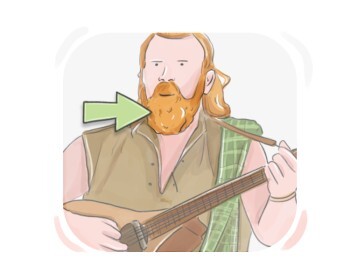
the hair that grow on the chin and sides of a man’s face
ひげ, 顔の毛
彼は初めてひげを生やすことに決めて、自分の外見を変えました。
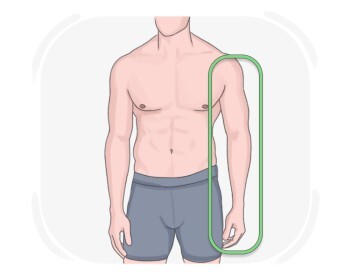
one of the two body parts that is connected to the shoulder and ends with fingers
腕
父親が彼女の周りに腕を置いたとき、彼女は保護されている感覚を感じた。
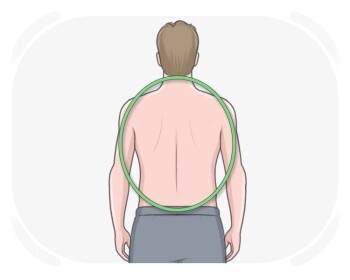
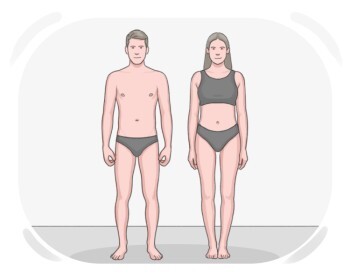
the part of our body between our neck and our legs that we cannot see
背中, 背骨
彼女は背中の筋肉を強化するために運動をしました。
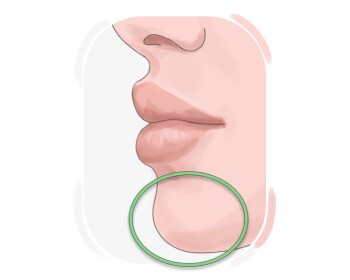
the lowest part of our face that is below our mouth
あご, 顔の下部
彼は優しく彼女の肩に顎を乗せた。
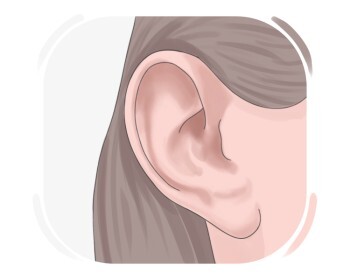
each of the two body parts that we use for hearing
耳
彼は手を耳の後ろに杯のようにして注意深く聞いた。
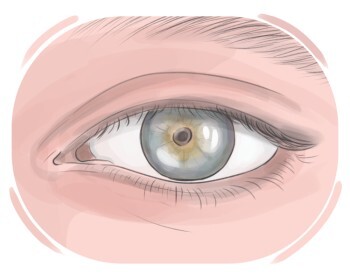
a body part on our face that we use for seeing
目, 目
彼女は彼に目をウィンクした、遊び心で片目を閉じて。
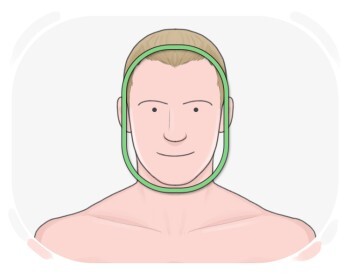
the front part of our head, where our eyes, lips, and nose are located
顔, 面
彼女は顔の汚れや油を取り除くために顔用洗顔料を使用しました。
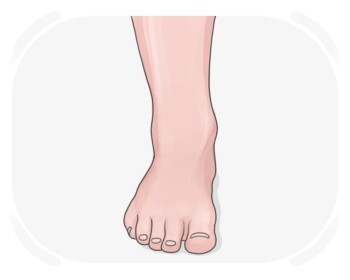
the body part that is at the end of our leg and we stand and walk on
足, 足の裏
彼はリラックスするためにオットマンに足を乗せた。
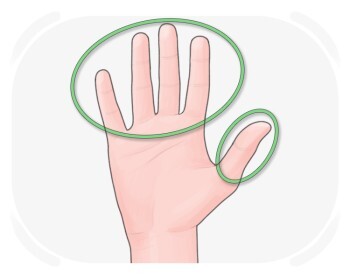
each of the long thin parts that are connected to our hands, sometimes the thumb is not included
指, 指
彼は数学の問題を解くために指で数えた。
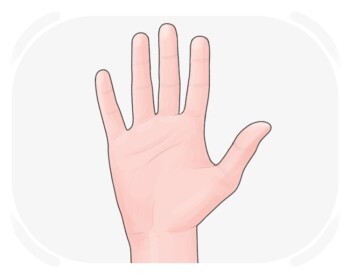
the part of our body that is at the end of our arm and we use to grab, move, or feel things
手, 掌
彼女は授業で質問をするために手を挙げた。
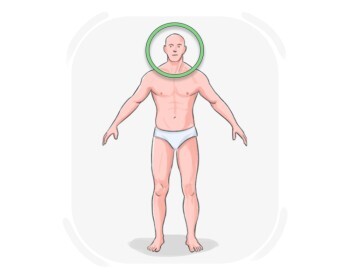
the top part of body, where brain and face are located
頭, 頭部
彼女は自信を持って部屋に入りながら、頭を高く掲げた。
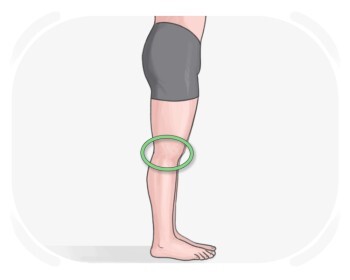
the body part that is in the middle of the leg and helps it bend
膝
スポーツ活動中にひねった後、彼は膝に鋭い痛みを感じた。
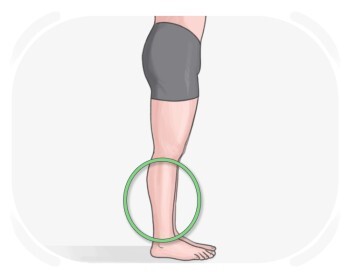
each of the two long body parts that we use when we walk
脚
彼は筋肉のけいれんを防ぐために、走る前に足を伸ばした。
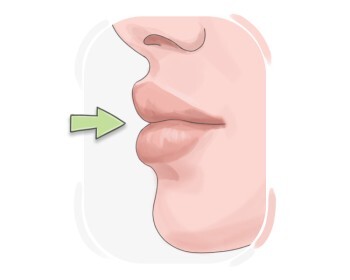
each of the two soft body parts that surround our mouth
唇
彼は彼女の唇に優しくキスをした。
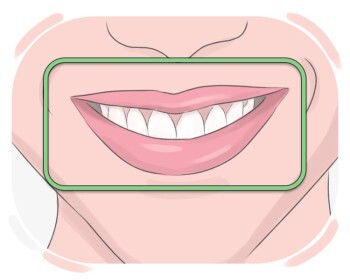
our body part that we use for eating, speaking, and breathing
口
彼は口を閉じて食べ物を噛み、良いマナーを示しました。
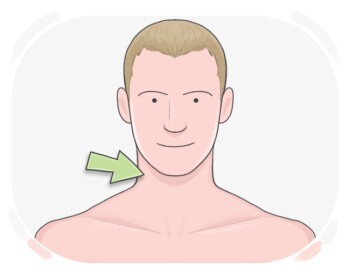
the body part that is connecting the head to the shoulders
首
彼は頭を左右に振り、首の柔軟性を試した。
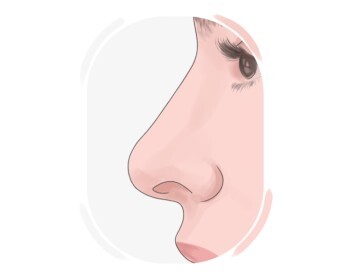
the body part that is in the middle of our face and we use to smell and breathe
鼻, 鼻孔
彼はゴミ箱の前を通り過ぎるときに鼻をつまんだ。
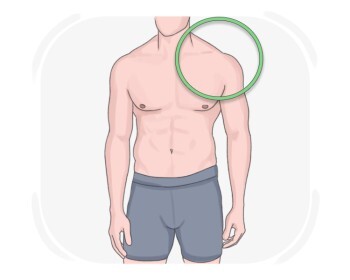
each of the two parts of the body between the top of the arms and the neck
肩
ジムでウェイトを持ち上げた後、彼は肩に鋭い痛みを感じた。
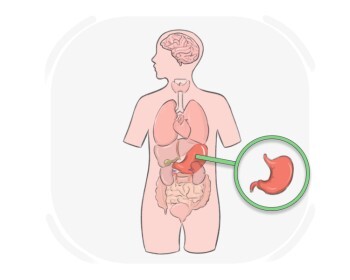
the body part inside our body where the food that we eat goes
胃, お腹
医者が彼の胃の問題は一時的なものだと保証したとき、彼は安堵感を覚えた。
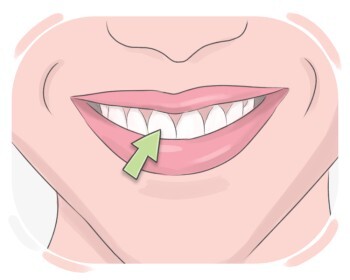
one of the things in our mouth that are hard and white and we use to chew and bite food with
歯
彼は歯に鋭い痛みを感じ、歯科の予約を入れた。
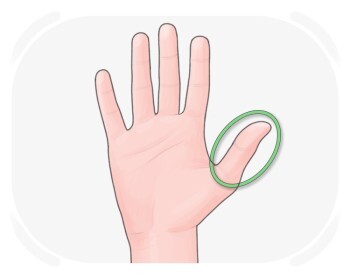
the thick finger that has a different position than the other four
親指, 他の4本の指とは異なる位置にある太い指
彼女は野菜を切っているときに誤って親指を切ってしまった。
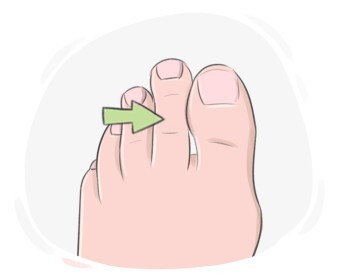
each of the five parts sticking out from the foot
足の指, 指
彼は誤って重い本を友達の足に落とし、かろうじてつま先を外した。
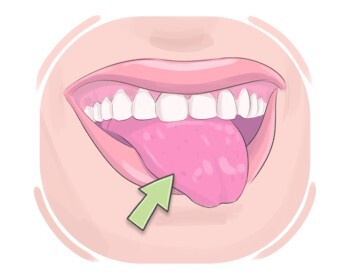
the soft movable part inside the mouth used for tasting something or speaking
舌, 味覚器官
あなたの舌は、甘いや酸っぱいなどのさまざまな味を味わうのに役立ちます。
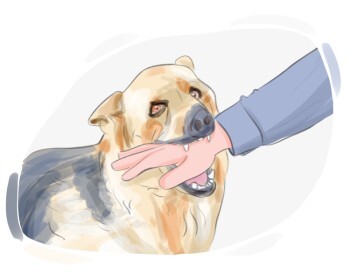
to cut into flesh, food, etc. using the teeth
噛む, 咀嚼する
犬は噛みつく前に唸って侵入者に警告しました。
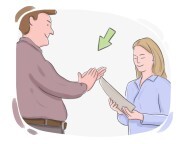
to strike the palms of one's hands together forcefully, usually to show appreciation or to attract attention
拍手する, 手を叩く
観客はコンサートの後、熱狂的に拍手しました。
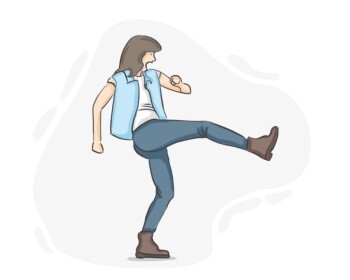
to hit a thing or person with the foot
蹴る, キックする
空手の達人はトレーニング中にパンチングバッグを蹴ります。
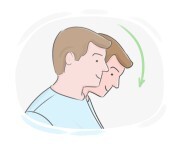
to move one's head up and down as a sign of agreement, understanding, or greeting
うなずく, 同意して頭を縦に振る
先生は生徒の答えに賛同してうなずいた。
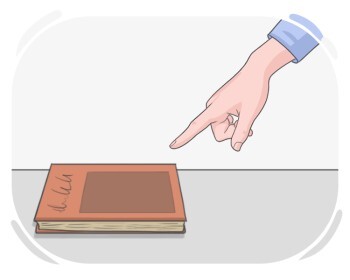
to show the place or direction of someone or something by holding out a finger or an object
指す, 示す
今、交通警官が積極的に迂回ルートを指しています。
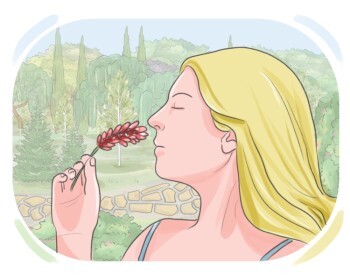
to recognize or become aware of a particular scent
嗅ぐ, 感じ取る
カフェに入ると、いつも新鮮なコーヒーの香りを嗅ぎます。
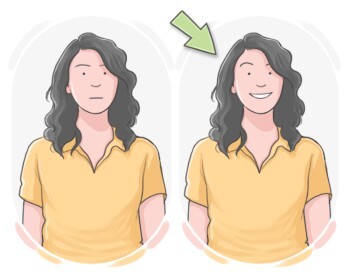
to make our mouth curve upwards, often in a way that our teeth can be seen, to show that we are happy or amused
微笑む
先生の励ましの言葉で、生徒は安堵の表情で微笑んだ。
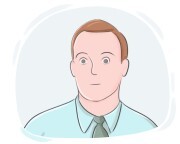
to look at someone or something without moving the eyes or blinking, usually for a while, and often without showing any expression
じっと見る, 凝視する
私はよく夜空を見つめ、星について考えます。
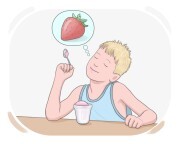
to have a specific flavor
味わう, 味がする
コーヒーは淹れたてのときにより良い味がします。
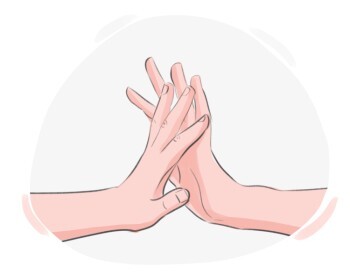
to put our hand or body part on a thing or person
触れる, 触る
壊れやすいガラスディスプレイに触れないでください。
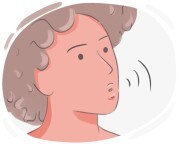
to make a high-pitched sound by forcing air out through one's partly closed lips
口笛を吹く
少年は祖父を見て口笛を吹く方法を学びました。