
Książka English File - Średnio zaawansowany - Lekcja 6B
Tutaj znajdziesz słownictwo z lekcji 6B w podręczniku English File Intermediate, takie jak "łysy", "klaskać", "gwizdać" itp.
Przegląd
Fiszki
formy
Pisownia
Test
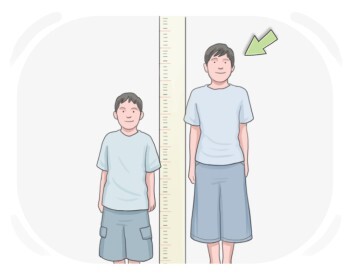
(of a person) having a height that is greater than what is thought to be the average height

wysoki,wysokiego wzrostu, having more height than others
Ludzie często chwalą go za bycie wysokim i szczupłym.
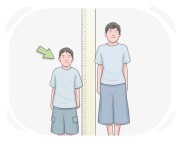
(of a person) having a height that is less than what is thought to be the average height
niski, niskiego wzrostu
Mając zaledwie pięć stóp wzrostu, była uważana za niską w porównaniu do swoich kolegów z klasy.
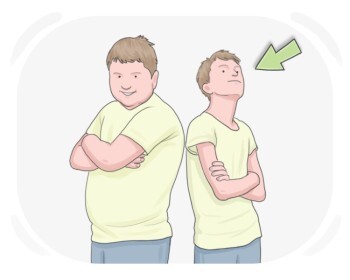
(of people or animals) weighing less than what is thought to be healthy for their body
chudy,szczupły, having little body weight
Ona jest naturalnie chuda i nie musi martwić się przybieraniem na wadze.
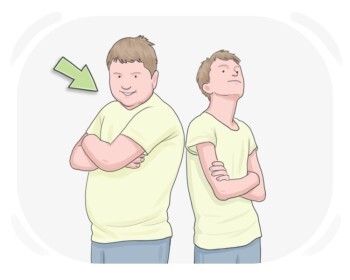
weighing more than what is considered healthy or desirable for one's body size and build
z nadwagą, zbyt gruby
Kot Sary ma nadwagę, ponieważ daje mu zbyt wiele smakołyków.
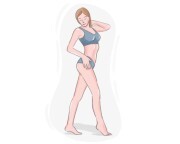
thin in an attractive way
szczupły, smukły
Smukła tancerka poruszała się z gracją i precyzją.
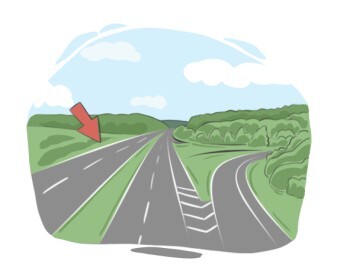
in or along a direct line, without bending or deviation
prosto, bezpośrednio
Strzała przebiła cel prosto.
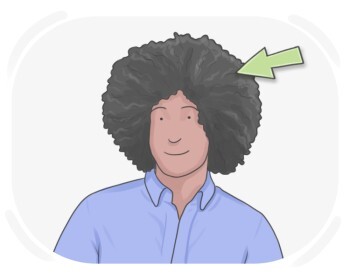
(of hair) having a spiral-like pattern
kręcony, kędzierzawy
Moja przyjaciółka ma piękne kręcone włosy, które podskakują, gdy idzie.
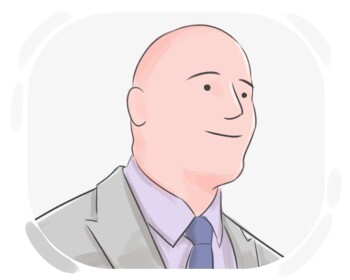
having little or no hair on the head
łysy, wyłysiały
Jego głowa stała się całkowicie łysa po latach golenia.
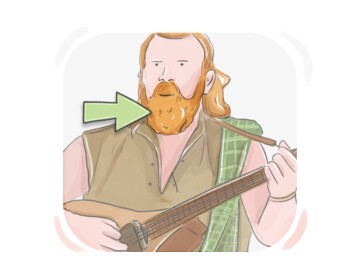
the hair that grow on the chin and sides of a man’s face
broda, zarost
Stylowy hipster miał idealnie zadbaną broda.
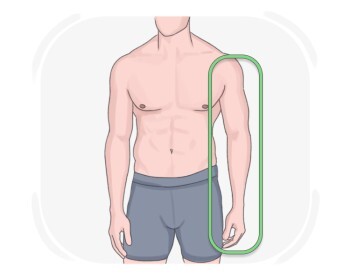
one of the two body parts that is connected to the shoulder and ends with fingers
ramię
Dostał poparzenia słonecznego na ramieniu po spędzeniu dnia na plaży.
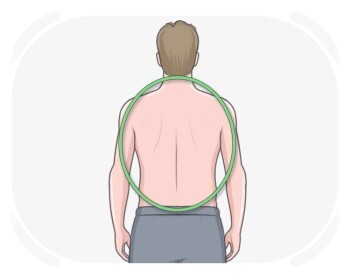
the part of our body between our neck and our legs that we cannot see
plecy, kręgosłup
Wygiął plecy, aby podnieść ciężkie pudełko.
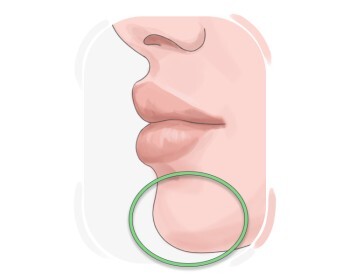
the lowest part of our face that is below our mouth
broda, dolna część twarzy
Oparła brodę na dłoni, uważnie słuchając rozmowy.
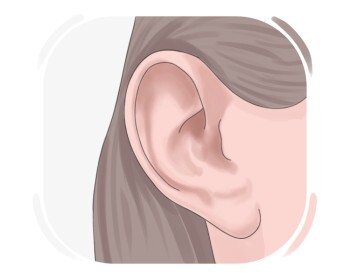
each of the two body parts that we use for hearing
ucho
Uspokajająca melodia grała cicho, tworząc przyjemne uczucie w jej uszach.
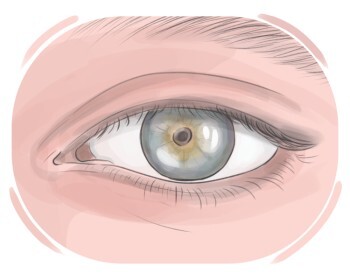
a body part on our face that we use for seeing
oko, oczy
Zamknął oczy i wziął głęboki oddech.
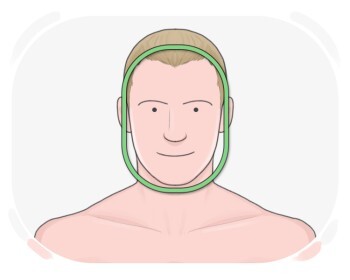
the front part of our head, where our eyes, lips, and nose are located
twarz, oblicze
Delikatnie umył swoją twarz ciepłą wodą i mydłem.
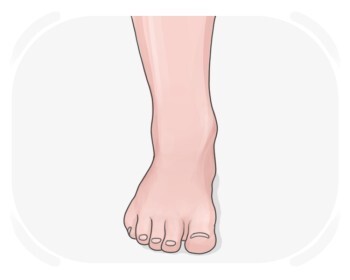
the body part that is at the end of our leg and we stand and walk on
stopa, noga
Rysował wzory na piasku swoją stopą, pozostawiając tymczasowe odciski.
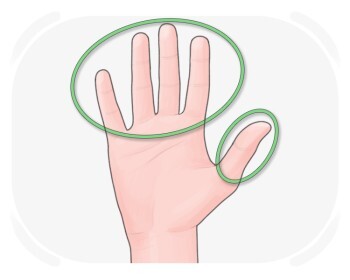
each of the long thin parts that are connected to our hands, sometimes the thumb is not included
palec, palce
Przypadkowo przecięła palec podczas przygotowywania obiadu.
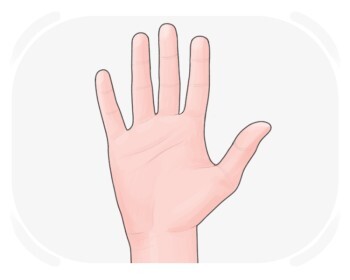
the part of our body that is at the end of our arm and we use to grab, move, or feel things
ręka, łapa
Dał mi piątkę, uderzając swoją dłonią w moją.
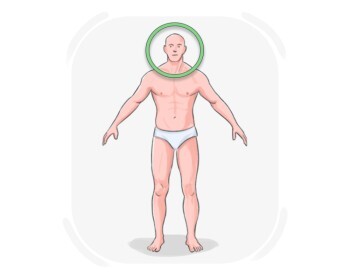
the top part of body, where brain and face are located
głowa, łeb
Kot delikatnie przycisnął swoją głowę do mojej dłoni, szukając uczucia.
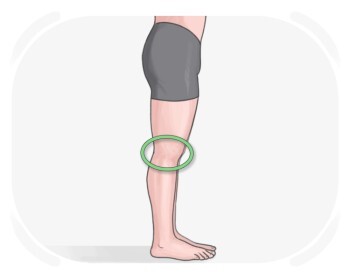
the body part that is in the middle of the leg and helps it bend
kolano
Wykonywał ćwiczenia na kolano, aby wzmocnić mięśnie wokół stawu.
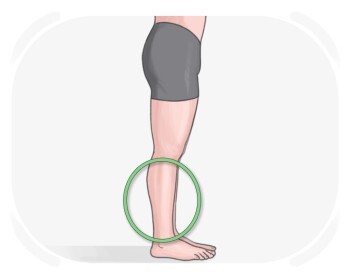
each of the two long body parts that we use when we walk
noga
Poczuła skurcz w nodze po długim bieganiu.
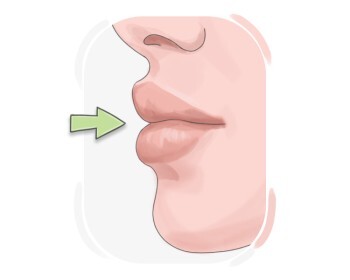
each of the two soft body parts that surround our mouth
warga
Zaciągnęła usta, okazując dezaprobatę.
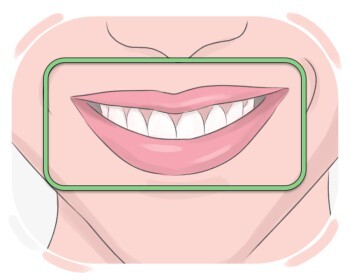
our body part that we use for eating, speaking, and breathing
usta
Umyła zęby, aby utrzymać usta świeże i czyste.
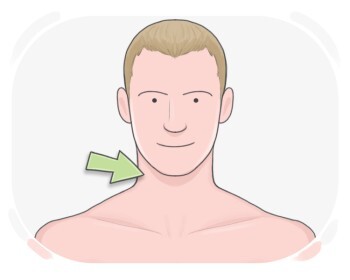
the body part that is connecting the head to the shoulders
szyja
Nosiła naszyjnik na szyi.
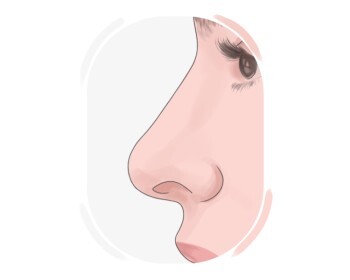
the body part that is in the middle of our face and we use to smell and breathe
nos, nozdrze
Skrzywiła nos na silny zapach.
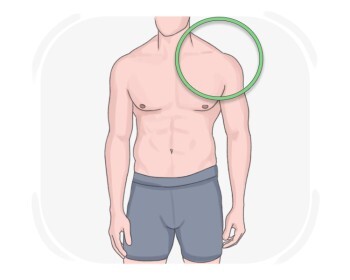
each of the two parts of the body between the top of the arms and the neck
ramię
Masażysta ugniatał napięte mięśnie w jej ramionach, zapewniając ulgę od stresu i napięcia.
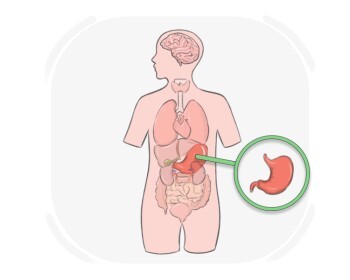
the body part inside our body where the food that we eat goes
żołądek, brzuch
Poczuła burczenie w brzuchu, co wskazywało, że jest głodna.
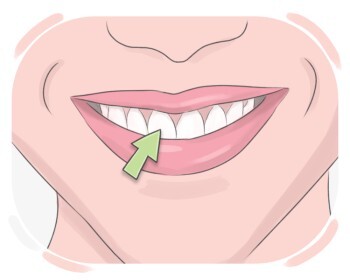
one of the things in our mouth that are hard and white and we use to chew and bite food with
ząb
Skrzywił się, gdy dentysta usunął zepsuty ząb, przynosząc ulgę w uporczywym bólu.
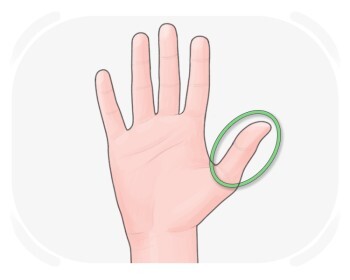
the thick finger that has a different position than the other four
kciuk, najgrubszy palec ręki
Ona nieświadomie kręciła długopisem wokół kciuka.
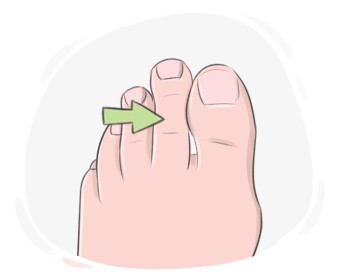
each of the five parts sticking out from the foot
palec u nogi, palec
Sportowiec zranił się w palec u nogi podczas meczu piłki nożnej i musiał opuścić resztę meczu.
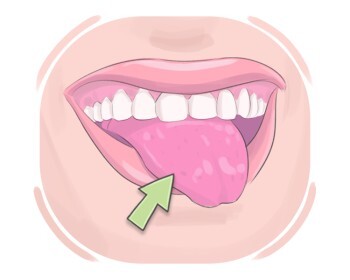
the soft movable part inside the mouth used for tasting something or speaking
język, narząd smaku
Piosenkarka wystawiła język w zabawowy sposób podczas koncertu.
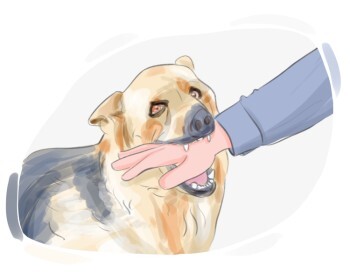
to cut into flesh, food, etc. using the teeth
gryźć, żuć
Maluch próbował ugryźć soczyste jabłko, ale struggled ze swoimi małymi zębami.
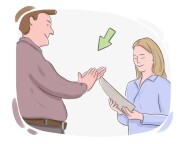
to strike the palms of one's hands together forcefully, usually to show appreciation or to attract attention
klaskać, uderzać dłońmi
Widzowie klaskali i dopingowali, gdy maratończycy przekraczali linię mety.
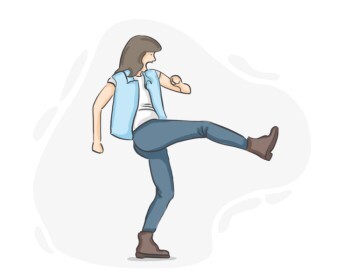
to hit a thing or person with the foot
kopać, uderzyć nogą
Ona kopnęła automat, mając nadzieję, że spadnie przekąska.
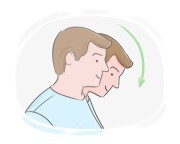
to move one's head up and down as a sign of agreement, understanding, or greeting
kiwać głową, przytakiwać
Publiczność pokiwała głowami w geście zrozumienia, gdy prelegent wyjaśniał koncepcję.
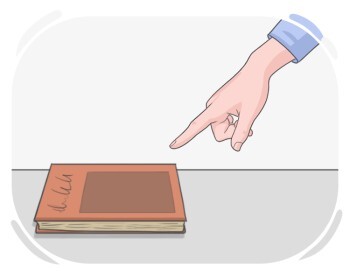
to show the place or direction of someone or something by holding out a finger or an object
wskazywać, pokazywać
W zeszłym tygodniu ratownik wskazał najbezpieczniejsze miejsce do pływania.
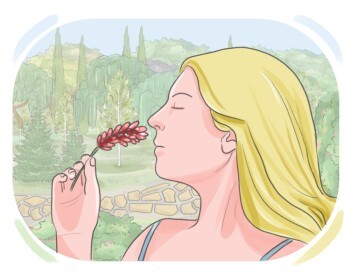
to recognize or become aware of a particular scent
wąchać, wyczuć
Dlaczego zawsze wąchasz powietrze po deszczu?
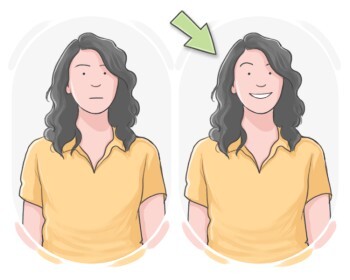
to make our mouth curve upwards, often in a way that our teeth can be seen, to show that we are happy or amused
uśmiechać się
Nie mogła powstrzymać uśmiechu, gdy otrzymała komplement.
to look at someone or something without moving the eyes or blinking, usually for a while, and often without showing any expression
wpatrywać się, gapić się
Kiedy byłem w poczekalni, wpatrywałem się w zegar.
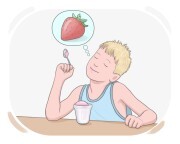
to have a specific flavor
smakować, mieć smak
Sos smakował jak ostre pomidory i czosnek, idealny do makaronu.
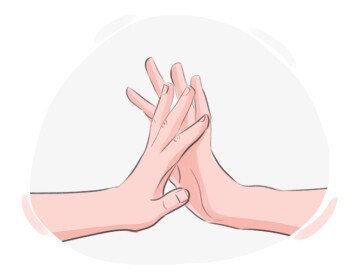
to put our hand or body part on a thing or person
dotykać, dotknąć
Wahała się, by dotknąć gorącej patelni gołymi rękami.
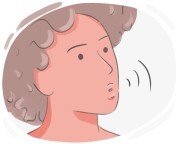
to make a high-pitched sound by forcing air out through one's partly closed lips
gwizdać
Trener głośno zagwizdał, aby zasygnalizować koniec treningu.
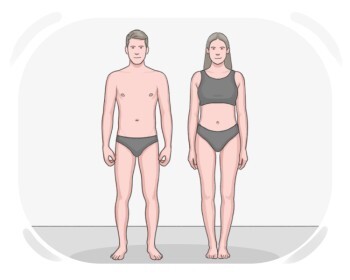
our or an animal's hands, legs, head, and every other part together
ciało, organizm
Ona lubi jogę, ponieważ pomaga jej połączyć się ze swoim ciałem i znaleźć wewnętrzną równowagę.
