pattern

SAT 語彙スキル 1 - レッスン 35

レビュー

フラッシュカード

綴り

クイズ

学習を開始
SAT Word Skills 1
tangent
tangent
[名詞]

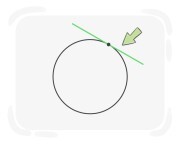
a straight line that touches a curve or surface at exactly one point, known as the point of tangency

接線, タンジェント線

接線, タンジェント線

Ex: The artist's sketch showed a spiral with multiple tangent lines, illustrating the various points of contact. 

アーティストのスケッチは、複数の接線を持つ螺旋を示し、さまざまな接触点を説明していました。

tangential
tangential
[形容詞]

not or barely relevant to something

接線の, 無関係な

接線の, 無関係な

Ex: His comments about vacation plans were tangential to the discussion on budget cuts. 

彼の休暇計画についてのコメントは、予算削減に関する議論とはほとんど関係がありませんでした。
tangible
tangible
[形容詞]

capable of being felt or touched

触知可能な, 実体のある

触知可能な, 実体のある

Ex: The soft texture of the fabric was immediately tangible as she ran her fingers over it. 

彼女が指を走らせたとき、布の柔らかい質感はすぐに触知可能でした。

breach
breach
[名詞]

an act that violates an agreement, law, etc.

違反, 侵害

違反, 侵害

Ex: The company faced legal consequences for the breach of contract. 
breech
breech
[名詞]

the back part of a gun's barrel where bullets are loaded

ブリーチ, 薬室

ブリーチ, 薬室

Ex: The malfunction seemed to originate from the breech, so he took the gun to a professional for repair. 

故障はブリーチから発生しているようだったので、彼は銃を修理のためにプロフェッショナルのところへ持って行った。

unaccountable
unaccountable
[形容詞]

impossible to explain or justify

説明できない, 正当化できない

説明できない, 正当化できない

Ex: The sudden change in his behavior was unaccountable to all who knew him. 

彼の行動の突然の変化は、彼を知るすべての人にとって説明不可能だった。

unaffected
unaffected
[形容詞]

remaining unchanged despite external influences

影響を受けない, 変わらない

影響を受けない, 変わらない

Ex: The painting's colors were surprisingly unaffected by the passage of time. 

その絵の色は、驚くほど時間の経過に影響されていませんでした。

unalloyed
unalloyed
[形容詞]

pure and free from any other elements or substances

純粋な, 混ざりけのない

純粋な, 混ざりけのない

Ex: Her happiness was unalloyed, free from any tinge of doubt or sadness. 

彼女の幸福は純粋で、疑いや悲しみの影さえもなかった。

hibernal
hibernal
[形容詞]

relating to or typical of winter

冬の, 冬季の

冬の, 冬季の

Ex: The hibernal landscape was blanketed in snow and ice. 

冬の風景は雪と氷に覆われていた。

to defame
to defame
[動詞]

to wrongly or intentionally damage someone's reputation

中傷する, 誹謗する

中傷する, 誹謗する

Ex: She threatened to sue the magazine for trying to defame her character. 

彼女は自分の人格を中傷しようとしたとして雑誌を訴えると脅した。

defamatory
defamatory
[形容詞]

(of statements) intending to ruin someone's reputation with the use of unpleasant or false information

中傷的な

中傷的な

Ex: Social media platforms have policies in place to remove defamatory content that users might post. 

ソーシャルメディアプラットフォームには、ユーザーが投稿する可能性のある中傷的なコンテンツを削除するためのポリシーがあります。

defamation
defamation
[名詞]

a false statement damaging a person's reputation

名誉毀損, 中傷

名誉毀損, 中傷

Ex: She filed a lawsuit for defamation after the false accusations were published. 

虚偽の告発が公表された後、彼女は名誉毀損で訴訟を起こしました。

to irk
to irk
[動詞]

to annoy someone, often due to repeated actions or persistent issues

いらだたせる, うんざりさせる

いらだたせる, うんざりさせる

Ex: It irks him when someone leaves the door open and lets the cold air in. 

誰かがドアを開けっ放しにして冷たい空気を入れると、彼はいらだつ。

irksome
irksome
[形容詞]

causing annoyance or weariness due to its dull or repetitive nature

うるさい, 退屈な

うるさい, 退屈な

Ex: The children's constant bickering on the long car ride was especially irksome for the parents. 

長い車の旅で子供たちが絶えず言い争うのは、親にとって特にうんざりすることだった。

to analyze
to analyze
[動詞]

to examine or study something in detail in order to explain or understand it

分析する, 検討する

分析する, 検討する

Ex: The detective spent hours analyzing the evidence to solve the complex case. 
analyst
analyst
[名詞]

a person whose job is to examine information or a particular subject in detail and interpret or evaluate it

Ex: Financial analysts expect the company to report higher profits this year. 
to neuter
to neuter
[動詞]

to remove the sex organs of a domestic animal in order to keep it from reproduction

去勢する, 不妊手術をする

去勢する, 不妊手術をする

Ex: It's a common practice to neuter farm animals to manage their populations. 

農場の動物の個体数を管理するために去勢することは一般的な慣行です。

neutral
neutral
[形容詞]

not supporting or favoring either side in a conflict, dispute, competition, or disagreement

中立の,  中立な

中立の, 中立な

Ex: The country remained neutral during the conflict. 
neutralisation

the process of counteracting or eliminating the impact of a previous action

中和, 対抗措置

中和, 対抗措置

Ex: The company's apology was a neutralisation aimed at mending its damaged public image. 

会社の謝罪は、損なわれた公共イメージを修復することを目的とした中和でした。

LanGeek
LanGeekアプリをダウンロード