本 Interchange - 中級 - ユニット9 - パート1
ここでは、Interchange Intermediateコースブックのユニット9 - パート1からの語彙を見つけることができます。例えば「仮想」、「組立ライン」、「テレポーテーション」などです。
復習
フラッシュカード
綴り
クイズ
with anyone or anything else excluded

だけ,のみ
私たちは週末だけ公園に行きます。
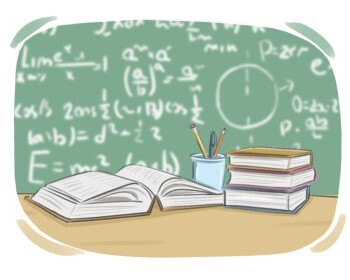
the process of teaching and learning, especially in schools, colleges, or universities
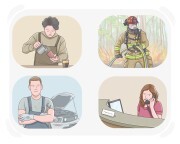
something that we do regularly to earn money
仕事,職業
彼女は教師としての仕事を誇りに思っており、毎日若い心を形作っています。
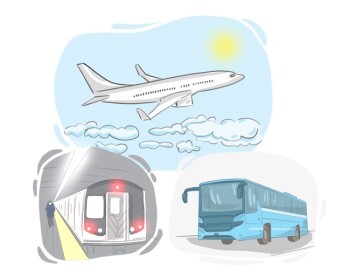
a system or means of moving people or goods from one place to another
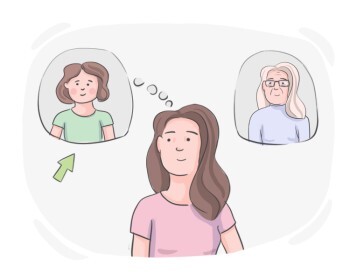
the period of time before the present

the period of time happening now, not before or after
現在,現在の瞬間
この本は、過去の経験と現在の要求のバランスをとる難しさを探求しています。
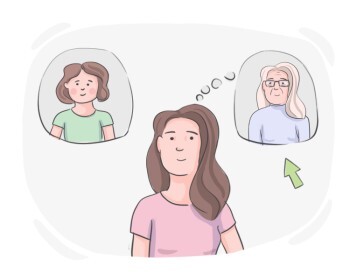
the time that will come after the present or the events that will happen then
未来,将来
私たちは未来が私たちのために何を用意しているのか分かりません。
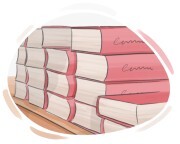
to create a number of copies of a newspaper, magazine, book, etc.
印刷する
政府機関は、公衆衛生イニシアチブに関する情報を配布するためにパンフレットを印刷しました。
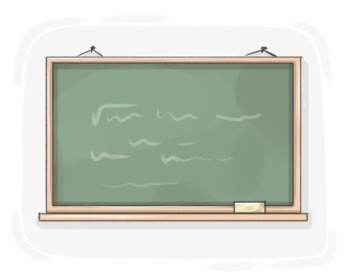
a large board with a smooth dark surface that is written on with chalk in schools
黒板,ブラックボード
先生は黒板に授業を書きました。
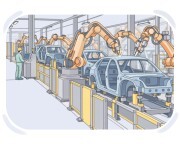
a production process where a product is put together in a step-by-step manner by different people or machines, each responsible for a specific task
組立ライン,生産ライン
車は効率を向上させるために組立ラインで作られます。
a type of train powered by steam engine that uses steam pressure to move
蒸気機関車,蒸気列車
古い蒸気機関車が駅を出るときに汽笛を鳴らした。
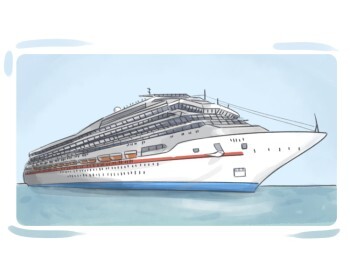
a large ship designed to carry passengers across the ocean, and it often has areas for people to have fun and relax
遠洋定期船,客船
古い蒸気機関車が駅を出るときに汽笛を鳴らした。
a book that is published or converted to a digital format
電子書籍,イーブック
彼女は持ち運びが簡単なので電子書籍を読むのを好みます。
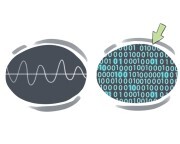
using or representing information as a series of the numbers 0 and 1, especially in electronic systems
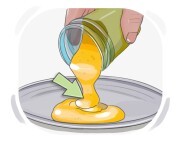
(usually plural) the things that are held, included, or contained within something
内容,内容物
注意深く、彼女は引き出しの内容物を別の容器に入れた。
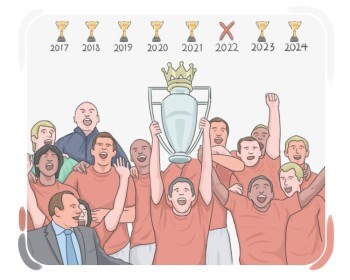
happening or being done often or at short intervals
頻繁な, たびたびの
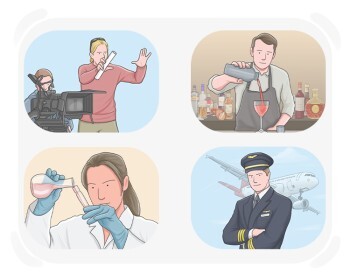
a profession or a series of professions that one can do for a long period of one's life
キャリア,職業
看護は、困っている人々を助けることで、やりがいのあるキャリアを提供します。
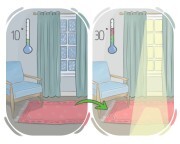
the process or occurrence of becoming different in nature, appearance, condition, or behavior
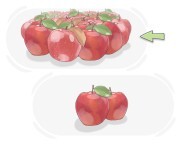
consisting of, involving, or occurring as several or many people, things, or parts
複数の,多重的な

a physical location, such as an office, factory, or store, where people go to work and perform their job duties
職場,仕事場
従業員は常に職場で安全ガイドラインに従う必要があります。
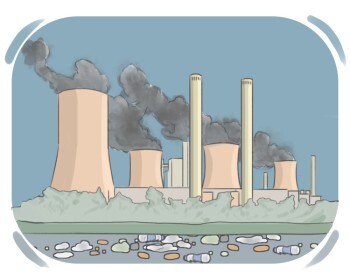
to damage the environment by releasing harmful chemicals or substances to the air, water, or land
汚染する,汚す
車は排気ガスを排出し、温室効果ガスで大気を汚染します。
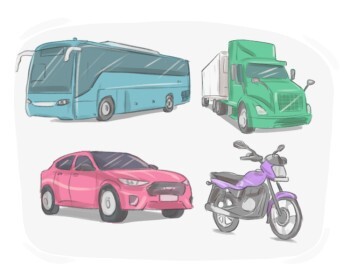
a means of transportation used to carry people or goods from one place to another, typically on roads or tracks
車両,自動車
電気自動車はますます人気が高まっています。
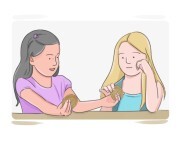
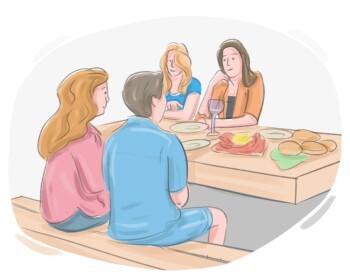
to have, use, or experience something together with another person or group

(of a place, object, etc.) generated through the use of software
仮想
バーチャルリアリティ技術により、ユーザーはシミュレートされた環境に没入できます。
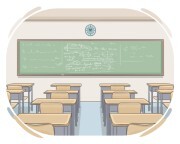
a room in a school, college, or other educational setting where students are taught
教室, クラスルーム
the process or act of gaining knowledge or a new skill by studying, experimenting, or practicing
学習, 勉強
オンラインコースは学習をよりアクセスしやすくします。
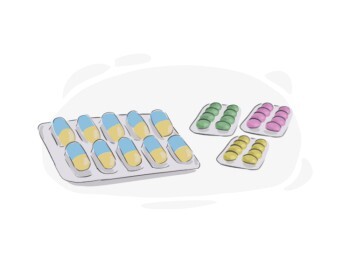
a small round medication we take whole when we are sick
錠剤,丸薬
彼女は今日、血圧の薬を飲むのを忘れました。
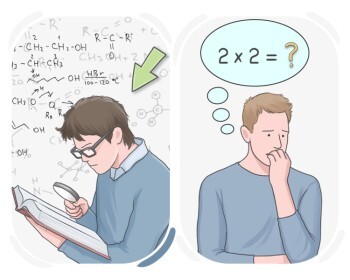
good at learning things, understanding ideas, and thinking clearly
賢い,聡明な
彼は常に洞察に富んだフィードバックを提供する賢い批評家です。
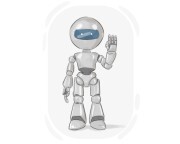
a machine that can perform tasks automatically
ロボット,自動人形
新しいロボットは複雑な環境をナビゲートし、独立してタスクを完了することができます。
a vehicle that can operate without a human driver
無人運転車,自律走行車
同社はいくつかの都市で新しい無人運転車のモデルをテストしています。
the hypothetical ability to instantly transport matter from one place to another without physically moving it through space
テレポーテーション,瞬間移動
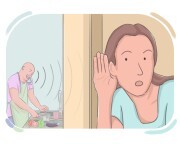
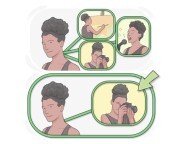
to a very small degree or extent
ほとんど~ない,かろうじて
彼女は彼をほとんど知らなかったが、助けることに同意した。
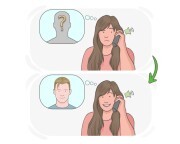
to know who a person or what an object is, because we have heard, seen, etc. them before
認識する,見分ける
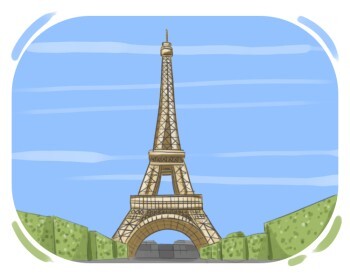
a tall and often narrow building that stands alone or is part of a castle, church, or other larger buildings
塔,鐘楼
新しい超高層ビルの頂上には装飾用の塔が設置されます。
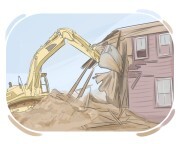
to destroy something completely
何かを完全に破壊する, 建物や構造物を完全に取り壊す
古いスタジアムを取り壊す決定は賛否両論の反応を受けた。
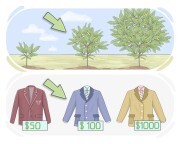
to a degree that is high but not very high
かなり,結構
先週に比べて今週の天気はかなり穏やかです。
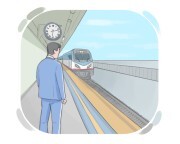
within a short time from now or from another particular time
within a short time from now or from another particular time
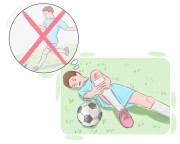
used to indicate that something that was once true or done is no longer the case
もう...ない,もう
私はもうビデオゲームを楽しんでいません もう.
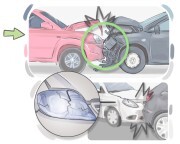
in a manner that suggests harm, damage, or threat is substantial
深刻に,重大に
彼は事故で重傷を負った。
used to say that something happened frequently or constantly in the past but not anymore
よく...したものだ,以前は...していた
若い頃、私は毎週末サッカーをしていたものです。
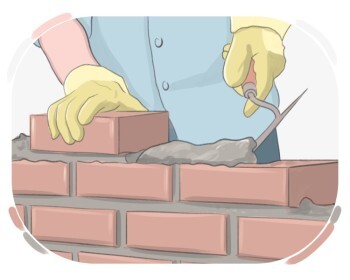
to put together different materials such as brick to make a building, etc.
建てる,建設する
彼のクルーは現在、川沿いに新しい公園を建設中です。
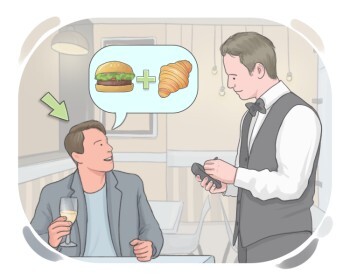
to ask for something, especially food, drinks, services, etc. in a restaurant, bar, or shop
注文する,オーダーする
彼女はコーヒーショップから持ち帰り用のラテを注文しました。