pattern

本 Insight - 初中級 - ユニット 1 - 1A

ここでは、Insight Pre-Intermediateコースブックのユニット1 - 1Aからの語彙が見つかります。例えば「健康」、「誇り」、「ルーティン」など。

復習

フラッシュカード

綴り

クイズ
学習を開始
Insight - Pre-Intermediate
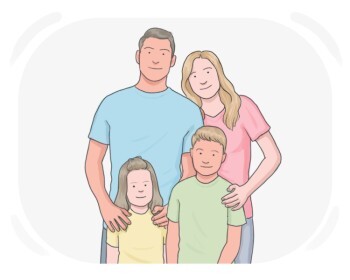
family
family
[名詞]

people that are related to each other by blood or marriage, normally made up of a father, mother, and their children

家族,親族

家族,親族

Ex: My sister is my best friend and we do everything together as a family. 

私の姉妹は私の親友で、私たちは家族としてすべてを一緒にします。

free time
free time
[名詞]

a period when no work or essential tasks need to be done, allowing for activities of personal choice

自由時間

自由時間

Ex: She enjoys reading novels in her free time. 

彼女は暇な時間に小説を読むのを楽しんでいます。

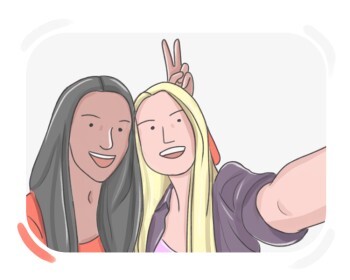
friend
friend
[名詞]

someone we like and trust

友達,仲間

友達,仲間

Ex: Michael enjoys going out for coffee with his friends from work to catch up and unwind after a long day. 

マイケルは、長い一日の後に仕事仲間の友人とコーヒーを飲みに出かけ、近況を報告し、リラックスすることを楽しんでいます。

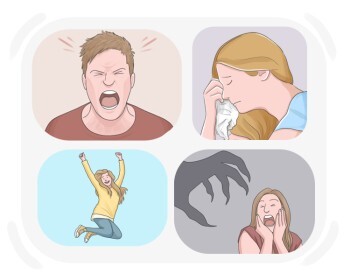
happiness
happiness
[名詞]

the feeling or state of being happy

幸せ

幸せ

Ex: Emma smiled with happiness when she saw her family waiting for her. 
health
health
[名詞]

the general condition of a person's mind or body

健康,体調

健康,体調

Ex: The government launched a campaign to promote health awareness in the community. 

政府はコミュニティで健康意識を促進するためのキャンペーンを開始しました。

success
success
[名詞]

the fact of reaching what one tried for or desired

成功,達成

成功,達成

Ex: Despite initial setbacks, the team's collaborative efforts ultimately culminated in a resounding success. 

最初の挫折にもかかわらず、チームの協力的な努力は最終的に大いなる成功に至りました。
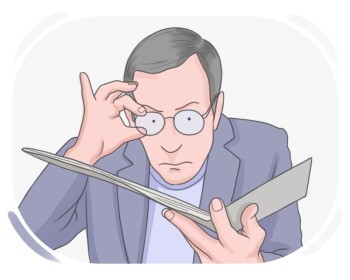
interested
interested
[形容詞]

having a feeling of curiosity or attention toward a particular thing or person because one likes them

興味がある,好奇心旺盛な

興味がある,好奇心旺盛な

Ex: She was genuinely interested in learning French. 

彼女はフランス語を学ぶことに本当に興味を持っていました。

proud
proud
[形容詞]

feeling satisfied with someone or one's possessions, achievements, etc.

誇りに思う,自慢の

誇りに思う,自慢の

Ex: They were proud of their new home after years of hard work to afford it. 

彼らは何年も苦労して手に入れた新しい家を誇りに思っていました。

keen
keen
[形容詞]

having the ability to learn or understand quickly

鋭い,聡明な

鋭い,聡明な

Ex: The keen student quickly understood the complex mathematical problem. 

鋭い学生は複雑な数学の問題をすぐに理解しました。

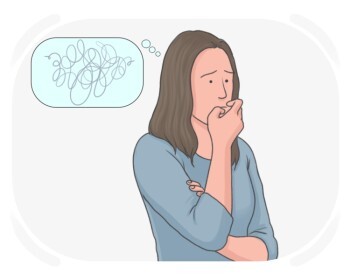
anxious
anxious
[形容詞]

(of a person) feeling worried because of thinking something unpleasant might happen

心配な,不安な

心配な,不安な

Ex: She felt anxious before her job interview, worrying about whether she would perform well. 

彼女は就職面接の前に不安を感じ、うまくできるかどうか心配していた。

afraid
afraid
[形容詞]

feeling fear because someone or something seems dangerous, frightening, or likely to cause harm

feeling fear because someone or something seems dangerous, frightening, or likely to cause harm

feeling fear because someone or something seems dangerous, frightening, or likely to cause harm

Ex: Sarah has always been afraid of spiders. 
ashamed
ashamed
[形容詞]

feeling embarrassed or sorry about one's actions, characteristics, or circumstances

恥ずかしい,申し訳なく思う

恥ずかしい,申し訳なく思う

Ex: She felt ashamed of her behavior at the party, realizing she had acted inappropriately. 

彼女はパーティーでの自分の振る舞いに恥ずかしいと感じ、不適切に行動していたことに気づいた。
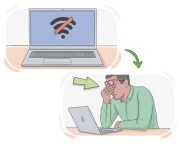
fed up
fed up
[形容詞]

feeling tired, annoyed, or frustrated with a situation or person

うんざりして苛立っている, もう我慢の限界の

うんざりして苛立っている, もう我慢の限界の

Ex: I'm fed up with all the traffic jams on my way to work every morning. 

毎朝通勤中に渋滞に巻き込まれるのは、もううんざりだ。

excited
excited
[形容詞]

feeling very happy, interested, and energetic

興奮した,ワクワクしている, very happy and full of energy

興奮した,ワクワクしている, very happy and full of energy

Ex: He was excited to start his new job. 

彼は新しい仕事を始めることに興奮していました。

education
education
[名詞]

the process of teaching and learning, especially in schools, colleges, or universities

Ex: Every child deserves access to a good education. 
routine
routine
[名詞]

a set of actions or behaviors that someone does regularly or habitually

ルーティン,習慣

ルーティン,習慣

Ex: His exercise routine includes jogging and push-ups. 

彼の運動ルーティンにはジョギングと腕立て伏せが含まれます。

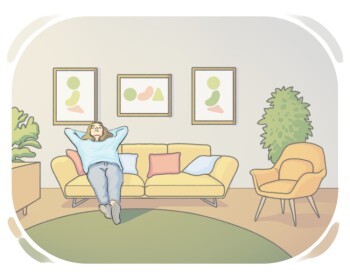
to go out
to go out
[動詞]

to leave the house and attend a specific social event to enjoy your time

遊びに出かける, 社交のため外出する

遊びに出かける, 社交のため外出する

Ex: He often goes out to play basketball in the park with his friends. 

彼はよく友達と公園でバスケットボールをしに出かけます。

to make
to make
[動詞]

to prepare or cook something

準備する,調理する

準備する,調理する

Ex: He made sandwiches for everyone at the picnic. 

彼はピクニックで皆のためにサンドイッチを作りました。

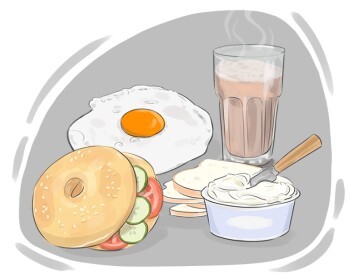
breakfast
breakfast
[名詞]

the first meal we have in the early hours of the day

朝食

朝食

Ex: The café served a delicious breakfast sandwich with eggs, cheese, and ham on a toasted bagel. 

カフェは、トーストしたベーグルに卵、チーズ、ハムをのせた美味しい朝食サンドイッチを提供しました。

to have
to have
[動詞]

to eat or drink something

取る,食べる

取る,食べる

Ex: Let's have a snack while we watch the movie. 

映画を見ながらおやつを食べましょう。

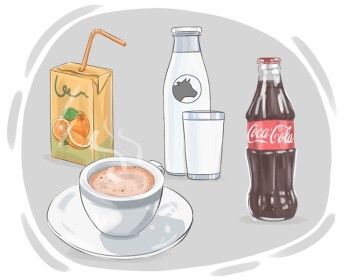
drink
drink
[名詞]

any liquid that we can drink

飲み物,ドリンク

飲み物,ドリンク

Ex: I always start my morning with a warm drink, like tea or coffee. 

私はいつも朝を温かい飲み物、例えば紅茶やコーヒーで始めます。

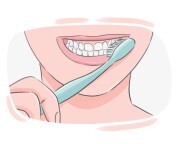
to brush
to brush
[動詞]

to use a toothbrush to clean and remove plaque or food particles from the teeth and gums

磨く

磨く

Ex: She brushed her teeth carefully with a new toothbrush. 

彼女は新しい歯ブラシで注意深く歯を磨きました。

to get
to get
[動詞]

to become or begin to be in a particular state or condition

Ex: It's getting cold outside. 
ready
ready
[形容詞]

physically prepared or equipped to do something or deal with a particular situation
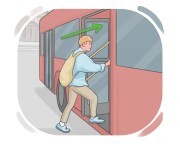
Ex: Sarah was ready to leave for the airport. 
to take
to take
[動詞]

to use a particular route or means of transport in order to go somewhere

取る,利用する

取る,利用する

Ex: Take the bridge across the river to the other side. 

川を渡って反対側に行くには橋を使ってください。

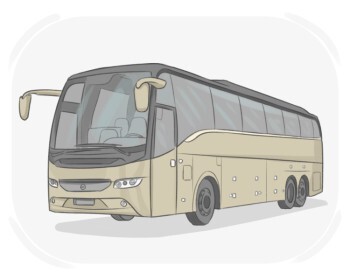
bus
bus
[名詞]

a large vehicle that carries many passengers by road

バス,乗合自動車

バス,乗合自動車

Ex: The bus took us to the city center where we explored the shops and attractions. 

バスは私たちを街の中心部に連れて行き、そこで店や観光スポットを探索しました。

to comb
to comb
[動詞]

to use a tool with narrow, evenly spaced teeth to untangle and arrange hair

梳く,整える

梳く,整える

Ex: He combs his daughter's hair into a ponytail before school. 

彼は学校の前に娘の髪をポニーテールに梳かします。

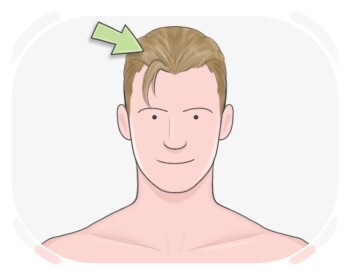
hair
hair
[名詞]

the thin thread-like things that grow on our head

髪,毛

髪,毛

Ex: I need a haircut because my hair is getting too long. 

髪が伸びすぎてきたので、散髪が必要です。

to check
to check
[動詞]

to discover information about something or someone by looking, asking, or investigating

確認する, 調べる
確認する, 調べる

Ex: She checked the train schedule before leaving home. 
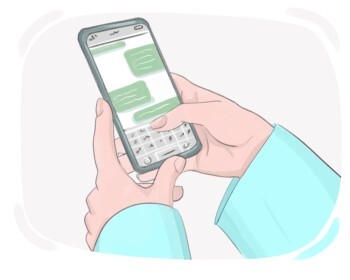
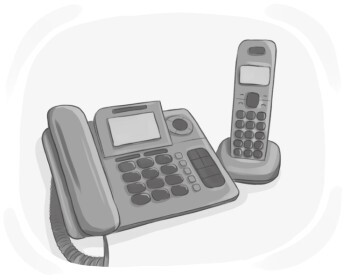
phone
phone
[名詞]

an electronic device used to talk to a person who is at a different location

電話,携帯電話

電話,携帯電話

Ex: I received an important call on my mobile phone. 

私は携帯電話で重要な電話を受けました。

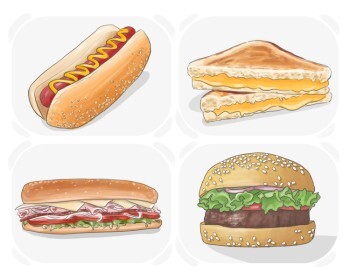
sandwich
sandwich
[名詞]

a food made by placing a filling between two slices or pieces of bread

サンドイッチ
サンドイッチ

Ex: Emma packed a turkey sandwich for lunch. 
to get
to get
[動詞]

to arrive at or reach a particular place

Ex: What time did you get home last night? 
home
home
[名詞]

the place that we live in, usually with our family

家,家庭

家,家庭

Ex: She enjoys cooking meals for her family in the kitchen of their home. 

彼女は家族のために家のキッチンで食事を作ることを楽しんでいます。

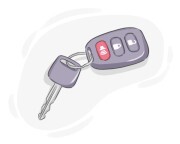
car key
car key
[名詞]

a small handheld device used to unlock and start the engine of a car

車の鍵,イグニッションキー

車の鍵,イグニッションキー

Ex: I forgot my car key at home, so I had to call a friend for a ride. 

家に車の鍵を忘れたので、友達に電話して乗せてもらわなければなりませんでした。
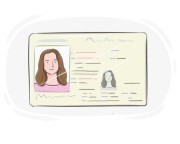
ID card
ID card
[名詞]

any official card that shows someone's name, birth date, photograph, etc., proving who they are

身分証明書,IDカード

身分証明書,IDカード

Ex: She always carries her ID card with her to ensure she can verify her identity when needed. 

彼女は必要な時に身元を確認できるように、常に身分証明書を持ち歩いています。

bus ticket
bus ticket
[名詞]

a printed or digital pass that allows a person to travel on a bus

バスチケット,バスの切符

バスチケット,バスの切符

Ex: She bought a bus ticket to the city center. 

彼女は市中心部へのバスチケットを買いました。

shopping list

a list of items intended for purchase during a shopping trip to a store or market

買い物リスト

買い物リスト

Ex: She checked her shopping list to make sure she didn't forget anything. 

彼女は何も忘れていないか確認するために買い物リストをチェックしました。

mobile phone
mobile phone
[名詞]

a cellular phone or cell phone; ‌a phone without any wires and with access to a cellular radio system that we can carry with us and use anywhere

携帯電話,モバイルフォン

携帯電話,モバイルフォン

Ex: She always carries her mobile phone with her to stay connected with friends and family. 

彼女はいつも 携帯電話 を持ち歩いて、友人や家族とつながっています。

computer game

a game designed to be played on a computer

コンピュータゲーム, ビデオゲーム

コンピュータゲーム, ビデオゲーム

Ex: He spent the evening playing his favorite computer game. 

彼は夜を過ごして、お気に入りのコンピュータゲームをプレイしました。

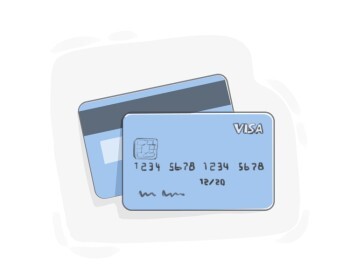
credit card
credit card
[名詞]

a plastic card, usually given to us by a bank, that we use to pay for goods and services

クレジットカード,銀行カード

クレジットカード,銀行カード

Ex: He applied for a new credit card with a lower interest rate. 

彼はより低い金利の新しいクレジットカードを申請した。

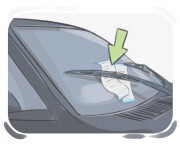
parking ticket

a notice issued by authorities, typically a fine, given to a driver for violating parking regulations

駐車違反切符,駐車チケット

駐車違反切符,駐車チケット

Ex: He received a parking ticket for leaving his car in a no-parking zone. 

彼は駐車禁止区域に車を止めたことで駐車違反切符を受け取りました。

shopping bag
shopping bag
[名詞]

a bag made of cloth, paper, or plastic with two handles, used for carrying what you buy

ショッピングバッグ,買い物袋

ショッピングバッグ,買い物袋

Ex: He struggled to carry the heavy shopping bag. 

彼は重い買い物袋を運ぶのに苦労した。

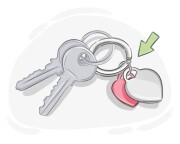
key ring
key ring
[名詞]

a ring, usually made of metal or plastic, that people use to keep their keys together

キーリング,鍵輪

キーリング,鍵輪

Ex: She attached her house keys to a colorful key ring that matched her favorite handbag. 

彼女は家の鍵を、お気に入りのハンドバッグに合ったカラフルなキーリングに付けました。

birthday program

a planned series of events or activities organized to celebrate someone's birthday, such as a special meal or gifts

誕生日プログラム,誕生日祝賀
誕生日プログラム,誕生日祝賀

tooth
tooth
[名詞]

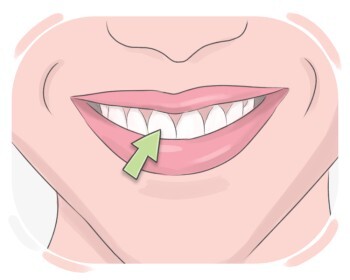
one of the things in our mouth that are hard and white and we use to chew and bite food with

歯

歯

Ex: He winced as the dentist extracted the decayed tooth, providing relief from the persistent ache. 

歯医者が腐った歯を抜くと、彼は顔をしかめ、持続的な痛みから解放されました。

LanGeek
LanGeekアプリをダウンロード