
本 Interchange - 中級 - ユニット14 - パート2
ここでは、Interchange Intermediate教科書のユニット14 - パート2からの語彙を、「規制」、「締める」、「鳴る」など見つけることができます。
復習
フラッシュカード
綴り
クイズ

used to make a polite request or ask someone for permission
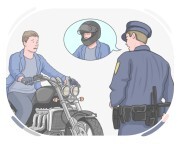
used to show that something is very important and needs to happen

しなければならない,する必要がある
ゲストはフォーマルなイベントのために定められたドレスコードに従わなければなりません。
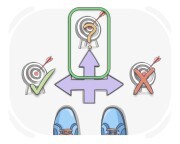
used to indicate that something may be true or may happen, without being certain
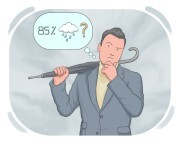
used to indicate that something is very likely to happen or be true, but is not certain
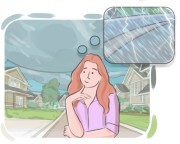
used to emphasize that something is certain or true without any doubt

making little or no noise, or having very little sound
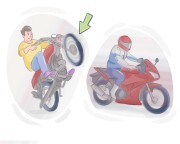
very foolish, unreasonable, or absurd
無茶な,非常識な
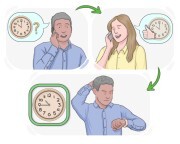
doing or happening after the time that is usual or expected
遅れた,遅い
会議に遅れています。
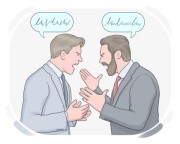
to speak to someone often angrily because one disagrees with them
言い争う,口論する
私は両親と議論するのが嫌いですが、今回は彼らが間違っていました。
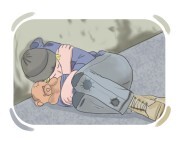
having little or no financial resources
金欠の, ほとんどお金がない
次の給料日まで金欠なんだ。
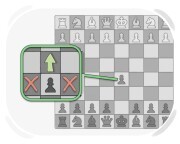
instructions or guidelines that determine how a game or sport is played
ルール,規定
ルールはボードゲームにおける公平性を保証します。

a rule made by the government, an authority, etc. to control or govern something within a particular area
規制,規制
航空業界は、乗客の安全とセキュリティに関する厳しい規制の対象となっています。
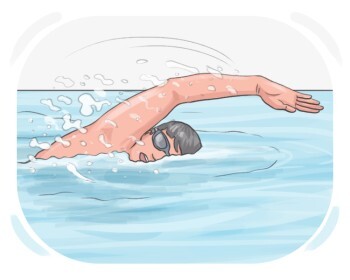
to move through water by moving the arms and legs or, in animals, other parts of the body
泳ぐ, 水泳する
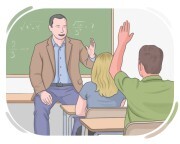
to let someone or something do a particular thing
許可する,許す
公園は、サービスアニマルを除いて犬を許可していません。
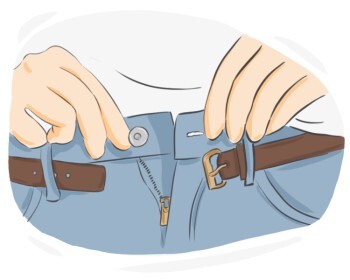
to close or join the parts of something using buttons, buckles, zippers, or similar devices
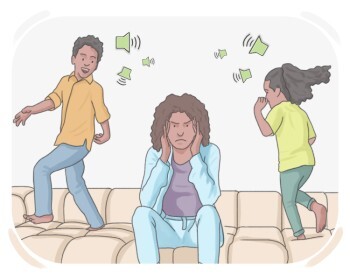
to make someone feel worried, upset, or emotionally unsettled
a manner of speaking or writing that is characteristic of a particular person, group, or era, and that involves the use of particular words, phrases, or expressions in a distinctive way
イディオム,言語
詩人の言葉遣いは、産業革命時代の労働者階級の苦闘を反映していた。
completely or without any limitation or exception
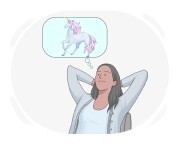
to make or have an image of something in our mind
想像する,思い描く
目を閉じて海の上に美しい夕日を想像してください。
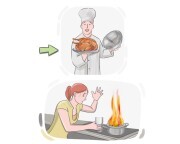
anything that is very easy to achieve or do
朝飯前, とても簡単
勉強した人にとって、その試験は朝飯前だった。
the point or place where something has its foundation or beginning
起源,源
彼らはその病気の起源を特定の動物種にたどりました。
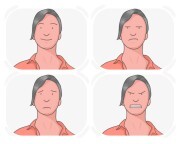
a specific look on someone's face, indicating what they are feeling or thinking
表情, 視線
複雑な問題に取り組んでいる間、彼の顔には深い集中の表情があった。

a person who is a member of a ship's crew
船員,水夫
船員の仕事はロープや装備を扱うことを含みます。
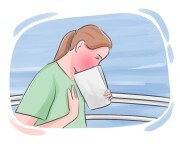
feeling sick or nauseous due to the motion of the ship or boat one is traveling with
船酔い,船の動きで気分が悪い
ボートが港を出てすぐに、彼女は船酔いを感じた。
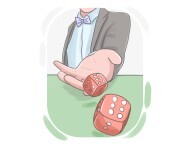
to throw something lightly, quickly, or casually
投げる, 放る
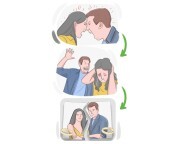
the final and decisive event or action that pushes someone beyond their tolerance or patience, leading to a significant reaction or decision
最後の一押し, 堪忍袋の緒を切る一件
支払いの遅れが、業者にとって最後の一押しだった。
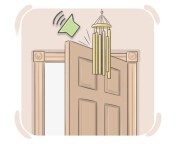
to make a ringing sound, like a bell or clock
鳴る,響く
壁の時計は毎時鳴ります。
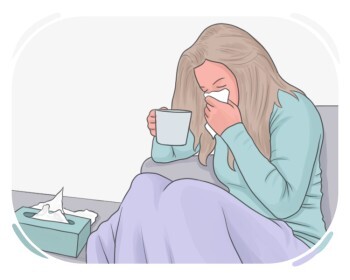
feeling unwell or slightly ill
体調不良, 気分が優れない
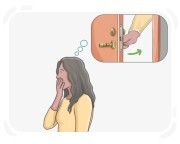
to make one feel a sense of familiarity or help one remember something
聞き覚えがある, 何か思い出させる
彼女の名前には聞き覚えがあるけど、どこで聞いたのか思い出せない。
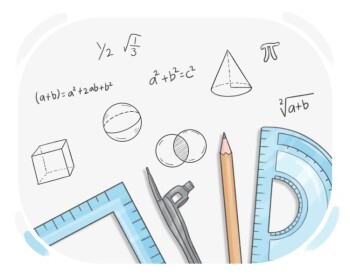
the study of numbers and shapes that involves calculation and description
数学,算数
彼らは複雑な数学の計算を助けるために電卓を使います。
| 本 Interchange - 中級 | |||
|---|---|---|---|
| ユニット10 - パート2 | ユニット11 - パート1 | ユニット11 - パート2 | ユニット12 |
| ユニット13 - パート1 | ユニット13 - パート2 | ユニット14 - パート1 | ユニット14 - パート2 |
| ユニット15 | ユニット16 - パート1 | ユニット16 - パート2 | |
