pattern

本 Interchange - 中上級 - ユニット9 - パート2

ここでは、Interchange Upper-Intermediate教科書のユニット9 - パート2からの語彙、例えば「説得する」、「致命的な」、「名声のある」などを見つけることができます。

レビュー

フラッシュカード

語形

綴り

クイズ

学習を開始
Interchange - Upper-intermediate
responsible
responsible
[形容詞]

(of a person) having an obligation to do something or to take care of someone or something as part of one's job or role

責任がある

責任がある

Ex: As the team leader, he is responsible for assigning tasks and ensuring deadlines are met. 

チームリーダーとして、彼はタスクの割り当てと締め切りの遵守を責任としています。
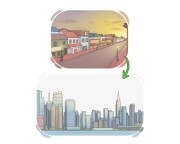
to develop
to develop
[動詞]

to change and become stronger or more advanced

発展させる, 進化する

発展させる, 進化する

Ex: As the project progresses, we expect it to develop and incorporate new features. 
option
option
[名詞]

something that can or may be chosen from a number of alternatives

オプション,  選択肢

オプション, 選択肢

Ex: He considered all his options before making a decision about where to study. 
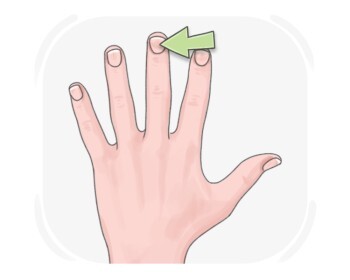
to bite
to bite
[動詞]

to cut into flesh, food, etc. using the teeth

噛む, 咀嚼する
噛む, 咀嚼する

Ex: The toddler tried to bite into the juicy apple but struggled with his small teeth. 
nail
nail
[名詞]

the hard smooth layer that grows over the end of a finger or toe

爪

爪

Ex: Emma painted her nails bright red. 
to afford
to afford
[動詞]

to be able to pay the cost of something

購入できる, 支払う余裕がある

購入できる, 支払う余裕がある

Ex: The goal is to afford essential needs and still have room for savings and leisure activities. 
advice
advice
[名詞]

a suggestion or an opinion that is given with regard to making the best decision in a specific situation

助言, 忠告

助言, 忠告

Ex: She sought her grandmother's advice before making a major career decision. 

彼女は大きなキャリアの決断をする前に祖母の助言を求めました。

to argue
to argue
[動詞]

to speak to someone often angrily because one disagrees with them

言い争う, 口論する

言い争う, 口論する

Ex: I hate to argue with my parents, but this time they were wrong. 
to agree
to agree
[動詞]

to hold the same opinion as another person about something

同意する, 賛成する

同意する, 賛成する

Ex: She agreed with the teacher's comment about her essay. 
to graduate
to graduate
[動詞]

to successfully complete a course of study at a university, college, or school and receive a degree or diploma

Ex: Emma graduated from college last year. 
to convince
to convince
[動詞]

to persuade someone to do something by giving reasons or arguments

説得する, 納得させる

説得する, 納得させる

Ex: She convinced me to apply for the job. 
capable
capable
[形容詞]

having the ability or capacity to do something

有能な, 能力のある

有能な, 能力のある

Ex: She is capable of solving complex problems. 

彼女は複雑な問題を解決する能力があります。

pancreatic
pancreatic
[形容詞]

relating to the organ that controls blood sugar, called pancreas

膵臓の, 膵臓に関連する

膵臓の, 膵臓に関連する

Ex: Pancreatic cancer is a serious disease with a low survival rate. 

膵臓癌は生存率の低い深刻な病気です。

cancer
cancer
[名詞]

a disease in which abnormal cells grow uncontrollably and may invade nearby tissues or spread to other parts of the body

癌,  がん
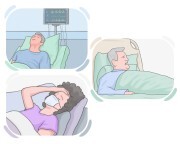
癌, がん

Ex: His cancer had spread to nearby tissues before it was discovered. 
disease
disease
[名詞]

an illness in a human, animal, or plant that affects health

病気, 疾患
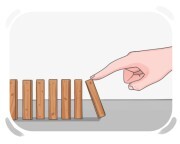
病気, 疾患

Ex: She is researching a cure for a rare disease. 
to affect
to affect
[動詞]

to cause a change in a person, thing, etc.

影響を与える, 変化させる
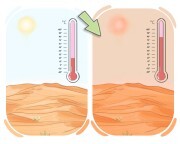
影響を与える, 変化させる

Ex: Lack of proper nutrition can affect a child's physical and cognitive development. 
deeply
deeply
[副詞]

used to express strong emotions, concerns, or intensity of feeling

深く, 強く

深く, 強く

Ex: She was deeply moved by the kindness of strangers. 

彼女は見知らぬ人の親切に深く感動しました。

lethal
lethal
[形容詞]

capable of causing death

致死性の, 致命的な

致死性の, 致命的な

Ex: The doctor warned that the patient's cancer had progressed to a lethal stage, with limited treatment options available. 

医師は、患者の癌が致死的な段階に進行し、治療法が限られていると警告しました。
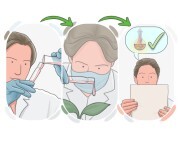
to determine
to determine
[動詞]

to learn of and confirm the facts about something through calculation or research

決定する, 確立する
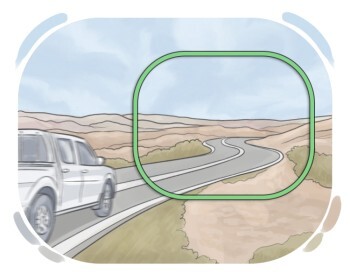
決定する, 確立する

Ex: The archaeologists determined the age of the artifacts through carbon dating. 
ahead
ahead
[副詞]

in position or direction that is further forward or in front of a person or thing

前方に, 先に

前方に, 先に

Ex: Please drive carefully, there's a sharp curve ahead. 

慎重に運転してください、前方に急カーブがあります 前方。

endlessly
endlessly
[副詞]

without an end or limit

終わりなく, 無限に

終わりなく, 無限に

Ex: The author's creativity seemed to flow endlessly as they penned one book after another. 

著者の創造性は、本を次々と執筆するうちに無限に流れ出ているように見えた。

proposal
proposal
[名詞]

something suggested or put forward for consideration, such as an idea, plan, or assumption

提案, アイデア

提案, アイデア

Ex: His proposal to change the schedule caused debate. 
positively
positively
[副詞]

in a way that shows a good or optimistic attitude, expressing approval, joy, or support

肯定的に、好意的に

肯定的に、好意的に

Ex: She responded positively to the news of her promotion, expressing joy and gratitude. 

彼女は昇進の知らせに肯定的に反応し、喜びと感謝の意を表した。

guidance
guidance
[名詞]

help and advice about how to solve a problem, given by someone who is knowledgeable and experienced

指導,  助言

指導, 助言

Ex: The spiritual leader offered guidance to members of the community, providing wisdom and support during times of crisis. 
laboratory
laboratory
[名詞]

a room or building equipped for scientific research, experiments, testing, or the production of chemicals or medicines

Ex: Students carried out the experiment in the chemistry laboratory. 
to reward
to reward
[動詞]

to give someone something because of their success, hard work, specific achievements, etc.

報いる

報いる

Ex: The teacher decided to reward the students who performed exceptionally well on the exam with extra recess time. 
prize
prize
[名詞]

anything that is given as a reward to someone who has done very good work or to the winner of a contest, game of chance, etc.

賞, 報酬

賞, 報酬

Ex: They presented her with a certificate and a trophy as a prize for being the top performer of the year. 
prestigious
prestigious
[形容詞]

having a lot of respect, honor, and admiration in a particular field or society

名声のある,  尊敬される

名声のある, 尊敬される

Ex: Winning a Nobel Prize is considered one of the most prestigious achievements in academia. 
innovator
innovator
[名詞]

a person who introduces new ideas, methods, or products that have the potential to positively impact society

革新者, 先駆者

革新者, 先駆者

Ex: She is a leading innovator in technology. 

彼女は技術分野で主導的な革新者です。

eventually
eventually
[副詞]

after or at the end of a series of events or an extended period

最終的に, 結局

最終的に, 結局

Ex: He eventually became the manager of the company. 

最終的に彼は会社のマネージャーになりました。

contestant
contestant
[名詞]

a person who takes part in a competition or contest

参加者, 競技者

参加者, 競技者

Ex: Each contestant performed a song for the judges. 

各出場者は審査員のために歌を披露しました。

award
award
[名詞]

a sum of money or other compensation granted by a court as the result of a legal judgment

賠償金, 補償
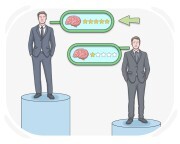
賠償金, 補償

Ex: The company challenged the arbitration award in court. 
advantage
advantage
[名詞]

a condition that causes a person or thing to be more successful compared to others

利点

利点

Ex: The new software update offers several advantages, including improved security and faster performance. 
process
process
[名詞]

a specific course of action that is performed in order to accomplish a certain objective

プロセス, 手順

プロセス, 手順

Ex: Following the proper process ensures consistency in quality. 
LanGeek
LanGeekアプリをダウンロード