pattern

本 Solutions - 初歩 - はじめに - AI - パート2

ここでは、Solutions ElementaryコースブックのIntroduction - IA - Part 2からの語彙を見つけることができます。例えば「最初」、「日付」、「4月」など。

レビュー

フラッシュカード

綴り

クイズ
学習を開始
Solutions - Elementary
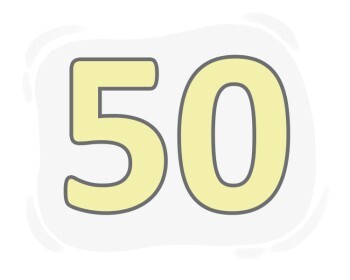
fifty
fifty
[数詞]

the number 50

五十

五十

Ex: She celebrated her fiftieth birthday with a big party surrounded by family and friends. 
date
date
[名詞]

a specific day in a month or sometimes a year, shown using a number and sometimes a name

日付

日付

Ex: The wedding date is set for next month. 
first
first
[形容詞]

(of a person) coming or acting before any other person

最初の

最初の

Ex: He was the first person to climb the mountain. 

彼はその山に登った最初の人でした。

second
second
[形容詞]

being number two in order or time

二番目の, 二次的な

二番目の, 二次的な

Ex: The second day of the conference focused on workshops. 
third
third
[形容詞]

coming after the second in order or position

三番目の, 第三の

三番目の, 第三の

Ex: He was the third person in line for the concert. 

彼はコンサートの列の3番目の人でした。

fourth
fourth
[形容詞]

coming or happening just after the third person or thing

四番目, 四位

四番目, 四位

Ex: Tim is in his fourth year of studying computer science at the university. 
fifth
fifth
[形容詞]

coming or happening just after the fourth person or thing

五番目の

五番目の

Ex: Emily celebrated her fifth birthday with a colorful party. 

エミリーはカラフルなパーティーで5回目の誕生日を祝いました。

sixth
sixth
[形容詞]

coming or happening right after the fifth person or thing

六番目の

六番目の

Ex: The students were excited to graduate and receive their diplomas on the sixth of June. 

学生たちは6月6日に卒業して卒業証書を受け取ることを楽しみにしていました。

seventh
seventh
[形容詞]

coming or happening just after the sixth person or thing

七番目の

七番目の

Ex: Jake won the gold medal in the hundred-meter dash at the school's seventh-grade sports meet. 

ジェイクは学校の7年生の運動会で100メートル走の金メダルを獲得しました。

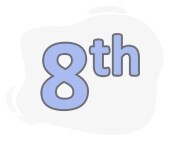
eighth
eighth
[形容詞]

coming or happening right after the seventh person or thing

八番目の, 八番目の

八番目の, 八番目の

Ex: Sarah proudly received the award for being the eighth student to complete the challenging math puzzle. 

サラは、難しい数学パズルを完成させた8番目の学生として、誇らしげに賞を受け取りました。

ninth
ninth
[形容詞]

coming or happening just after the eighth person or thing

九番目の

九番目の

Ex: Amanda finished in the ninth position in the marathon, a remarkable achievement for her first race. 

アマンダはマラソンで9位でフィニッシュし、彼女の最初のレースで注目すべき成果を上げました。

tenth
tenth
[形容詞]

coming or happening right after the ninth person or thing

十番目の, 十番目

十番目の, 十番目

Ex: The team celebrated their tenth consecutive victory with a joyous locker room party. 

チームはロッカールームで楽しいパーティーを開き、10回目の連勝を祝った。

twelfth
twelfth
[形容詞]

coming or happening right after the eleventh person or thing

十二番目の, 十二番目の人や物

十二番目の, 十二番目の人や物

Ex: The twelfth day of Christmas is celebrated with various traditions around the world. 

クリスマスの12番目の日は、世界中でさまざまな伝統で祝われます。

twentieth
twentieth
[形容詞]

coming or happening right after the nineteenth person or thing

二十番目の

二十番目の

Ex: The twentieth of December marks the beginning of winter in the Northern Hemisphere. 

12月20日は北半球での冬の始まりを示しています。

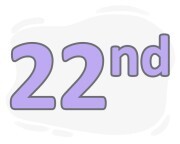
twenty-second
twenty-second
[形容詞]

coming or happening right after the twenty-first person or thing

二十二番目の

二十二番目の

Ex: The twenty-second of February is celebrated as World Thinking Day, encouraging global awareness and action. 

2月22日は、世界的な意識と行動を促す世界思考の日として祝われます。

thirty-first
thirty-first
[形容詞]

coming or happening right after the thirtieth person or thing

三十一番目, 三十一

三十一番目, 三十一

Ex: The thirty-first of October is widely celebrated as Halloween, with people dressing up in costumes and trick-or-treating. 

10月の31日は、人々が仮装してトリックオアトリートをするハロウィーンとして広く祝われています。
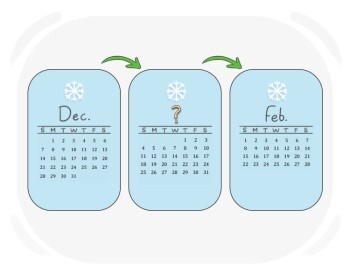
January
January
[名詞]

the first month of the year, after December and before February

1月
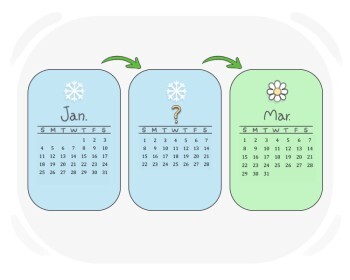
1月

Ex: As January progresses, daylight hours gradually increase, signaling the slow transition from winter to spring. 
February
February
[名詞]

the second month of the year, after January and before March

2月
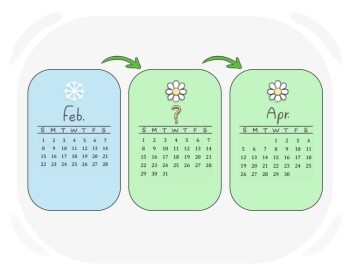
2月

Ex: In February, the air begins to feel a bit milder as winter gradually gives way to the promise of spring. 
March
March
[名詞]

the third month of the year, after February and before April

3月
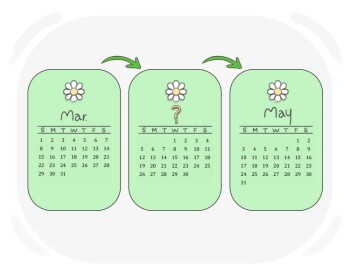
3月

Ex: March marks the transition from winter to spring, with longer days and the emergence of colorful blooms like daffodils and tulips. 
April
April
[名詞]

the fourth month of the year, after March and before May

4月
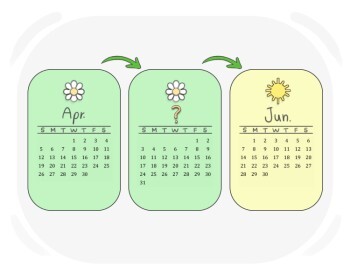
4月

Ex: In many cultures, April is associated with Easter, a Christian holiday celebrating the resurrection of Jesus Christ, marked by traditions like egg hunts and religious services. 
May
May
[名詞]

the fifth month of the year, after April and before June

5月
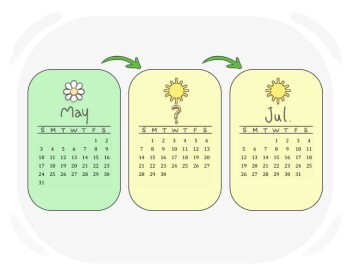
5月

Ex: Many flowers bloom in May, such as tulips and daisies. 
June
June
[名詞]

the sixth month of the year, after May and before July

6月
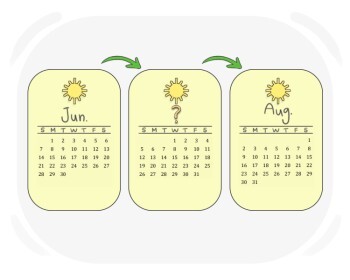
6月

Ex: Father's Day, celebrated on the third Sunday of June in various countries, honors fathers and fatherhood with gifts, cards, and family gatherings. 
July
July
[名詞]

the seventh month of the year, after June and before August

7月
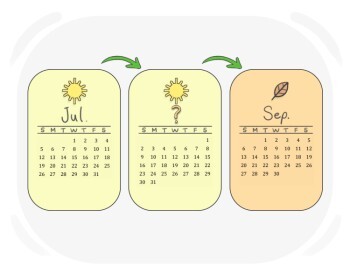
7月

Ex: In some regions, July marks the beginning of harvest season, with farmers busy harvesting crops such as corn, tomatoes, berries, and other fruits and vegetables. 
August
August
[名詞]

the eighth month of the year, after July and before September

8月
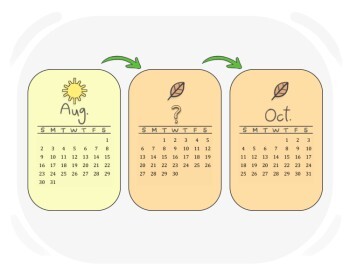
8月

Ex: Many families use August as an opportunity for last-minute vacations before the end of summer break, visiting amusement parks, resorts, or going on road trips. 
September
September
[名詞]

the ninth month of the year, after August and before October

9月
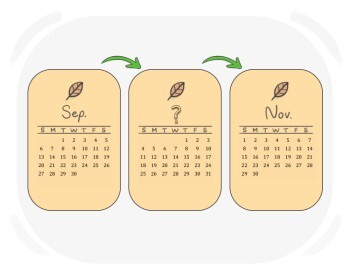
9月

Ex: September often sees the start of various cultural events and festivals, including harvest festivals, art exhibitions, and music concerts, offering entertainment options for communities. 
October
October
[名詞]

the tenth month of the year, after September and before November

十月
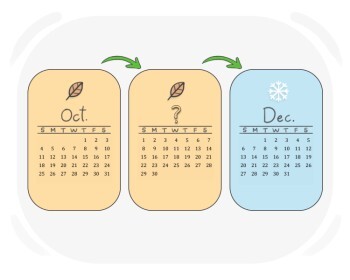
十月

Ex: In some cultures, October is associated with harvest festivals and agricultural celebrations, where communities come together to give thanks for the bounty of the season and share in traditional foods and rituals. 
November
November
[名詞]

the 11th month of the year, after October and before December

11月
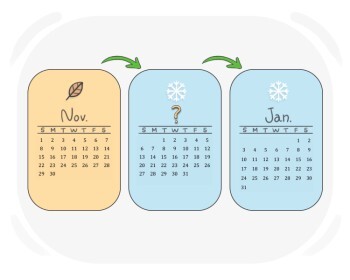
11月

Ex: In some regions, November brings the first snowfall of the season, transforming landscapes into winter wonderlands and offering opportunities for outdoor activities like skiing, snowboarding, and building snowmen. 
December
December
[名詞]

the 12th and last month of the year, after November and before January

12月

12月

Ex: December is a month of festive celebrations, with many cultures around the world observing holidays such as Christmas, Hanukkah, and Kwanzaa with decorations, gatherings, and gift-giving. 
country
country
[名詞]

a piece of land with a government of its own, official borders, laws, etc.

国
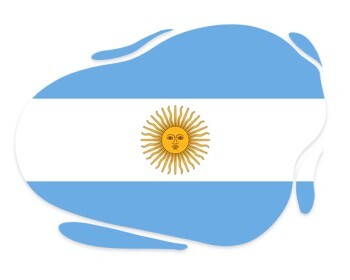
国

Ex: The country celebrated its independence with a grand parade and fireworks. 
Argentina
Argentina
[名詞]

a country in southern South America, bordered by Chile, Bolivia, Paraguay, Brazil, Uruguay, and the South Atlantic Ocean

アルゼンチン

アルゼンチン

Ex: Argentina stretches from subtropical regions in the north to Patagonia in the south. 
Australia
Australia
[名詞]

a large island country in Southwest Pacific Ocean, known for its unique wildlife such as kangaroos

オーストラリア

オーストラリア

Ex: In Australia, they drive on the left side of the road. 
Brazil
Brazil
[名詞]

a country in South America that is the largest country on the continent by area and population

ブラジル
ブラジル

Ex: Brazil is the largest country in South America. 
Canada
Canada
[名詞]

the second largest country in the world that is in the northern part of North America

カナダ
カナダ

Ex: Canada celebrates its national day, Canada Day, on July 1st. 
China
China
[名詞]

the biggest country in East Asia

中国, 中国という国

中国, 中国という国

Ex: China has a diverse landscape that ranges from mountains and deserts to lush forests and vibrant cities. 
Croatia
Croatia
[名詞]

a country in southeastern Europe known for its beautiful coastline, historic cities, and cultural heritage

クロアチア

クロアチア

Ex: Croatia is famous for its beautiful beaches. 

クロアチアは美しいビーチで有名です。

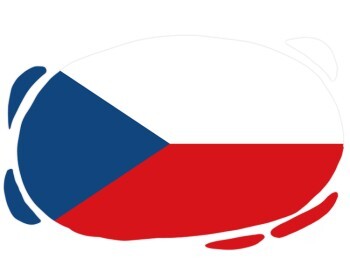
Czech Republic

a country in Central Europe bordered by Germany, Slovakia, Poland, and Austria

チェコ共和国

チェコ共和国

Ex: The Czech Republic is famous for its medieval architecture. 

チェコ共和国は中世の建築で有名です。

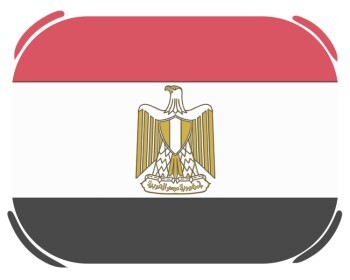
Egypt
Egypt
[名詞]

a country on the continent of Africa with a rich history, famous for its pyramids, temples, and pharaohs

エジプト
エジプト

Ex: Alexandria, a city in Egypt, is known for its ancient library. 
France
France
[名詞]

a country in Europe known for its famous landmarks such as the Eiffel Tower

フランス
フランス

Ex: France is known for its rich history and cultural heritage. 
Germany
Germany
[名詞]

a country located in central Europe, known for its rich history, vibrant culture, and thriving economy

ドイツ

ドイツ

Ex: Oktoberfest is a famous festival celebrated in Germany. 
Greece
Greece
[名詞]

a country in southeastern Europe on the southern part of the Balkan Peninsula

Ex: Greece has thousands of islands in the Aegean and Ionian seas. 
Hungary
Hungary
[名詞]

a landlocked country in Central Europe whose capital is Budapest

ハンガリー

ハンガリー

Ex: Hungary is located in Central Europe. 
India
India
[名詞]

a country in South Asia, the second most populous country

インド, バーラト

インド, バーラト

Ex: India is known for its vibrant festivals like Diwali. 

インドはディワリのような活気ある祭りで知られています。

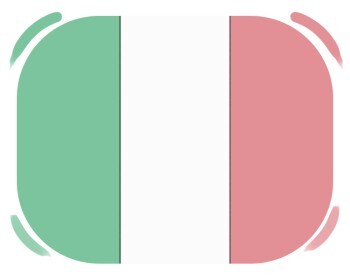
Italy
Italy
[名詞]

a country in southern Europe, with a long Mediterranean coastline

イタリア, イタリアという国
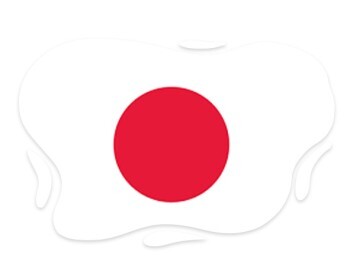
イタリア, イタリアという国

Ex: Milan, in northern Italy, is known for its fashion and design industry. 
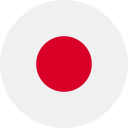
japan
japan
[名詞]

a country that is in East Asia and made up of many islands

日本

日本

Ex: Japan is renowned for its unique blend of traditional culture and modern technology. 

日本は伝統文化と現代技術のユニークな融合で有名です。

Mexico
Mexico
[名詞]

a country in North America south of the United States
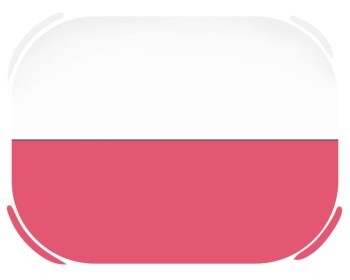
Ex: Mexico shares a long border with the United States. 
Poland
Poland
[名詞]

a country in the Central Europe near the Baltic Sea

ポーランド
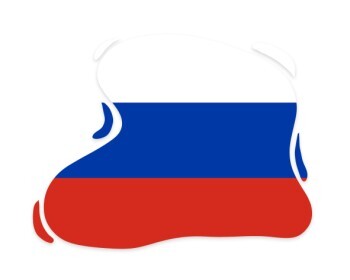
ポーランド

Ex: I didn't know that Poland joined the European Union in 2004. 
Russia
Russia
[名詞]

a country located in Eastern Europe and Northern Asia

ロシア, ロシア連邦

ロシア, ロシア連邦

Ex: The Trans-Siberian Railway is one of the most famous train routes in Russia, connecting Moscow to Vladivostok over a distance of about 9,289 kilometers. 
Slovakia
Slovakia
[名詞]

a country in Central Europe, which became independent in 1993

スロバキア, スロバキア共和国

スロバキア, スロバキア共和国

Ex: Slovakia is famous for its beautiful mountains. 

スロバキアは美しい山々で有名です。

Spain
Spain
[名詞]

a country in southwest Europe

スペイン, スペインという国

スペイン, スペインという国

Ex: Spain has a rich history and is home to many historical landmarks, such as the Roman Aqueduct of Segovia. 
Turkey
Turkey
[名詞]

a country mainly in Western Asia, with a smaller part in southeastern Europe

トルコ

トルコ

Ex: Turkey lies between Europe and Asia. 
Ukraine
Ukraine
[名詞]

a country located in Eastern Europe, bordered by Russia to the east, Belarus to the north, and Poland to the northwest

ウクライナ

ウクライナ

Ex: Ukraine is known as the breadbasket of Europe. 

ウクライナはヨーロッパの穀倉地帯として知られています。

forty-nine
forty-nine
[数詞]

the number 49; the number you get when multiplying seven by seven

四十九, 四十九

四十九, 四十九

Ex: He waited forty-nine minutes for the bus. 

彼はバスを四十九分待った。

the United States

a country in North America that has 50 states

アメリカ合衆国
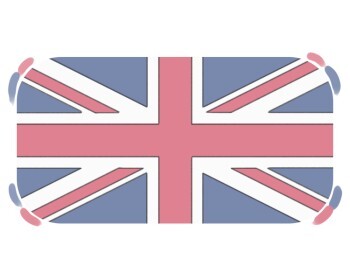
アメリカ合衆国

Ex: She plans to visit the United States next summer to see New York and California. 
United Kingdom

a country in northwest Europe, consisting of England, Scotland, Wales, and Northern Ireland

イギリス

イギリス

Ex: The United Kingdom is known for its music scene, with iconic bands like The Beatles and Queen originating from the country. 
LanGeek
LanGeekアプリをダウンロード