pattern

本 Total English - 中上級 - ユニット1 - 参照 - パート2

ここでは、Total English Upper-Intermediate教科書のUnit 1 - Reference - Part 2からの語彙、例えば「skill」、「get on」、「lonely」などを見つけることができます。

レビュー

フラッシュカード

語形

綴り

クイズ

学習を開始
Total English - Upper-intermediate
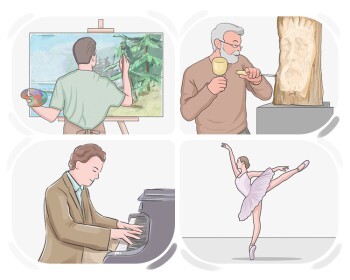
art
art
[名詞]

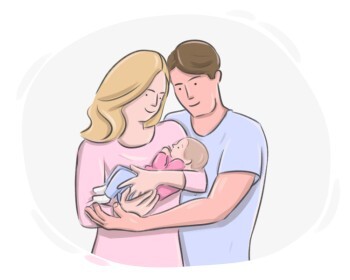
the use of creativity and imagination to express emotions and ideas by making things like paintings, sculptures, music, etc.

芸術
芸術

Ex: I am learning the art of photography to capture moments in a creative way. 
jealous
jealous
[形容詞]

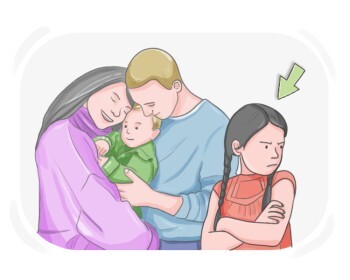
feeling angry and unhappy because someone else has what we want

嫉妬深い, 羨ましい

嫉妬深い, 羨ましい

Ex: Don't be jealous of his success, you can achieve great things too. 

彼の成功を 妬まない で、あなたも素晴らしいことを達成できます。

jealousy
jealousy
[名詞]

feeling angry or unhappy because of someone else's advantages or possessions

嫉妬, ねたみ

嫉妬, ねたみ

Ex: She felt jealousy when her friend got the promotion. 

友人が昇進したとき、彼女は嫉妬を感じた。

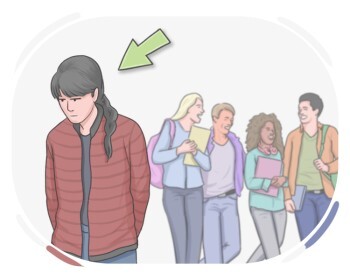
lonely
lonely
[形容詞]

unhappy because of being alone or lacking companionship

寂しい,  孤独な

寂しい, 孤独な

Ex: Emma felt lonely after moving to a new city. 
loneliness
loneliness
[名詞]

the state of not having any companions or company

孤独

孤独

Ex: The loneliness of the remote village was evident, with no neighbors for miles around. 

遠隔の村の孤独は明らかで、何マイルも周りに隣人はいなかった。

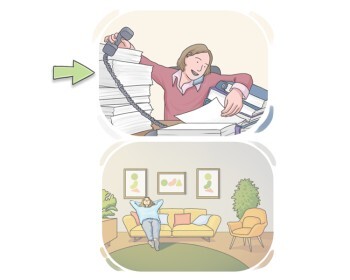
responsible
responsible
[形容詞]

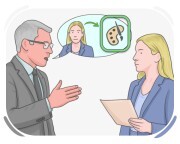
(of a person) having an obligation to do something or to take care of someone or something as part of one's job or role

責任がある

責任がある

Ex: As the team leader, he is responsible for assigning tasks and ensuring deadlines are met. 

チームリーダーとして、彼はタスクの割り当てと締め切りの遵守を責任としています。
responsibility

the obligation to perform a particular duty or task that is assigned to one

責任, 義務

責任, 義務

Ex: As the event organizer, she has the responsibility of coordinating all logistics. 
successful
successful
[形容詞]

getting the results you hoped for or wanted

成功した, うまくいった

成功した, うまくいった

Ex: After years of practice, he became a successful musician. 

何年もの練習の後、彼は成功した音楽家になりました。

success
success
[名詞]

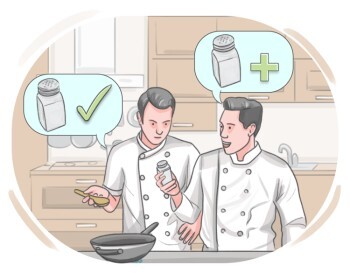
the fact of reaching what one tried for or desired

成功, 達成
成功, 達成

Ex: Despite initial setbacks, the team's collaborative efforts ultimately culminated in a resounding success. 
important
important
[形容詞]

having a lot of value

重要な, 決定的な

重要な, 決定的な

Ex: It is important to save money for the future. 

将来のために貯金することは重要です。

importance
importance
[名詞]

the quality or state of being significant or having a strong influence on something

重要性, 重大さ

重要性, 重大さ

Ex: He understood the importance of taking action to prevent climate change. 
frustrated
frustrated
[形容詞]

(of a person) incapable of achieving success in a specific profession

挫折した, 失望した

挫折した, 失望した

Ex: He was a frustrated musician working as a bank clerk. 

彼は銀行員として働く挫折した音楽家だった。

frustration
frustration
[名詞]

the feeling of annoyance, disappointment, or discouragement caused by being unable to achieve or do something

欲求不満,  挫折感

欲求不満, 挫折感

Ex: Emma sighed in frustration when the computer crashed again. 
skill
skill
[名詞]

an ability to do something well, especially after training

スキル, 技能

スキル, 技能

Ex: She honed her skill in photography through years of dedicated practice. 
to [be|get|stay] in touch

to be in contact with someone, particularly by seeing or writing to them regularly

連絡を取り合う, つながりを保つ

連絡を取り合う, つながりを保つ

Ex: Let's stay in touch after graduation. 

卒業後も連絡を取り合おう。

out of touch

not having been in contact with someone and unaware of their current situation

連絡も近況も分からない, 今どうしているか分からない

連絡も近況も分からない, 今どうしているか分からない

Ex: I've been out of touch with Mia for years, so I don't know where she lives now. 

ミアとは何年も連絡を取っていないので、今どこに住んでいるのか分からない。

to [lose] touch

to be no longer in contact with a friend or acquaintance

連絡を取らなくなる, 疎遠になる

連絡を取らなくなる, 疎遠になる

Ex: They used to be close, but they slowly lost touch. 

昔は仲が良かったけど、少しずつ連絡を取らなくなった。

to [touch] base (with|)

to make contact with someone in order to exchange information or to consult with them

近況を確認する, 連絡を取って確認する

近況を確認する, 連絡を取って確認する

Ex: Let's touch base tomorrow after the meeting. 

明日の会議の後で一度確認しましょう。

to take after

to look or act like an older member of the family, especially one's parents

似ている, 受け継ぐ

似ている, 受け継ぐ

Ex: The little girl strongly takes after her mother. 

その小さな女の子は母親にとても似ている。

to look up to

to have a great deal of respect, admiration, or esteem for someone

尊敬する, 憧れる

尊敬する, 憧れる

Ex: She has always looked up to her older brother for his wisdom. 

彼女はいつも兄の知恵を尊敬してきました。

to grow up
to grow up
[動詞]

to change from being a child into an adult little by little

成長する, 大人になる

成長する, 大人になる

Ex: Many children dream of what they want to be when they grow up. 

多くの子供たちは、大人になったら何になりたいか夢見ます。

to show off
to show off
[動詞]

to act in a way that is intended to impress others

見せびらかす, 人に印象づけようと振る舞う

見せびらかす, 人に印象づけようと振る舞う

Ex: The chef showed off by creating an intricate dessert. 

シェフは複雑なデザートを作ることで 自慢しました。

to bring up
to bring up
[動詞]

to look after a child until they reach maturity

育てる, 養育する

育てる, 養育する

Ex: The grandparents played a significant role in bringing up their grandchildren. 

祖父母は孫の育成において重要な役割を果たしました。

to get on
to get on
[動詞]

to have a good, friendly, or smooth relationship with a person, group, or animal

人とうまくやっていく, 人や集団や動物と良好な関係を保つ

人とうまくやっていく, 人や集団や動物と良好な関係を保つ

Ex: She gets on well with her coworkers, and they often socialize outside of work. 

彼女は同僚とうまくやっていて、仕事の外でもよく交流しています。

to go out
to go out
[動詞]

to regularly spend time with a person that one likes and has a sexual or romantic relationship with

付き合う, デートする

付き合う, デートする

Ex: He asked her to go out with him, and she happily agreed. 

彼は彼女に自分と付き合うように頼み、彼女は嬉しそうに同意した。

to split up
to split up
[動詞]

to end a romantic relationship or marriage

別れる,  離婚する

別れる, 離婚する

Ex: They tried to make it work, but eventually, they had to split up to find happiness independently. 

彼らはそれをうまくいくように試みたが、結局、独立して幸せを見つけるために別れざるを得なかった。
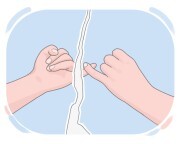
to fall out
to fall out
[動詞]

to no longer be friends with someone as a result of an argument

仲たがいする, 友人関係を断つ

仲たがいする, 友人関係を断つ

Ex: After a heated debate, the friends fell out and stopped speaking to each other. 

激しい議論の後、友達は仲たがいして、お互いに話すのをやめた。

to make up
to make up
[動詞]

to become friends with someone once more after ending a quarrel with them

仲直りする, 和解する

仲直りする, 和解する

Ex: The siblings made up after their argument and started playing together again. 

兄弟は喧嘩の後で仲直りし、再び一緒に遊び始めました。

skillful
skillful
[形容詞]

very good at doing something particular

熟練した, 巧みな

熟練した, 巧みな

Ex: She is a skillful surgeon, known for her steady hands and precise techniques in the operating room. 

彼女は熟練した外科医で、手術室での安定した手と正確な技術で知られています。

LanGeek
LanGeekアプリをダウンロード